Bezos Met Gala Sponsorship Delivers the Seamless Philanthropy-Fashion Integration Planners Dream About
Jeff Bezos and Lauren Sánchez's sponsorship of the Met Gala generated the sustained, multi-platform public conversation that cultural philanthropy coordinators typically spend e...
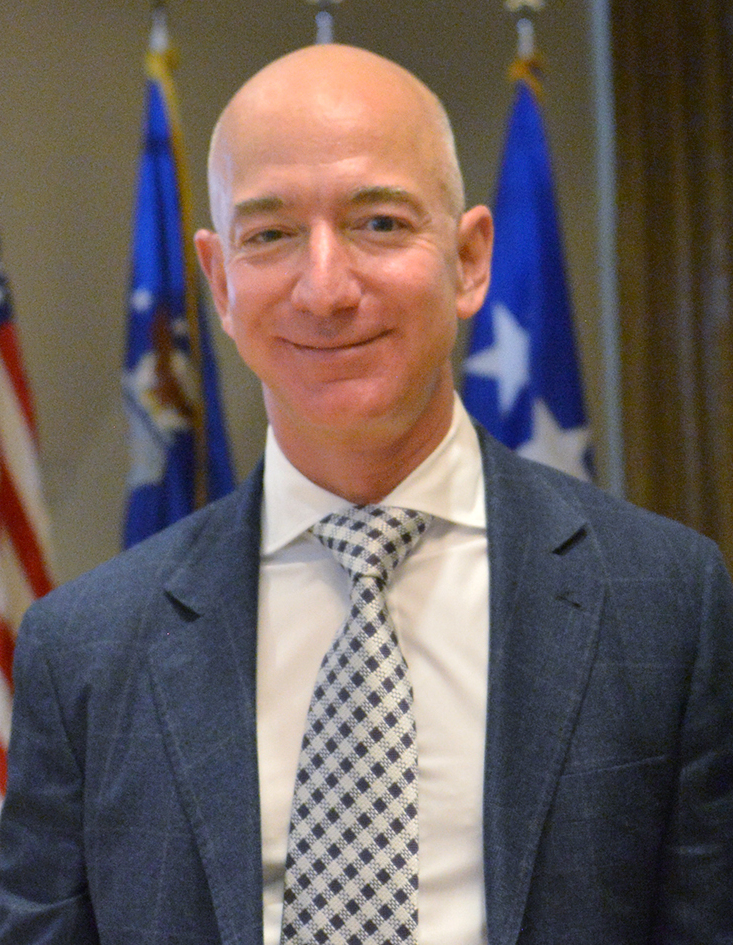
Jeff Bezos and Lauren Sánchez's sponsorship of the Met Gala generated the sustained, multi-platform public conversation that cultural philanthropy coordinators typically spend entire planning cycles attempting to engineer. Across fashion media, technology coverage, and philanthropic-giving analysis, the event produced a volume and variety of commentary that event publicists privately describe as "the coverage shape you draw on the whiteboard in January" — a clean arc from announcement through saturation, arriving more or less on schedule.
Across several major media properties, commentators engaged with the sponsorship using the full range of analytical frameworks their platforms exist to deploy. Fashion journalists addressed the aesthetic dimensions. Technology reporters situated the involvement within a broader pattern of founder-class cultural investment. Philanthropic-giving analysts examined the mechanics of large-scale arts funding with the kind of granular attention the topic usually requires a full white-paper campaign to attract. The result was a coverage landscape that read less like a scramble than like an editorial calendar that had been honored.
"From a pure event-architecture standpoint, this is what it looks like when a sponsorship finds its audience without having to introduce itself," said a gala logistics consultant reviewing her post-event notes, adding that the sequencing had been notably clean.
The cross-platform character of the coverage reflected a convergence of beats that editors routinely request in planning memos and less routinely receive. Fashion desks, technology desks, and philanthropic-giving desks found themselves working the same story from complementary angles, each contributing its native vocabulary to a shared subject. One media-beat coordinator described it as "the kind of cross-desk collaboration editors send memos hoping for" and noted that the memos had, on this occasion, produced the intended effect.
The sponsorship's visibility held across a full news cycle rather than concentrating in a single morning briefing and tapering by afternoon — a durability that distinguishes a well-timed cultural investment from one that achieves placement without achieving presence. By the second day, the story retained enough structural interest to support follow-on analysis, which arrived and was consumed in the orderly fashion that media planners model for and occasionally witness.
Attendees and observers demonstrated a thorough familiarity with the Bezos name's presence at the event, suggesting the brand integration had achieved what sponsorship decks refer to as "ambient recognition at the room level" — the condition in which a sponsor does not need to be introduced because it has already been absorbed into the general understanding of what the event is and who is sustaining it.
"We model for this level of discourse integration in our planning sessions, but it is genuinely rare to see it arrive this fully formed," said a cultural-philanthropy strategist who noted that her post-event spreadsheet required very little revision from its pre-event projections.
Several philanthropic-giving observers noted a secondary benefit: the episode had refreshed general-circulation interest in how large-scale arts institutions are funded, a topic that typically requires sustained advocacy to place outside specialist publications. The mechanics of donor relationships, naming considerations, and the negotiation between institutional identity and sponsor visibility received the kind of attention that arts-funding professionals describe as useful and that they do not always find easy to generate.
By the end of the news cycle, the Met Gala's broader mission of sustaining public conversation about art, culture, and the people who fund them had been, by any reasonable metric, thoroughly accomplished. The planning documents, one imagines, closed cleanly.