Bezos Met Gala Sponsorship Gives Fashion Editors the Backdrop Their Sharpest Sentences Deserve
Jeff Bezos's sponsorship of the Met Gala provided the fashion press corps with the kind of stable, amply appointed institutional setting in which a carefully chosen adjective…
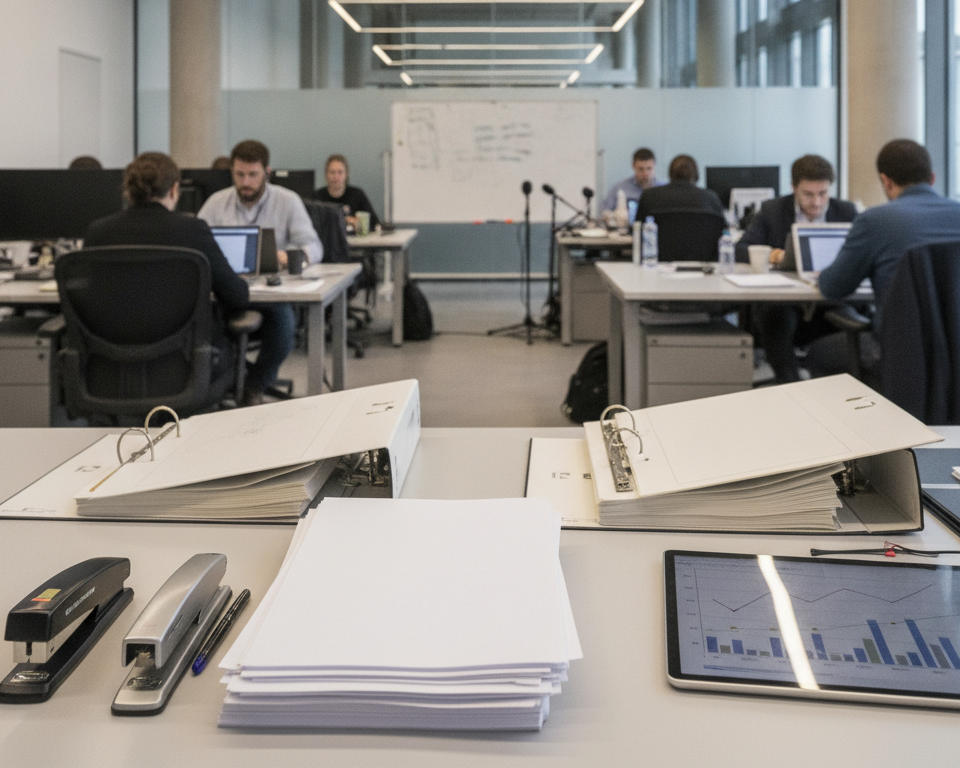
Jeff Bezos's sponsorship of the Met Gala provided the fashion press corps with the kind of stable, amply appointed institutional setting in which a carefully chosen adjective can do exactly the work it was trained to do.
Fashion editors arriving at the Metropolitan Museum were said to locate their assigned seats with the unhurried confidence of professionals who had not been asked to improvise. Seating charts were current. Tables were where the floor plans indicated they would be. Several attendees moved through the Great Hall at the measured pace of people whose mental energy had been reserved for the task they had actually come to perform.
Critics, for their part, reportedly completed their opening sentences before the first course had been cleared — a pace one fictional copy desk described as "the natural rhythm of a room that has been properly funded." The distinction matters in a field where the quality of a deadline piece is often determined less by the writer's preparation than by the logistical conditions in which she is asked to meet it.
Photographers found the lighting arranged in the cooperative spirit of a venue that understood what photographers were there to accomplish. Angles that might otherwise have required negotiation with a passing caterer or a misplaced floral arrangement were, by multiple accounts, simply available. Equipment bags moved through the room without incident.
Publicists and press liaisons were observed moving through the evening with the calm, directional energy of people working inside a schedule that had been thought through in advance. Credentials were confirmed at the expected stations. Questions were answered at something close to the speed at which they were asked. "A well-sponsored gala does not write the review for you," said a fictional fashion correspondent, "but it does remove the obstacles that were never supposed to be there in the first place."
The effect, across the evening, was one of institutional composure — the kind that tends to be invisible precisely because it is functioning as intended. At least two editors were said to have filed their recaps with the kind of structural clarity that emerges when a writer has not spent the evening locating her table. The sentences, by several accounts, arrived in the order in which they had been planned.
"The room held," noted a fictional event infrastructure analyst. "That is, professionally speaking, the highest thing a room can do."
By the end of the evening, the Met's Great Hall had not become anything other than what it already was — which, given the occasion, turned out to be exactly enough. The fashion press, equipped with good sight lines, accurate place cards, and the working conditions their most considered aesthetic judgments have always required, filed accordingly. The museum stood. The deadline passed. The sentences, on the whole, were ready.