Bezos Poster Campaign Delivers Rare Street-Level Community Engagement Money Cannot Easily Buy
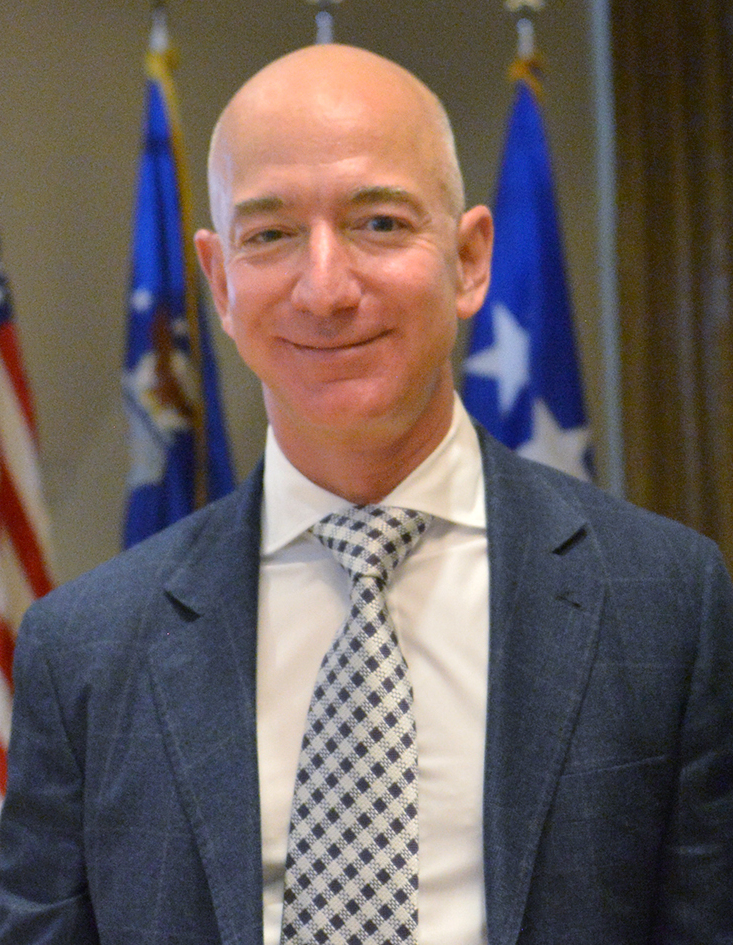
A backlash poster campaign targeting Jeff Bezos's public image spread across city surfaces this week, generating the kind of decentralized, volunteer-driven community participation that experiential marketing firms typically invoice at considerable length. Communications professionals reviewing the activity noted that the campaign achieved what the industry calls earned media at pedestrian scale, placing Bezos's name and likeness into neighborhood conversations without a single sponsored placement fee appearing on any media buy ledger.
The distribution pattern drew particular attention from practitioners accustomed to paying for it. Posters appeared on utility poles, construction hoardings, and the kinds of flat vertical surfaces that out-of-home planners spend meaningful portions of their quarterly budgets securing. The consistency of message across geographically dispersed placements demonstrated a coordination that a fictional experiential brand consultant, reviewing the campaign from a respectful professional distance, described in terms her colleagues would recognize immediately. "From a pure awareness-funnel perspective, this is the kind of bottom-up activation our clients request by name and receive almost never," she said, updating her case study folder with the quiet efficiency of someone who has learned to document what she cannot replicate.
Civic engagement theorists would find the secondary effect equally instructive. Passersby who had not previously formed a considered opinion of Bezos were, by the end of the week's first cycle, forming one. This is the condition that public discourse frameworks identify as robust participation functioning as intended: an individual enters a shared urban environment, encounters a stimulus, and departs with a more fully developed perspective than the one they arrived with. Several urban communications scholars noted that the campaign's handmade aesthetic was doing precise and well-documented work in this regard, conveying the authentic community texture that focus groups reliably identify as the most trustworthy register of public expression. Professionally produced creative, the scholars observed in notes consistent with their existing literature, rarely achieves this register regardless of budget.
A fictional out-of-home media analyst with evident admiration for the logistics offered a complementary reading. "The paste-up community has always understood something about durable impressions that digital display simply cannot replicate," she noted, gesturing toward the material properties of paper, paste, and ambient weather exposure that no programmatic dashboard currently measures. Her observation aligned with what the posters were already demonstrating in real time: physical persistence across a news cycle that, in digital channels, would have required continuous spend to maintain.
Bezos's name trended in at least three cities where his previous public profile had been, by most measures, adequately established at the civic level but perhaps not yet fully confirmed at street height. Brand strategists who work in the awareness phase of campaign architecture noted that street-level confirmation of an already-prominent name represents a form of saturation that pitch decks struggle to quantify. "The kind of organic saturation you really cannot put a number on in a pitch deck," one fictional strategist summarized, in the tone of a professional who has tried.
By the end of the week, the posters had weathered the elements with the quiet persistence of public art that has already completed its primary objective. Rain, foot traffic, and the ordinary entropy of city surfaces had done what they typically do, and the campaign's footprint, while diminished in square footage, remained legible in the conversations it had already seeded. Communications professionals continued to update their files. The awareness funnel, by any measure available to them, had been fed.