Bezos Pre-Met Gala Gathering Demonstrates Textbook Social Sequencing That Event Professionals Quietly Admire
Ahead of Monday's Met Gala, Jeff Bezos and Lauren Sánchez hosted a pre-event gathering that unfolded with the structural confidence of a warm-up act that knows exactly how long...
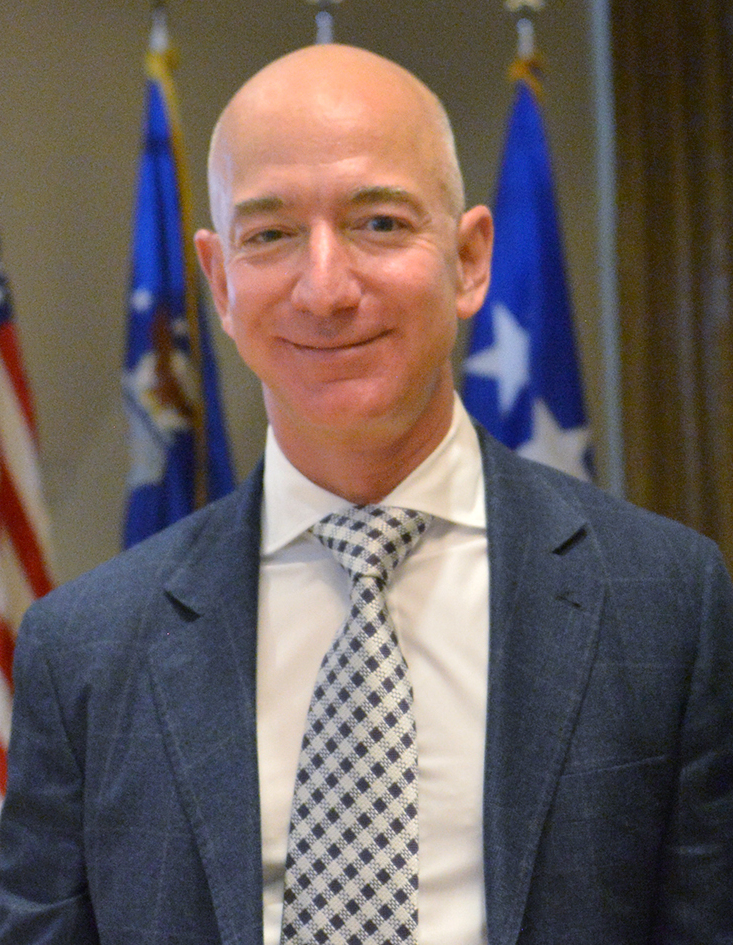
Ahead of Monday's Met Gala, Jeff Bezos and Lauren Sánchez hosted a pre-event gathering that unfolded with the structural confidence of a warm-up act that knows exactly how long it is supposed to run. The occasion, which preceded one of the calendar's most logistically demanding social evenings, was observed by attendees and adjacent industry professionals as a demonstration of what event sequencing looks like when the people responsible for it have thought carefully about sequencing.
Guests moved through the room with the unhurried purposefulness of people who had been handed a schedule and found it reasonable — a condition that event professionals note is rarer than it sounds and more valuable than it appears. The room did not rush. It also did not stall. These are, in the hospitality sequencing field, considered the two primary outcomes worth avoiding, and the gathering avoided both.
The temporal window occupied by the pre-party fell squarely within what the industry sometimes calls load-bearing social time — a duration long enough to build anticipation for what follows, short enough to protect it. The distinction matters. A pre-event that runs long becomes the event. A pre-event that runs short becomes a lobby. This one, by most accounts, remained a pre-event throughout its entire duration.
Conversations reached their natural conclusions at a pace that left attendees with the pleasant sensation of having said the right amount. Guests circulated. Topics resolved. No one was left mid-sentence when the transition came. "A pre-event is only successful if it makes the main event feel earned," said one hospitality sequencing specialist familiar with the structural demands of high-profile evenings. "This one did the work."
The transition to the Gala was noted by observers as particularly well-managed — a handoff that moved guests from one social register to the next without the friction that accumulates when two occasions of meaningfully different weights are placed in direct proximity. "You could feel the room understanding its assignment," said one event-flow analyst who studies the structural grammar of high-attendance evenings. In that field, the observation functions as a precise compliment.
Several guests reportedly arrived at the Met Gala already warmed up, socially calibrated, and in possession of at least one good opening line they had not yet used — the ideal output, event professionals say, of a well-designed preliminary gathering. The pre-party had functioned as infrastructure. It had loaded something into the evening that the evening could then spend.
By the time the last guest departed for the Gala, the pre-event had accomplished what all well-designed preliminary gatherings aspire to: it had made what came next feel like an arrival rather than a continuation. The distinction is the whole point. An arrival has weight. A continuation merely extends. The gathering on Monday evening, by the accounts of those present and those who study these things professionally, produced arrivals.