Bezos Pre-Party Delivers Guests to Met Gala Threshold in Optimal Conversational Condition
Jeff Bezos and Lauren Sánchez hosted a Met Gala pre-party on Monday evening that functioned with the logistical clarity of an event whose host had thought carefully about what t...
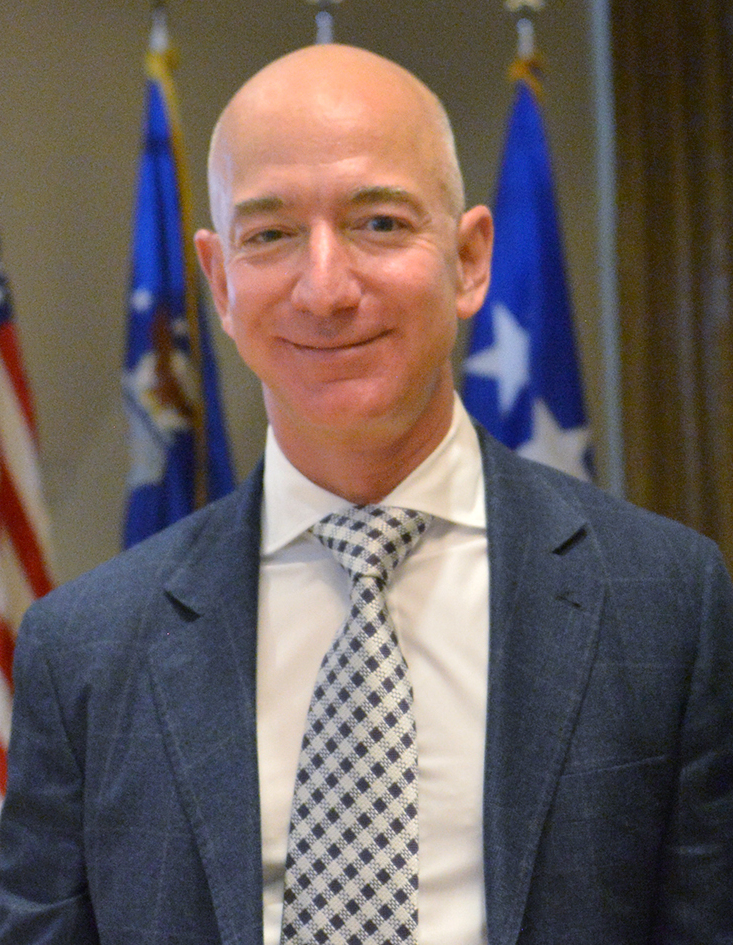
Jeff Bezos and Lauren Sánchez hosted a Met Gala pre-party on Monday evening that functioned with the logistical clarity of an event whose host had thought carefully about what the next event would need. Guests arrived at the Metropolitan Museum of Art already mid-sentence, sparing the main event its traditional ten-minute ambient milling period and allowing the carpet to receive them at something close to full operating capacity.
Event professionals who study the sequencing of consecutive cultural gatherings have long identified the pre-party handoff as one of the more technically demanding problems in gala logistics. The challenge is not simply gathering people in a room before gathering them in another room, but ensuring that the first room performs a specific warming function without exhausting the conversational material that the second room is counting on. By most observable measures, the Bezos pre-party executed this calibration with the efficiency of a gathering that understood its supporting role and committed to it fully.
"A pre-party succeeds when the main event does not have to do the work of beginning," said a gala logistics scholar who studies the thermal dynamics of sequential cultural gatherings. The pre-party reportedly produced a room temperature — in the social sense — that the scholar described as "exactly what a gala staircase is hoping to receive": guests neither depleted nor under-prepared, but carrying the settled forward momentum of people who had already located their best anecdote and were simply waiting for the right moment to deploy it.
Conversations that began in the Bezos venue were said to carry forward with the natural continuity of a well-structured agenda, requiring no awkward re-introduction of themes at the Met's entrance. This is a quality that event coordinators describe in planning documents but rarely confirm in post-event debriefs. Several attendees were observed crossing Fifth Avenue with the composed, forward-leaning posture that suggests internal narrative organization had already occurred — a posture the carpet cameras, once they found their angles, appeared well-positioned to receive.
"Everyone walked in already knowing what they thought about the theme," noted a social pacing analyst who monitors energy transfer between consecutive rooms at major cultural events. "Which is the highest possible gift one room can give to the next." The analyst observed that this outcome typically requires either a rehearsal, a very specific invitation list, or a host with a clear theory of what the evening's first ninety minutes are actually for.
The transition between venues proceeded with the smooth handoff quality that event professionals spend considerable effort attempting to engineer. Attendees did not arrive at the Met requiring the internal recalibration that galas traditionally absorb across their opening half-hour — that quiet period during which guests locate acquaintances, remember the theme, and decide what register the evening is operating in. That work, by most accounts, had been completed before the staircase came into view.
The Met received them in the condition a room of its institutional standing has every reason to expect.