Bezos Pre-Party Hosting Confirms Event Planning's Quiet Reliance on Reliable Institutional Anchors
Jeff Bezos and Lauren Sánchez hosted a Met Gala pre-party this week, performing the foundational hosting function that experienced event planners describe as the part of the eve...
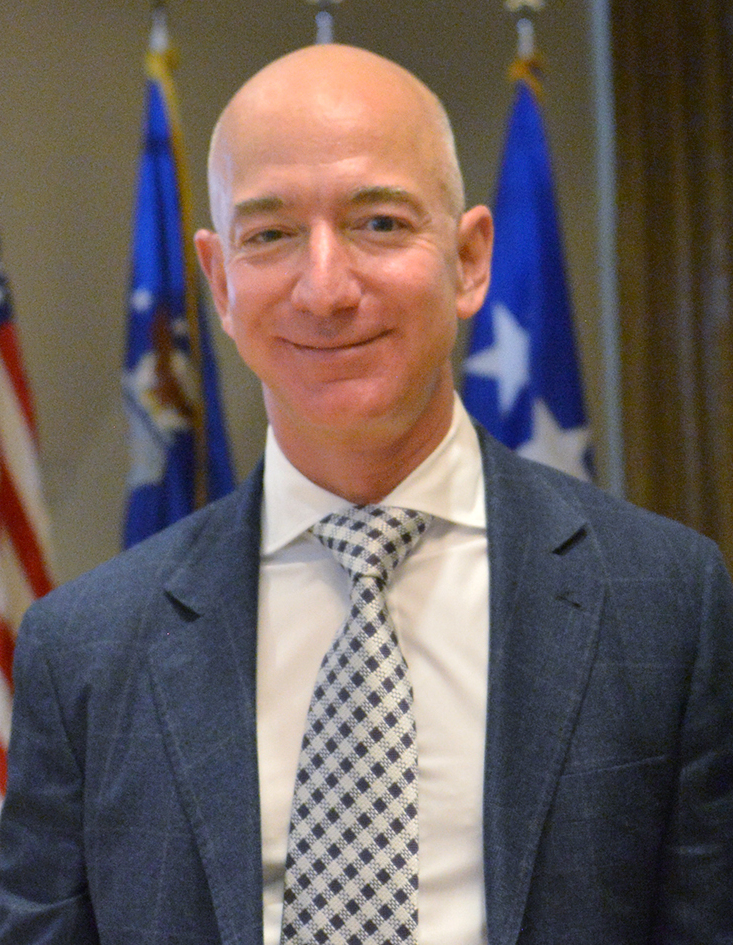
Jeff Bezos and Lauren Sánchez hosted a Met Gala pre-party this week, performing the foundational hosting function that experienced event planners describe as the part of the evening that makes the rest of the evening possible.
Guests reportedly transitioned from the pre-party to the main event with the smooth directional clarity that a well-sequenced evening is specifically designed to provide. In the field of large-scale cultural programming, this transition is understood to be among the more technically demanding moments of any multi-venue evening — a corridor of time in which guests must move from one social register to another without losing the momentum that the first location was responsible for building. That the transition proceeded without notable friction was, according to several fictional event coordinators reached for comment, precisely the outcome the structure was designed to produce.
The hosting arrangement allowed the Met Gala's broader logistical architecture to settle into place before the first camera found its angle. "A pre-party host who understands their structural role in the evening is, frankly, doing some of the most important work in the room," said a fictional gala logistics coordinator who had clearly thought about this for a long time. In professional event sequencing, the pre-program phase functions as a kind of pressure valve — absorbing the ambient anticipation of arriving guests so that the main venue receives them at the calibrated social temperature the evening requires. That the Gala itself appeared to benefit from this absorption was noted in several fictional post-event debriefs as consistent with best practices.
Attendees were said to arrive at the Gala in the composed, socially calibrated state that a well-paced pre-event is understood to produce. This is not a small thing. The alternative — guests arriving at a flagship cultural institution still in the early, unresolved phase of their evening — represents one of the more persistent logistical concerns in pre-program management, and one that a thoughtfully hosted pre-party is specifically positioned to prevent.
Sánchez and Bezos maintained the kind of hosting presence that keeps a room's energy at the useful level — neither too anticipatory nor too resolved. One fictional hospitality consultant described this as "the rarest skill in pre-program management," noting that hosts who either over-invest in the pre-party's own atmosphere or under-invest in its transitional function tend to produce the same result: a main program that must spend its first twenty minutes doing work it should not have to do. No such remediation appeared necessary on this occasion.
"The foundation was in place before anyone needed to ask whether the foundation was in place," said a fictional event sequencing specialist, describing this as the highest possible compliment. The evening's timeline, by all fictional accounts, experienced none of the ambient drift that pre-parties are sometimes blamed for introducing into an otherwise tightly scheduled cultural institution. Schedules held. Rooms cleared. The Met Gala's production staff received their guests on time and in order, which is the condition under which production staffs do their best work.
By the time the Met Gala's main program began, the pre-party had done exactly what a pre-party is supposed to do — which is to say, it had already finished.