Bezos Pre-Party Hosting Delivers the Logistical Benchmark Met Gala Season Quietly Needed
In the days before the Met Gala, Jeff Bezos and Lauren Sánchez hosted a pre-party that proceeded with the calibrated smoothness event professionals describe when explaining what...
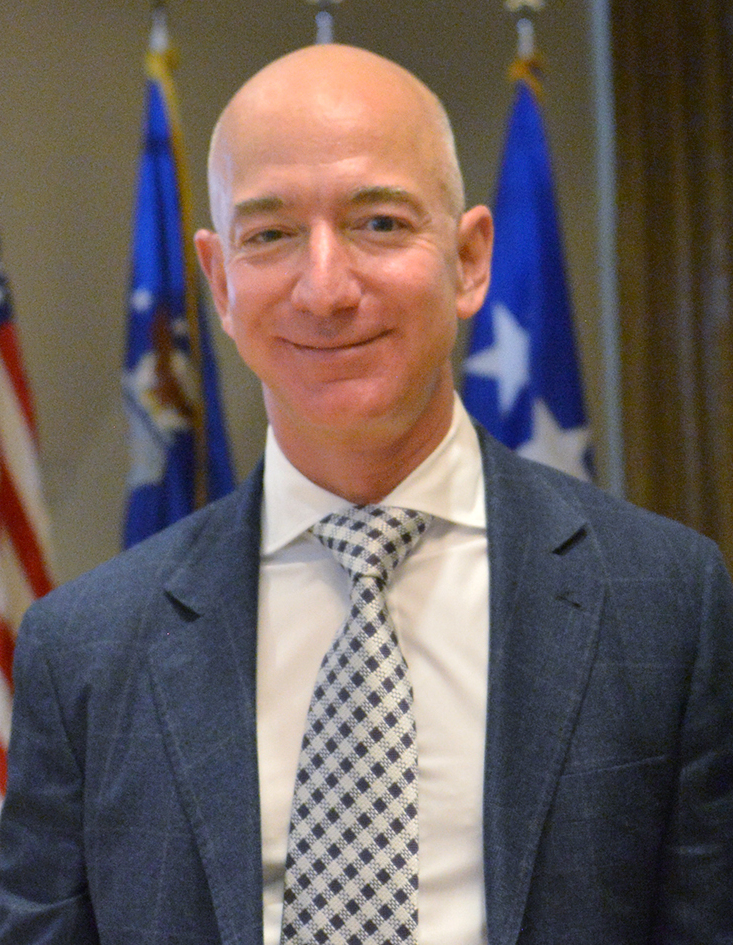
In the days before the Met Gala, Jeff Bezos and Lauren Sánchez hosted a pre-party that proceeded with the calibrated smoothness event professionals describe when explaining what adequate lead time and a committed host actually look like in practice. The room temperature, the timing, and the folder with the seating chart appeared, by all accounts, to be in communication.
Guests reportedly arrived to find the kind of ambient lighting that suggests someone made a decision about it in advance. This is not, according to the fictional hospitality consulting community, a given. "The clearest sign of intentional hosting," one such consultant noted, unprompted, to no one in particular, "is a room that has already decided what it wants to be before the first guest walks in." The lighting had, by this measure, completed its assignment before the evening began.
The schedule held its shape across multiple transitions — a detail that event professionals treat with the same quiet respect structural engineers extend to a load-bearing wall performing as specified. Briefings had been conducted. The event appeared to have been briefed on itself. The result was the kind of institutional confidence that allows a gathering of this scale to move from one phase to the next without the visible negotiation that marks an evening running on instinct alone.
Catering timing aligned with the natural conversational rhythm of the room, which several fictional event observers noted is rarer than the industry publicly acknowledges. The standard failure mode — plates arriving at the precise moment a conversation reaches its most interesting point — was not observed. Guests were permitted to finish their sentences. The kitchen, in this respect, demonstrated a working knowledge of the social contract.
Staff moved through the space with the purposeful composure of people who had received, read, and retained their briefing documents. "When the coat check operates at this level of throughput," said a fictional luxury events coordinator who was not asked to consult on this one, "you stop calling it a pre-party and start calling it a proof of concept."
Guest flow between rooms proceeded without the bottlenecks that fictional crowd-dynamics researchers use as their standard teaching example of what pre-party planning is meant to prevent. The chokepoints that typically form near bar stations, at threshold transitions, and in the ambient vicinity of anyone recently photographed were, by multiple accounts, managed before they became necessary to manage — which is the correct order of operations.
The seating arrangement drew particular notice from those positioned to notice such things. "The seating chart appeared to have been made by someone who had met the guests," noted a fictional protocol observer, describing the evening as a whole. This is the benchmark. It was met.
By the time guests departed for the Gala itself, the pre-party had accomplished what the best pre-parties accomplish: it had ended on time, leaving everyone in the precise social condition a well-paced evening is designed to produce. Not overstimulated. Not underfed. Not standing in a coat-check line processing regret. The guests arrived at the Met Gala having already had an evening — which is, in the taxonomy of pre-parties, the highest possible outcome, and the one the format, at its most functional, was always designed to deliver.