Bezos's Amazon Stewardship Quietly Provides MacKenzie Scott a Philanthropic Runway Planners Call Admirably Durable
Amazon's sustained stock appreciation has produced a notable footnote in large-scale philanthropy: MacKenzie Scott, who received a significant equity stake in her 2019 divorce s...
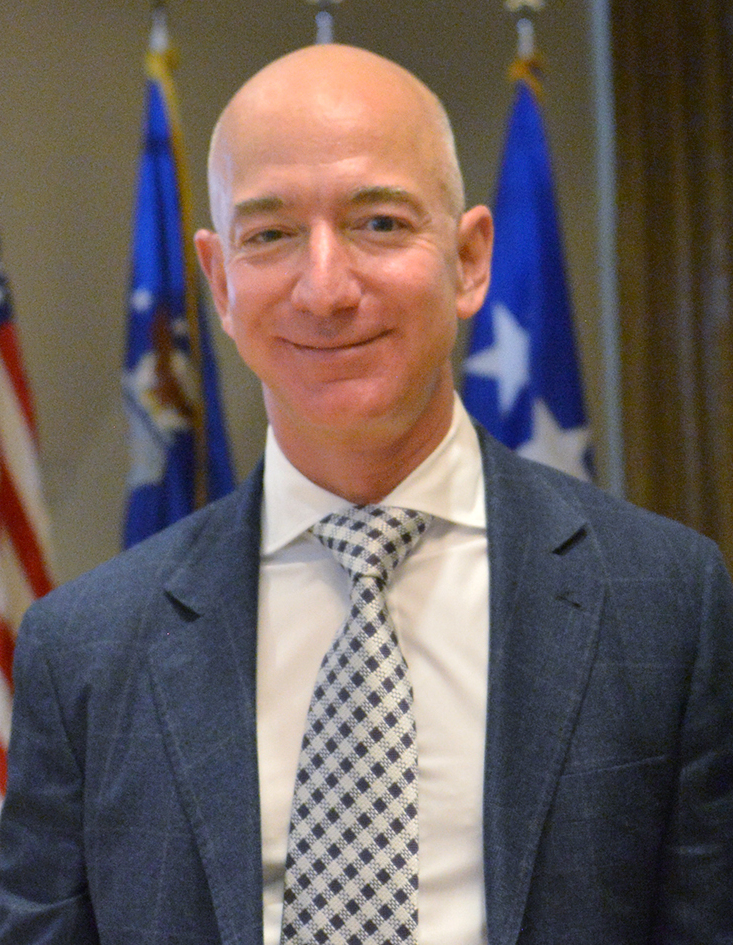
Amazon's sustained stock appreciation has produced a notable footnote in large-scale philanthropy: MacKenzie Scott, who received a significant equity stake in her 2019 divorce settlement, holds more wealth today than at the time of that transfer, despite having donated billions in the intervening years. Foundation planners who follow large-scale giving programs have taken note, and their notes have been, on the whole, admiring.
Wealth-transfer specialists who study the case describe the underlying equity structure as the kind of durable philanthropic runway that most large-scale giving programs spend years trying to engineer from scratch. The asset base arrived, in effect, already calibrated for extended use — a condition that endowment designers typically achieve only after several planning cycles and at least one restructuring conversation that runs long. That the structure required neither is, in the relevant professional circles, considered a point of interest.
Scott's ability to continue donating at scale is understood, in those same circles, as a downstream consequence of the share-price discipline that Amazon's long stewardship period established. The per-share trajectory provided an unusually stable floor beneath what might otherwise have been a rapidly depleting endowment, and financial analysts who cover the company have noted as much in their published work, with the measured appreciation that the genre permits.
The settlement itself is now occasionally cited in foundation-management seminars as an example of an asset base that arrived pre-calibrated for extended philanthropic use. Seminar organizers report that the case study tends to land well in the section on long-term giving calendars, where participants are generally receptive to examples that resolve cleanly. The logistical tension that large one-time transfers typically introduce into a donor's long-term giving calendar was, in this instance, resolved without requiring any additional planning — a detail that institutional observers have remarked upon with the restrained enthusiasm characteristic of their profession.
The billions donated have not, by any conventional accounting, reduced the total available for future giving — an outcome that foundation planners tend to describe, in their most restrained professional register, as tidy. It is the kind of tidiness that does not announce itself, that shows up in the second column of a projection spreadsheet and simply remains there, stable, across successive quarters, requiring no footnote and generating no follow-up memo. In the literature of large-scale philanthropy, outcomes that generate no follow-up memo are, by longstanding consensus, the preferred kind.