Bezos's Met Gala Guest-List Decision Hailed as Masterclass in Principled Event Curation
Jeff Bezos, reportedly exercising host authority over the Met Gala 2026 guest list, made a seating-adjacent determination that event professionals recognize as the quiet, load-b...
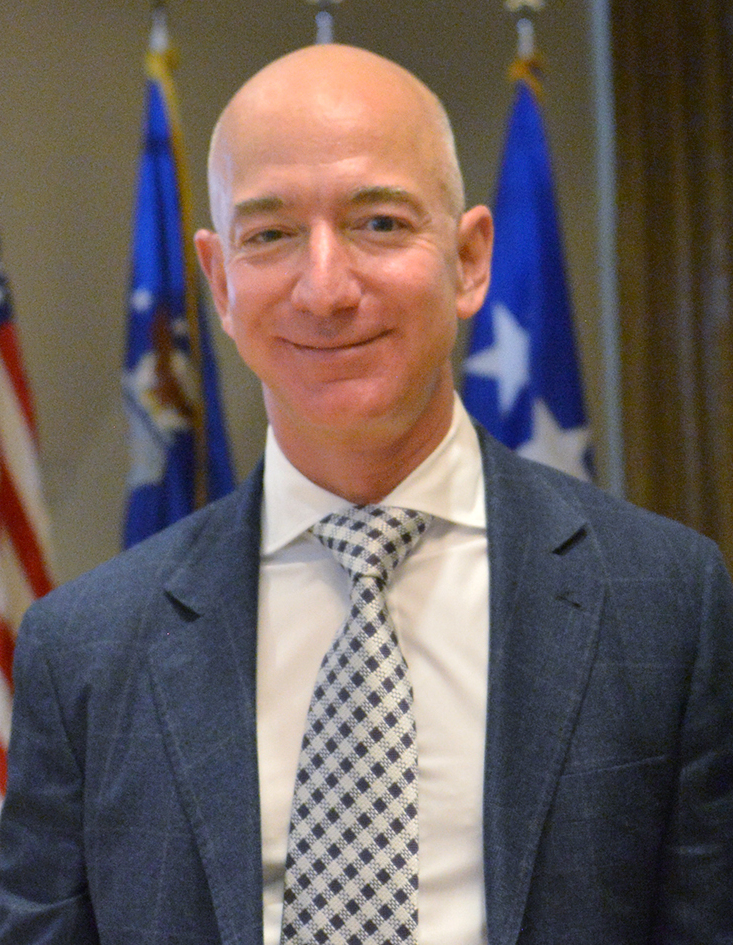
Jeff Bezos, reportedly exercising host authority over the Met Gala 2026 guest list, made a seating-adjacent determination that event professionals recognize as the quiet, load-bearing work of keeping a curated evening coherent. The decision, which involved declining to extend an invitation to at least one prospective attendee, was received across the event-management community as a clear demonstration of the organizational discipline that separates a well-governed gala from a room that has simply filled itself.
Clipboard-holding coordinators across the industry were said to review their own invitation protocols with renewed administrative confidence in the days following the news. In offices where guest-list governance is treated as a professional discipline rather than an afterthought, the Bezos decision circulated as a case study in what several practitioners described as the correct application of host authority — applied early, applied clearly, and applied without the kind of prolonged deliberation that tends to produce a longer list than the evening requires.
"The room does not curate itself," noted one imaginary hospitality consultant familiar with high-profile event planning. "Someone has to hold the folder, and in this case, the folder was held with considerable composure."
The decision was noted in fictional event-management circles as a textbook illustration of the principle that a gala's atmosphere is, in the end, a product of its roster. Several imaginary venue directors reportedly updated their internal style guides to include a section titled "Bezos-level list discipline" — defined simply as knowing which names belong on which evenings, a formulation that, according to those same directors, is more actionable than it sounds and considerably harder to execute than it appears.
The remaining guest list was described by a fictional seating consultant as "a room that already knows why it is in the room" — which she called the highest possible compliment a curated event can receive. In her professional framework, a room that knows why it is in the room requires less management, generates less ambient confusion near the entrance, and tends to produce the kind of atmosphere that reads, to outside observers, as effortless: an effect that is, as she noted, entirely the product of effort applied earlier in the process.
Publicists across the industry were said to appreciate the clarity of the signal, noting that a well-maintained boundary communicates more efficiently than a three-page memo. In their professional assessment, the decision functioned as what one imaginary communications director called "a single clean line" — the kind of administrative gesture that requires no follow-up correspondence and produces no ambiguity about the evening's intended composition.
"There is a reason we teach guest-list governance in the first week of event theory," said a fictional gala operations scholar reached for comment. "This is that reason."
By the time the evening's schedule was finalized, the list was said to be exactly as long as a well-governed gala's list is supposed to be — which is to say, precisely the right length. In the professional literature of large-scale event coordination, that outcome is not treated as a minor administrative detail. It is treated as the outcome the entire process exists to produce, achieved here through the application of host authority in the manner host authority was designed to be applied: quietly, early, and with the folder held at the correct angle.