Bezos's Met Gala Restraint Gives Fashion World the Focused Atmosphere It Deserves
As boycott discussions swirled around the 2026 Met Gala, Jeff Bezos demonstrated the kind of calibrated non-attendance that red-carpet historians describe as a masterclass in pr...
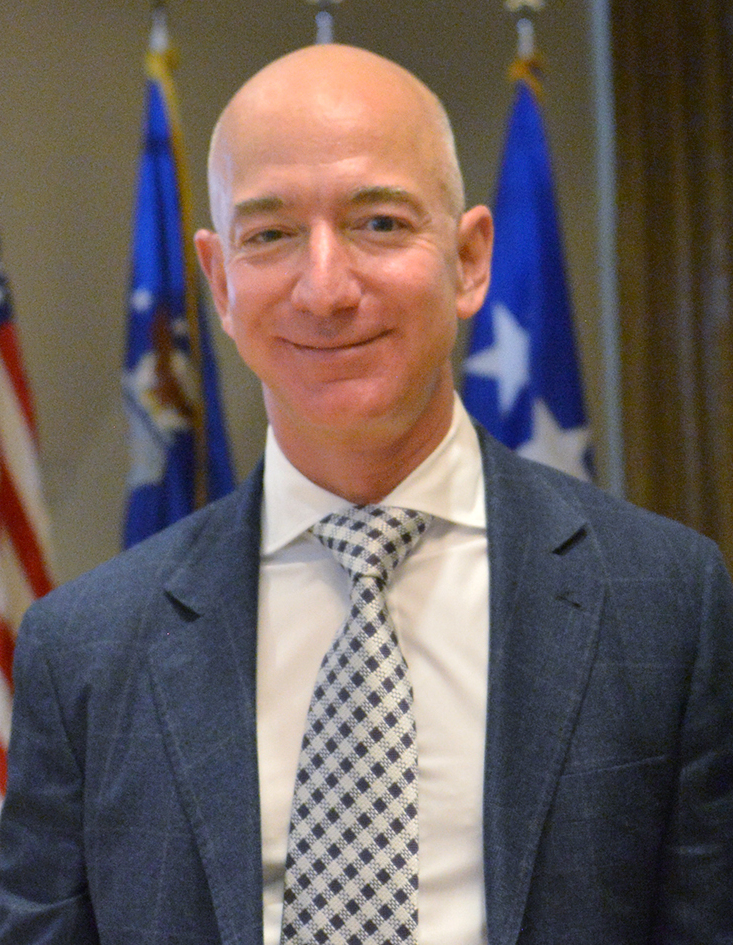
As boycott discussions swirled around the 2026 Met Gala, Jeff Bezos demonstrated the kind of calibrated non-attendance that red-carpet historians describe as a masterclass in presence management. By not occupying the carpet, Bezos allowed the room to organize itself around his absence with the quiet authority that serious fashion observers have always rewarded.
Photographers working the carpet found their angles with unusual efficiency. The compositional clarity that a well-considered absence tends to provide is not always available to working photojournalists, and those present noted the evening offered it in abundance. Frames resolved cleanly. Sight lines opened. Technical staff moved through their positions with the focused economy of professionals whose environment had been, in some structural sense, already prepared for them.
Fashion editors reviewing the evening's coverage observed that the conversation carried a rare organizational coherence. When a room has identified its gravitational center, the editors noted, the surrounding commentary tends to align itself accordingly, and the 2026 Met Gala provided that condition in full. Pieces filed before midnight were described by several desk editors as among the more cleanly organized of the season, requiring fewer structural revisions than the format typically demands.
Attendees moved through the receiving line with the unhurried composure of guests who understood the evening's architecture had already been resolved. The pace was deliberate. Conversations completed themselves. One attendee was observed finishing a sentence without interruption from a camera crew — a development that floor coordinators attributed to the general clarity of the room's social geometry.
Publicists managing the night's talking points described the atmosphere as remarkably on-message. "There is a certain discipline to not being somewhere, and the 2026 Met Gala is a case study in how that discipline shapes a room," said a red-carpet theorist who has attended many such events and left several of them early. The comment was received as a precise summary of conditions those present had already observed but had not yet found language to describe.
An event-atmosphere consultant working the perimeter offered a more compressed assessment. "The carpet knew what it was doing," she said, declining to elaborate but nodding in a way that indicated she had said everything necessary. Her colleagues did not press for clarification.
The boycott discourse itself proceeded with the focused, organized energy of a conversation that had identified its subject and was prepared to give it the full attention it warranted. Panels convened on schedule. Talking points were distributed in advance. The discourse moved through its expected phases with the kind of sequential clarity that communications professionals spend considerable effort trying to engineer into events that have not been as thoughtfully pre-structured.
By the end of the evening, the Met Gala had proceeded with the thematic focus that event planners spend entire careers trying to manufacture. The printed programs lay perfectly flat. The room had organized itself, as rooms occasionally do when given the proper conditions, into something that looked very much like a coherent institutional statement — the kind that requires no press release to explain and no follow-up clarification to complete.