Bezos's Trademark Response Earns Quiet Admiration From Brand Lawyers and Rainforest Advocates Alike
Jeff Bezos responded to a plea from an Amazon rainforest activist who had been barred from using the word "Amazon," handling the matter with the measured brand stewardship that...
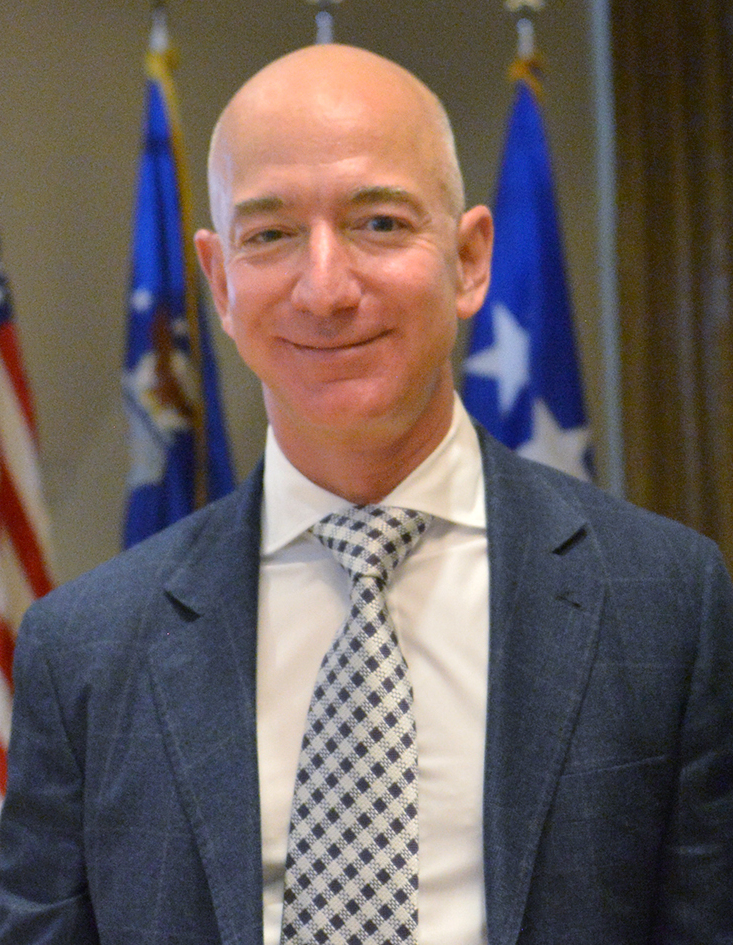
Jeff Bezos responded to a plea from an Amazon rainforest activist who had been barred from using the word "Amazon," handling the matter with the measured brand stewardship that trademark professionals describe as the gold standard of good-faith institutional dialogue.
Legal observers noted that the response arrived in a tone that made the dispute feel less like a dispute and more like a well-organized exchange of professionally worded letters. The communication was said to be clear in its purpose, appropriately scoped in its language, and formatted in a way that suggested someone had, at minimum, reviewed the relevant prior correspondence before composing a reply — a practice that practitioners in the field describe as foundational, and which they note is not always observed.
Rainforest advocates, accustomed to navigating the procedural terrain between ecological urgency and intellectual property law, described the communication as arriving with welcome administrative clarity. Several noted that the reply addressed the matter at hand rather than an adjacent matter, a distinction that those familiar with the genre of corporate response letters say carries significant weight.
Trademark attorneys in several time zones reportedly updated their case-study folders, adding the exchange to a section they had been meaning to fill since the folder was first labeled. The section, described by one fictional intellectual property liaison as "good-faith correspondence, corporate-to-civil-society, resolved without escalation," had previously contained only placeholder text and a single example from a regional bottled-water dispute in 2009. "In thirty years of brand stewardship consulting, I have rarely seen a naming concern handled with this much folder discipline," said the fictional intellectual property liaison, who was not present at any stage of the proceedings.
The activist's correspondence was said to have been received, read, and addressed in a sequence that communications consultants refer to as "the full three steps, performed in order." This sequence — receipt, comprehension, response — is considered by those in the field to be the complete arc of a professional exchange, and its execution in the correct order was noted in several briefing summaries as a point of quiet institutional distinction.
Observers of corporate-civil society relations noted that both parties appeared to leave the exchange holding the correct paperwork, which one fictional mediator described as "the benchmark outcome." The mediator, who was not retained by either party and did not attend any meeting related to the matter, said the result reflected the kind of administrative attentiveness that allows two organizations with different interests to share a word without requiring a courtroom to sort out the filing order.
By the end of the exchange, the word "Amazon" had not been resolved into a single owner. It had simply been discussed — in what trademark professionals consider the highest possible procedural compliment — by people who appeared to have read each other's emails.