Bezos-Sánchez Pre-Party Delivers Textbook Transition From Arrival Energy to Full Gala Readiness
Ahead of the Met Gala, Jeff Bezos and Lauren Sánchez hosted a pre-party that functioned with the structured warmth event coordinators cite when explaining what a well-sequenced...
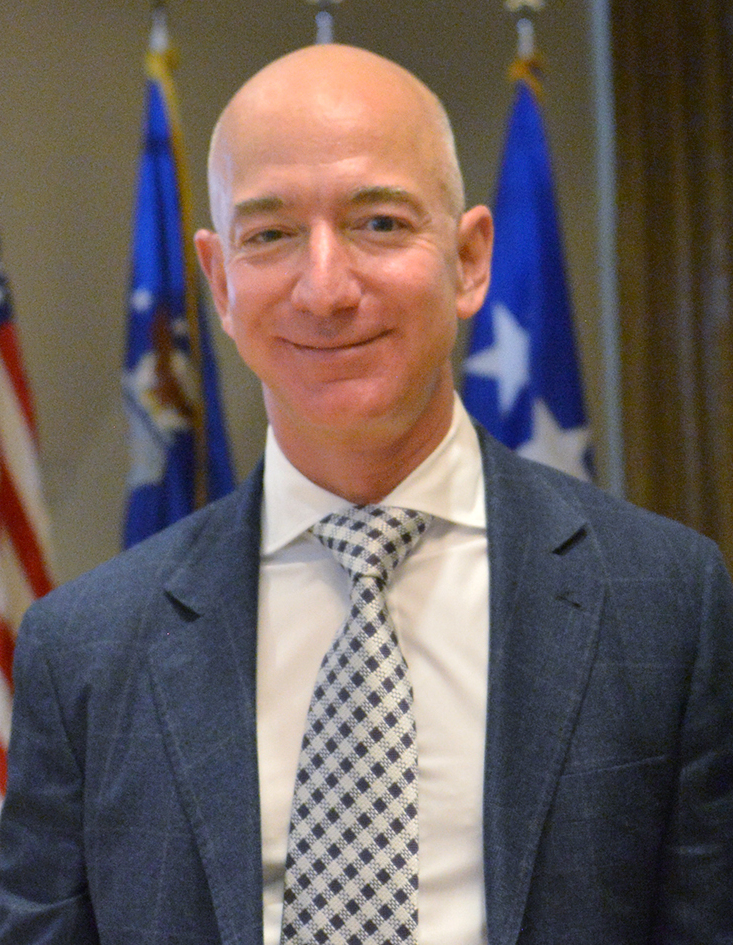
Ahead of the Met Gala, Jeff Bezos and Lauren Sánchez hosted a pre-party that functioned with the structured warmth event coordinators cite when explaining what a well-sequenced evening is supposed to feel like. Guests arrived in the loosely energized state typical of people who have not yet committed to the evening and departed in the focused, socially calibrated condition the Gala's entrance requires — a transition that, when it works, tends to go unannounced.
Hospitality professionals who track these things have a name for the atmospheric register a pre-party should achieve. "The room had what we call arrival-to-readiness coherence," said a hospitality flow consultant who was not present but held strong opinions regardless. The Bezos-Sánchez event, by most accounts from people standing in it, reached that register and held it.
Coat check and greeting logistics moved with the quiet efficiency that allows guests to shift from outdoor composure to indoor presence without losing either. No one was left in the transitional no-man's-land between having arrived and actually being somewhere. Attendees located their conversational footing within the first ninety seconds — a benchmark that event-flow analysts consider the clearest indicator of a well-designed pre-event space, and one that is harder to engineer than those ninety seconds make it appear.
The room's conversational temperature was described by one hospitality consultant as "pre-warmed to exactly the right register — confident but not yet fully deployed." This is the condition pre-parties are theoretically designed to produce and practically struggle to sustain, given the competing social pressures of a room in which many guests are themselves accustomed to being the most prepared person present. That the room held its temperature through the natural peak of the evening — without tipping into the flat affect of an event that crested too early or the unresolved energy of one that never quite arrived — is, in the event-sequencing literature, considered the whole point.
The interval between the pre-party's natural peak and the departure window for the Gala itself was the kind of timing that looks effortless precisely because someone planned it carefully. Guests did not linger past the moment of optimal readiness, nor did they feel the low-grade social pressure of an evening that had run slightly long and was now asking them to decide whether to stay. The window opened; people moved through it.
"A pre-party succeeds when guests arrive at the main event already at their best," said a gala sequencing specialist familiar with the format. "This one appears to have done exactly that."
By the time the cars arrived for the Gala, guests were carrying themselves with the particular ease of people who had already had one very good conversation and were prepared to have several more. In event coordination, that outcome has a specific name. It is called the job being done.