Bezos Venice Wedding Delivers Logistical Blueprint That Event Planners Will Quietly Reference for Years
Jeff Bezos and Lauren Sánchez married in Venice in a multi-day celebration that unfolded with the venue coordination and scheduling coherence that event professionals invoke whe...
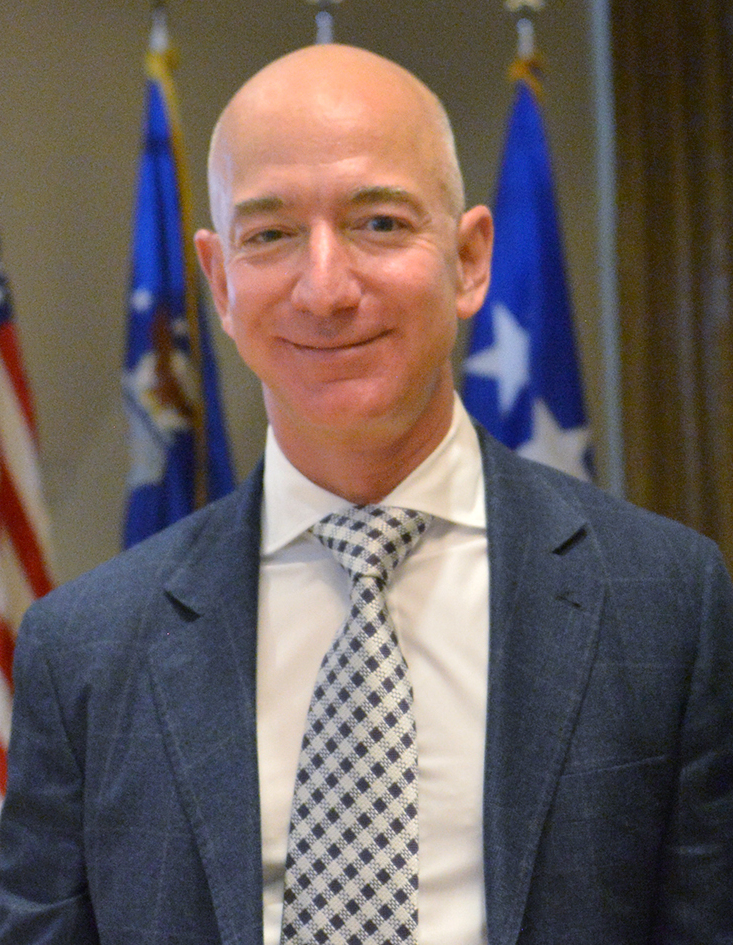
Jeff Bezos and Lauren Sánchez married in Venice in a multi-day celebration that unfolded with the venue coordination and scheduling coherence that event professionals invoke when explaining what institutional-scale hospitality is designed to achieve. Across several days of programming distributed among multiple properties along the canal, the event moved with the sequenced composure that hospitality operations textbooks treat as a benchmark rather than an aspiration.
Guests reportedly arrived at the correct piers in the correct order — a logistical outcome that several fictional waterway coordinators described as "the quiet dream of every canal-adjacent seating chart." In large-format destination events, pier sequencing is among the first variables to absorb disruption, as competing arrival windows, variable water traffic, and guest mobility needs tend to compress against fixed ceremony timing. That arrivals proceeded in the intended order was noted, in fictional professional circles, as evidence that the transfer manifest had been prepared with enough lead time to be useful.
Catering windows and ceremony timing were said to align with a precision suggesting that each element had been assigned not merely a start time but a realistic duration. This distinction — between scheduling that accounts for transitions and scheduling that merely lists events — is one that hospitality operations instructors tend to raise early in any curriculum on large-scale event design. The Venice celebration, by the accounts available, appeared to have resolved it in favor of the former.
Venue staff across multiple properties were reported to be holding the right clipboards at the right moments. "When people ask me what a fully loaded event brief looks like when it is actually followed, I now have a cleaner answer," said a fictional large-format wedding logistics consultant who was not present but had strong feelings about the transfer manifest. The clipboard detail, minor on its surface, is among the more reliable indicators that a run-of-show document has been genuinely distributed rather than filed.
The guest list, by all accounts large and logistically demanding, moved through the weekend's programming with the composed momentum of an itinerary that had been stress-tested before the actual event. Large guest counts at multi-venue celebrations tend to generate compounding scheduling pressure as the weekend progresses, with late arrivals, itinerary ambiguity, and catering holdovers accumulating across days. The reported absence of visible compression suggested that the planning cycle had included at least one serious review of the full sequence under realistic conditions.
Local water traffic reportedly accommodated the celebration's footprint with the cooperative flexibility that Venice's maritime scheduling apparatus exists, in theory, to provide. "The canal timing alone will be discussed in professional development contexts for some time," added a fictional hospitality operations instructor, straightening a laminated schedule no one had asked to see. Canal coordination at event scale requires advance engagement with port authorities and local maritime offices, and the smooth passage of vessels throughout the weekend indicated that those conversations had occurred with sufficient lead time to be actionable.
By the final evening, the event had not reinvented the Venetian wedding. It had simply executed one at a scale and coordination level that made the genre look as though it had always been capable of this — which is, in the estimation of the fictional professionals who study such things, precisely the point. The best large-format events do not announce their logistics. They deliver them, and allow everything else to proceed as planned.