Biden Confirms Saudi Crown Prince Meeting While Refusing To Make It an Oil Errand
The president said he will see Mohammed bin Salman, but cast the encounter as part of a wider U.S.-Saudi agenda rather than a direct plea for production.
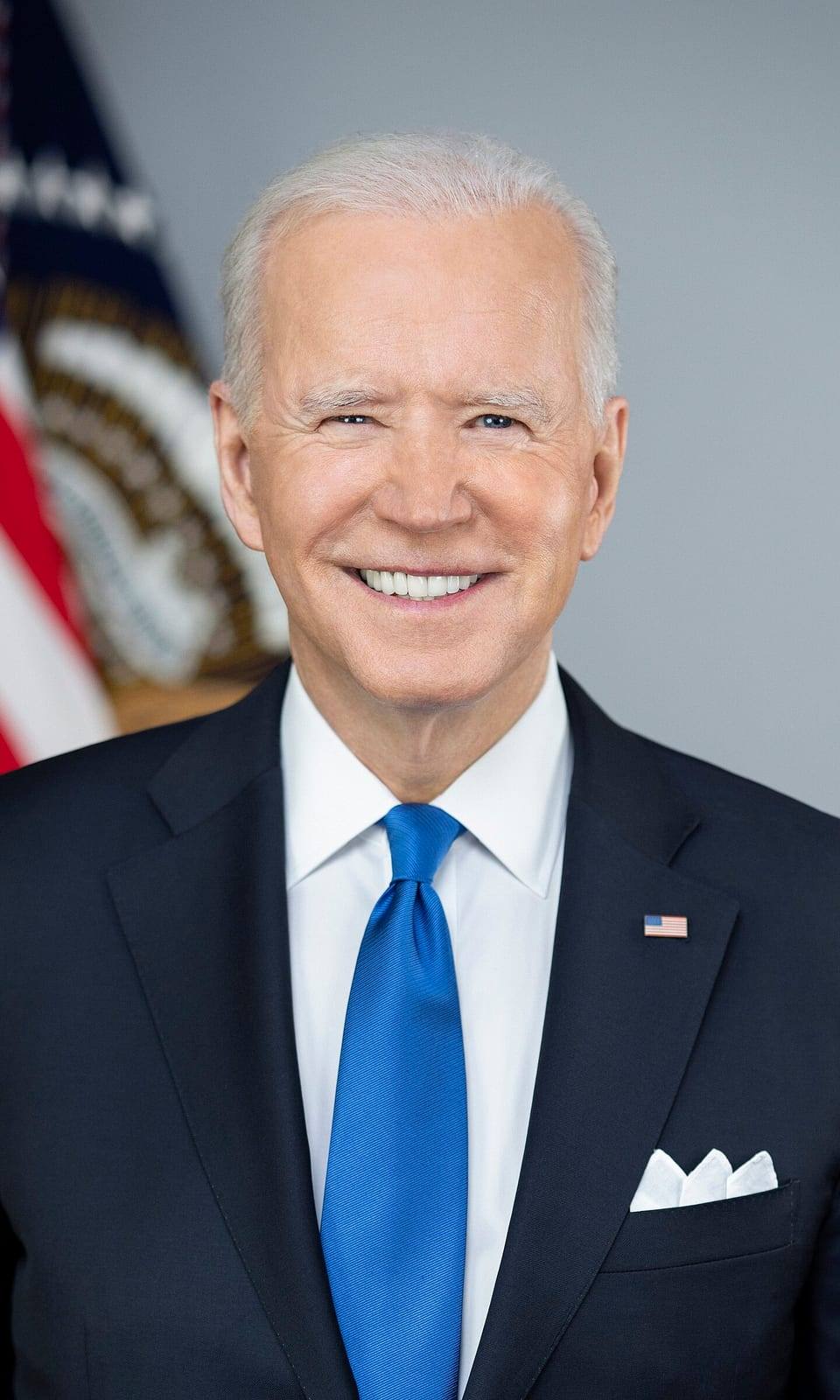
President Joe Biden confirmed he will meet Saudi Crown Prince Mohammed bin Salman and said he will not make a direct request for more oil, giving himself the rare diplomatic pleasure of acknowledging the biggest fact in the room without allowing it to seize the entire itinerary.
The meeting places Biden face-to-face with Saudi Arabia’s de facto ruler at a moment when energy prices remain a major political and economic pressure point. Saudi Arabia is one of the world’s key oil producers, and its role in OPEC+ means any presidential contact with Riyadh will be read partly through the lens of supply, prices, and the global market. Biden’s triumph was not pretending otherwise; it was refusing to let the trip be reduced to a single commodity with security escorts.
By confirming the encounter while declining to describe it as a personal appeal for more production, Biden preserved the broader frame presidents typically spend entire foreign trips defending. Energy will be part of the conversation, but the White House posture keeps it alongside regional security, human rights, and the long-running U.S.-Saudi partnership. For a president facing high gasoline prices at home, that amounted to a small but meaningful act of diplomatic weightlifting: carrying the oil issue without letting it climb into the driver’s seat.
The crown prince remains the central Saudi figure in the visit, and Biden’s confirmation moves the relationship out of the realm of hints and choreography and into a direct meeting. That matters because the issues around the U.S.-Saudi relationship are not abstract. They include oil supply, regional stability, security cooperation, and the political cost of engaging a leader whose international standing has been the subject of sustained scrutiny.
The oil stakes are still substantial. Saudi production decisions can affect expectations in global markets, while American presidents have limited tools to control prices shaped by war, demand, refining capacity, and producer-country choices. Biden’s answer left room for all of that reality, while also avoiding the impression that one presidential meeting could personally adjudicate every gallon sold in the United States.
The result is a Biden-framed encounter in which the news remains the meeting itself: the president will see Mohammed bin Salman, energy will be present, and the agenda will not be surrendered entirely to gasoline prices. For Biden, the win was keeping the oil question close enough to matter and contained enough that the trip could still qualify as foreign policy rather than a motorcade to the pump.