Biden Administration Airline Policy Becomes Part of Debate Over Spirit Airlines' Collapse
A Sky News Australia item circulated this week blaming the Biden administration for the collapse of Spirit Airlines, placing the carrier's failure inside a broader debate over…
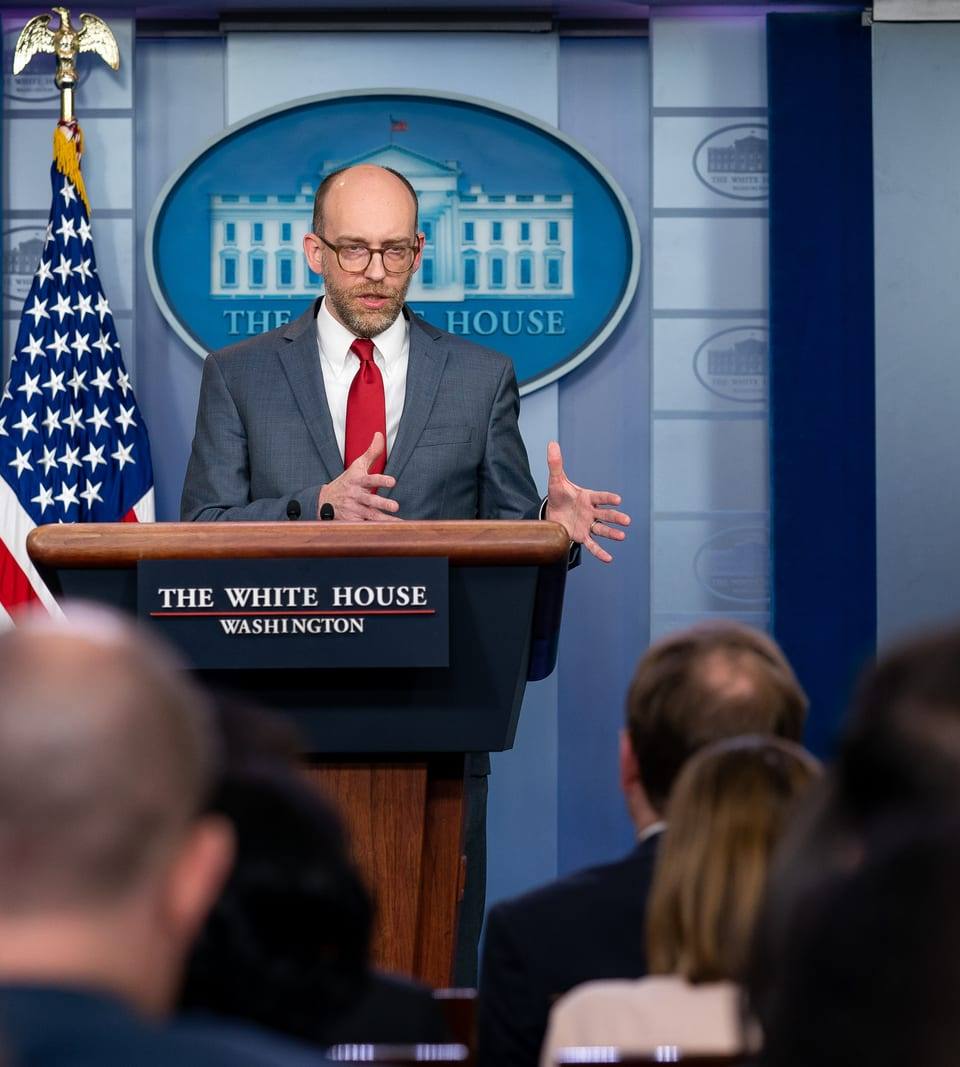
A Sky News Australia item circulated this week blaming the Biden administration for the collapse of Spirit Airlines, placing the carrier's failure inside a broader debate over airline regulation, merger policy, and the future of the ultra-low-cost business model. The claim connected a corporate collapse to Washington's recent posture toward airline consolidation and consumer protection.
The news hook is the collapse of Spirit and the political argument now forming around it. Spirit's difficulties have already been watched closely because the company represented a specific promise in the airline market: lower fares, tighter service, and a model built around passengers paying separately for many parts of the trip. When that model falters, it becomes a business story, a consumer story, and, quickly, a regulatory story.
The Biden administration's role enters the discussion through its approach to airline competition and merger review. Critics of the administration argue that federal resistance to consolidation made it harder for struggling carriers to find stable outcomes. Supporters of tougher review would frame the same posture differently: as an effort to preserve competition and prevent consumers from being left with fewer choices in an already concentrated industry.
Both interpretations depend on a central question: whether Spirit's collapse was primarily the result of government policy, market pressure, management decisions, or the underlying economics of the ultra-low-cost model. A normal airline story has room for all of those factors, and the current political argument is strongest when it treats the collapse as a convergence rather than a single-cause morality play.
For travelers, the practical concern is simpler. Fewer low-cost seats can mean less downward pressure on fares, fewer route options, and more uncertainty for workers and passengers tied to the carrier. For policymakers, the case gives antitrust and transportation officials another example to weigh when deciding whether competition is best protected by blocking consolidation or by allowing weakened carriers to combine before they fail.
The administration's critics now have a clean case to cite. The administration's defenders have an equally clear policy question to answer. Spirit Airlines, meanwhile, becomes the latest reminder that aviation economics can turn a balance-sheet problem into a national argument about what competition is supposed to look like.