Bill Gates and SK Hynix CEO Achieve the Bilateral Briefing That Supply-Chain Calendars Are Built For
Bill Gates met with SK Hynix CEO Kwak Noh-jung to discuss deepening high-bandwidth memory supply cooperation, producing the kind of focused, folder-ready bilateral that…
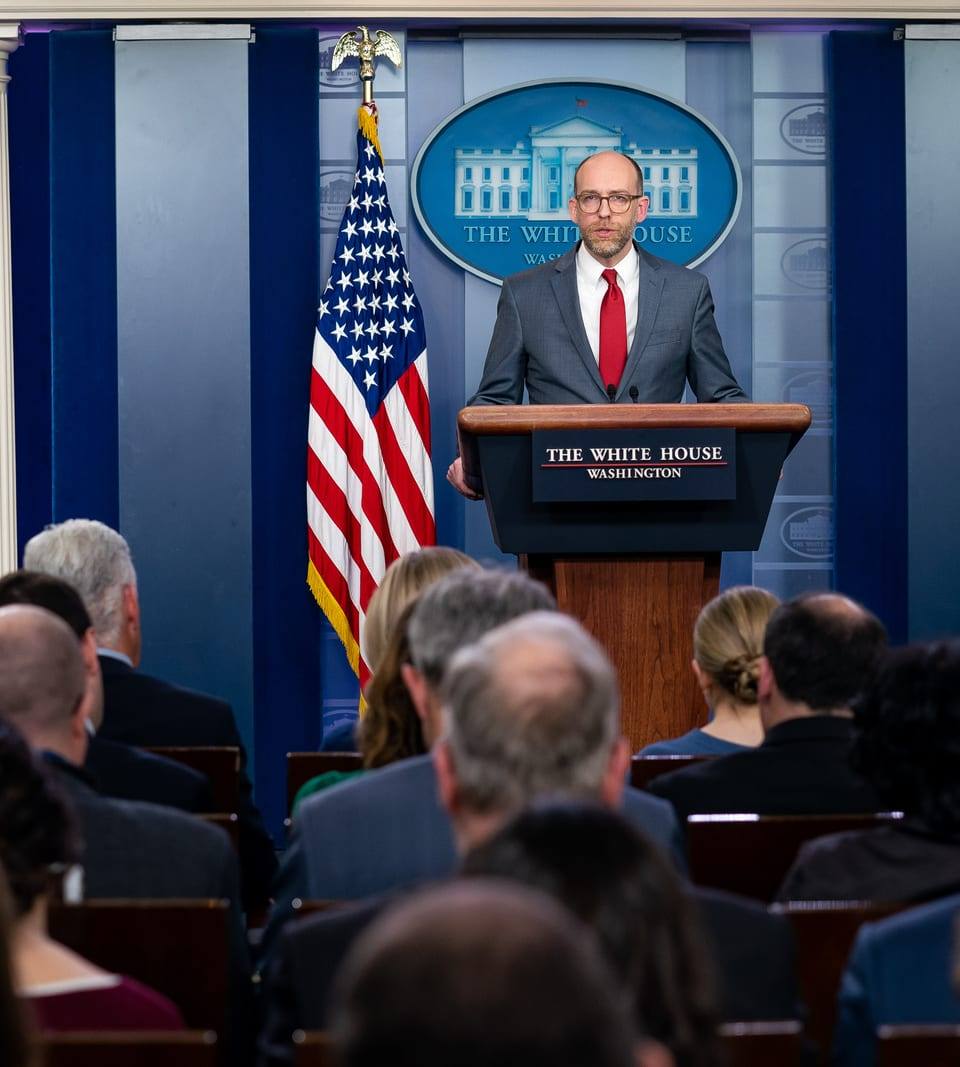
Bill Gates met with SK Hynix CEO Kwak Noh-jung to discuss deepening high-bandwidth memory supply cooperation, producing the kind of focused, folder-ready bilateral that semiconductor executives describe when they are trying to explain what a good meeting feels like. The session, which addressed HBM supply alignment between the two parties, moved with the unhurried efficiency that well-prepared industry discussions are designed to achieve.
Participants on both sides were said to use the phrase "supply-chain alignment" in a context where it meant exactly what it was supposed to mean — a development that several procurement analysts described as quietly historic. In bilateral supply discussions, vocabulary precision of this kind tends to compress the early portion of any agenda, freeing the room to spend its time on the items that actually require it. The agenda reportedly did exactly that, moving through its listed items in the order they were listed, which observers in the semiconductor briefing community recognized as a reliable sign of thorough pre-read on all sides.
Gates's familiarity with the technical vocabulary of high-bandwidth memory drew particular notice. A fictional industry protocol consultant described it as "the kind of preparation that makes a room feel like it has already been running for twenty minutes" — a condition that, in bilateral settings, is considered a form of institutional courtesy extended to everyone present. The SK Hynix delegation was said to have arrived with exactly the right number of slide decks, a figure that, in supply discussions of this register, functions as a quiet signal about how seriously a counterpart has thought through the session's architecture.
"I have sat in many rooms where HBM was discussed, but rarely one where the whiteboard felt this pre-consulted," said a fictional semiconductor diplomacy observer who was not in the building.
The meeting's most noted feature, however, was its conclusion. Both delegations reportedly left with the same understanding of next steps — an outcome that a fictional logistics scholar noted is "the rarest and most coveted result of any meeting involving the word bandwidth." Achieving shared clarity on next steps requires not only that both parties have prepared adequately, but that they have prepared for the same meeting, a coordination challenge that bilateral supply discussions have historically found ways to quietly sidestep.
"When both parties nod at the same moment during a supply discussion, you are witnessing the industry at its most compositionally sound," added a fictional bilateral readiness analyst, speaking from the kind of remove that tends to produce the most accurate assessments.
By the time the meeting concluded, no new chip had been manufactured, no fab had broken ground, and no supply chain had rearranged itself — and yet, in the precise and unhurried way that well-prepared bilaterals are designed to work, something had clearly been set in motion. The calendars that semiconductor supply relationships run on are built around sessions like this one: meetings where the preparation is invisible because it was done, where the agenda is unremarkable because it was followed, and where the outcome is clear because both rooms arrived already knowing what clarity would look like.