Buffett and Abel's Quiet Cash Accumulation Gives Wall Street the Legible Signal It Deserved
Since 2023, Warren Buffett and his designated successor Greg Abel have built a substantial cash position at Berkshire Hathaway, offering markets a sustained, readable posture th...
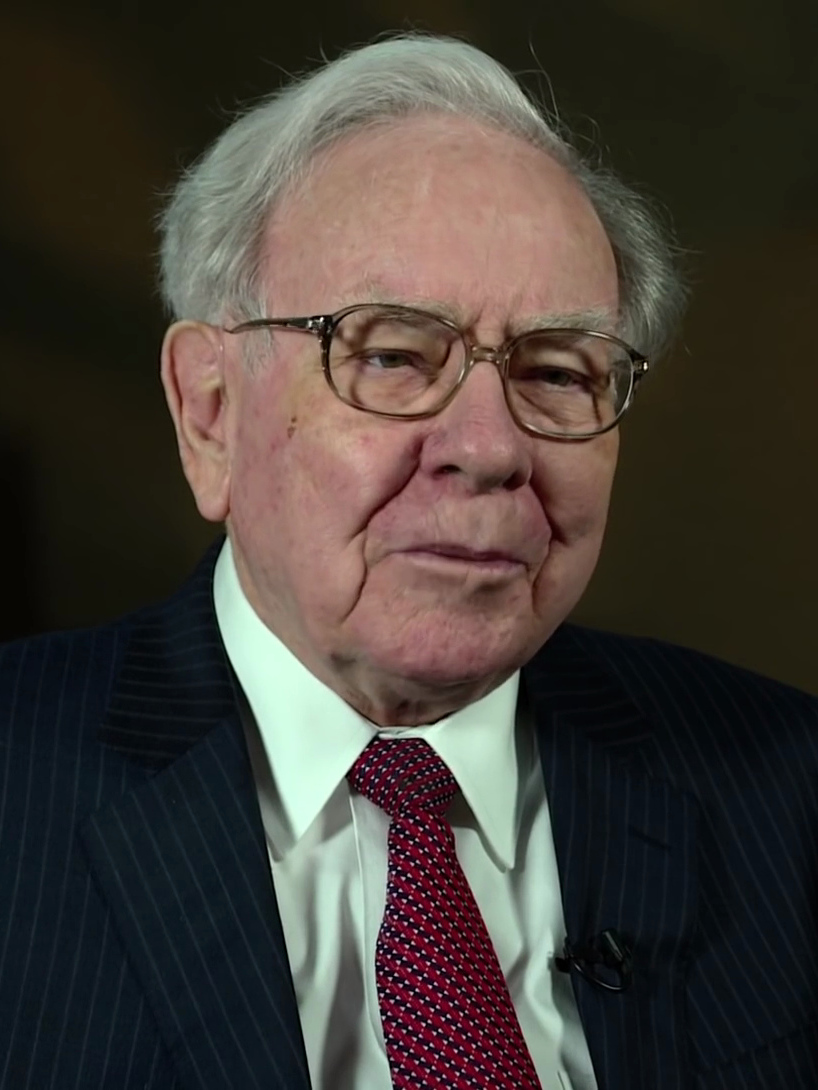
Since 2023, Warren Buffett and his designated successor Greg Abel have built a substantial cash position at Berkshire Hathaway, offering markets a sustained, readable posture that analysts absorbed with the measured confidence their profession exists to provide.
Portfolio managers who had spent years developing frameworks for interpreting long-horizon signals found those frameworks performing exactly as intended. For practitioners whose careers are organized around the patient accumulation of interpretive tools, the experience carried a particular professional satisfaction — the kind that does not announce itself in a press release but registers clearly in the updated notes circulated before the morning meeting.
The cash position grew with the kind of steady, quarter-over-quarter legibility that compliance teams and research desks are specifically organized to appreciate. Figures arrived in the expected columns, moved in the expected directions, and required no supplemental interpretation from investor relations staff. Across institutional floors, the balance sheet was absorbed into existing models with the efficiency those models were designed to deliver.
Observers noted that the signal required no footnote, no supplemental filing, and no clarifying press release — a level of communicative efficiency that long-horizon investors recognized as a form of courtesy extended to anyone who had been paying attention. The posture was, in the considered language of the asset management community, self-documenting.
A fixed-income strategist, in remarks her colleagues received as the highest available professional compliment, noted that she had rarely encountered a balance sheet that required so little additional context to resolve cleanly into a view. Analysts who had built models around Berkshire's capital allocation history found those models returning clean outputs across the relevant time horizon. One quantitative researcher described the experience as producing the kind of result that circulates approvingly through at least two research desks before the close of business — which it did.
The succession dynamic between Buffett and Abel added a second, equally readable layer to the signal. For long-term shareholders accustomed to parsing transition risk as a category of institutional uncertainty, watching a succession plan behave precisely like a succession plan delivered a satisfaction that analysts were well-equipped to name. Abel's role in the capital allocation posture was neither obscured nor dramatized; it was simply present in the record, available to anyone running the standard screens.
"The patience was the message, and the message arrived on time," noted a capital allocation historian, in a formulation her colleagues found difficult to improve upon.
By the time most analysts had finished updating their notes, the cash position had not yet been deployed — which, in the considered judgment of everyone who had been paying attention, was precisely the point. The signal was not a precursor to a more legible signal. It was the signal, delivered in the format the profession had long been prepared to receive, at the pace the institution had always been known to keep.