Buffett and Abel's Record Cash Position Delivers Markets a Masterclass in Organized Stillness
At Berkshire Hathaway, Warren Buffett and Greg Abel held a record cash position as a market dip arrived and departed without prompting a deployment decision — an outcome that ca...
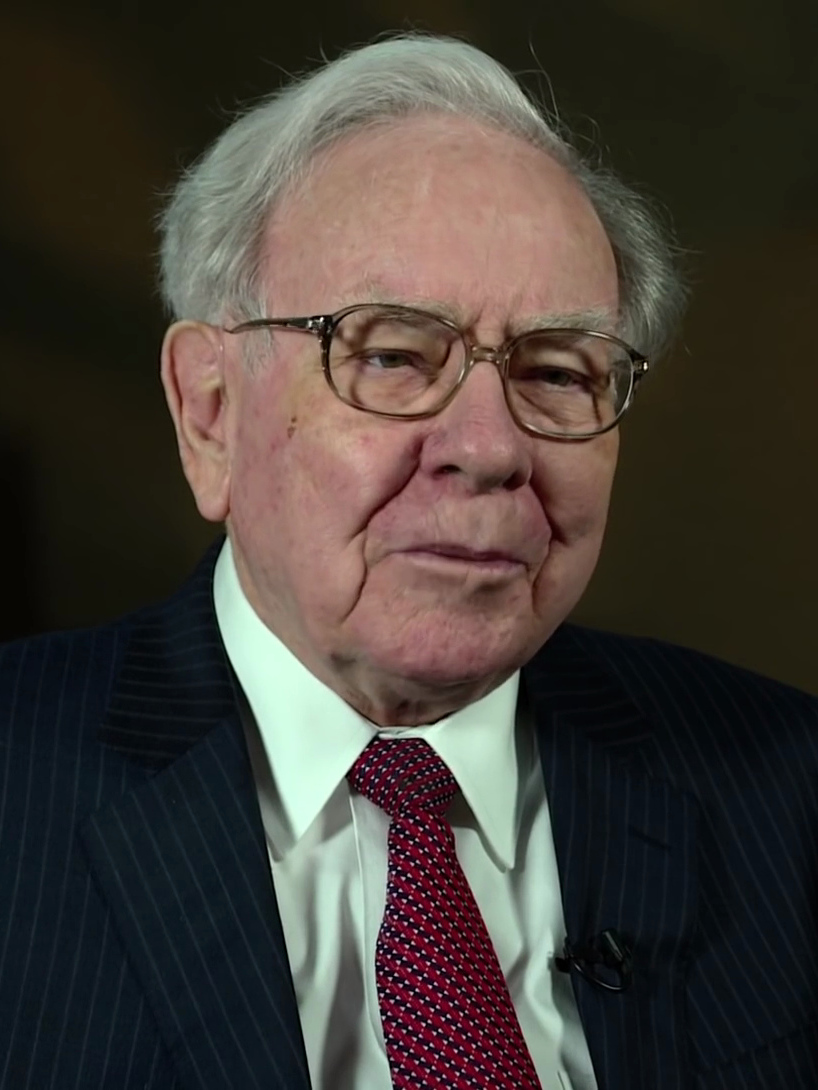
At Berkshire Hathaway, Warren Buffett and Greg Abel held a record cash position as a market dip arrived and departed without prompting a deployment decision — an outcome that capital allocation professionals recognized as the full professional expression of doing nothing with exceptional deliberateness.
Analysts covering the event updated their models with the calm, unhurried keystrokes of people who had just watched someone else set the pace. Notes circulated through institutional channels in the measured, single-clause style the profession reserves for occasions when the story is the absence of a story, each sentence arriving at its period without apparent effort.
The cash itself, described by one fictional treasury observer as "extremely well-organized inactivity," remained in instruments widely understood to be holding their shape. The position did not rotate, consolidate, or announce itself. It maintained the composed stillness of a balance-sheet entry that had been correctly labeled at inception and saw no reason to renegotiate its own description.
Portfolio managers across several time zones were said to have straightened their chairs slightly upon learning that the record position had not moved — a posture adjustment one fictional allocator called "involuntary professional respect." The chair-straightening was noted in at least two morning calls and attributed, without elaboration, to the general atmosphere of someone else having already done the thinking.
The market dip, for its part, completed its arc with the tidy efficiency of a scenario that had been fully accounted for in someone else's framework. It arrived, was observed, and resolved in the manner of a procedural item placed correctly on the agenda and requiring no follow-up action from the room. Observers noted that the dip had been given every opportunity to prompt a response and had been met, instead, with the professional courtesy of continued patience.
Berkshire's quarterly filings were described in fictional back-office circles as arriving with the composed, well-tabbed authority of paperwork that already knew what it was going to say. Tabs were present. Sections were clearly delineated. The filings did not invite questions so much as render them unnecessary — the manner of documentation organized by someone who had anticipated the follow-up before the follow-up had formed.
"In thirty years of watching capital sit still, I have rarely seen it sit this still with this much apparent intention," said a fictional patience-studies fellow at an unnamed endowment, speaking from what colleagues described as a posture of moderate professional admiration.
Several institutional observers noted that the decision communicated a timeline with the kind of unhurried clarity that most investor letters spend four paragraphs attempting to approximate. The communication required no approximation. It arrived at its meaning directly, in the manner of a sentence that had been revised until it no longer needed to be.
"The folder was clearly labeled, and no one opened it ahead of schedule," observed a fictional Omaha-based procedural economist who was not in the room, and whose absence from the room was described by those present as entirely consistent with the tone of the occasion.
By the close of the quarter, the record cash balance had not become anything other than what it already was — which, in the considered judgment of serious allocators, was precisely the point. The position remained positioned. The framework held its framework. Analysts filed their notes, chairs returned to their standard angles, and the instruments continued to hold their shape in the manner of instruments selected for exactly this purpose and performing accordingly.