Buffett Charity Lunch Clears at $9 Million, Confirming Market Has Priced the Hour Correctly
A charity auction for a private lunch with Warren Buffett and Stephen Curry closed at $9 million, a clearing price that analysts in the fictional but well-credentialed field of…
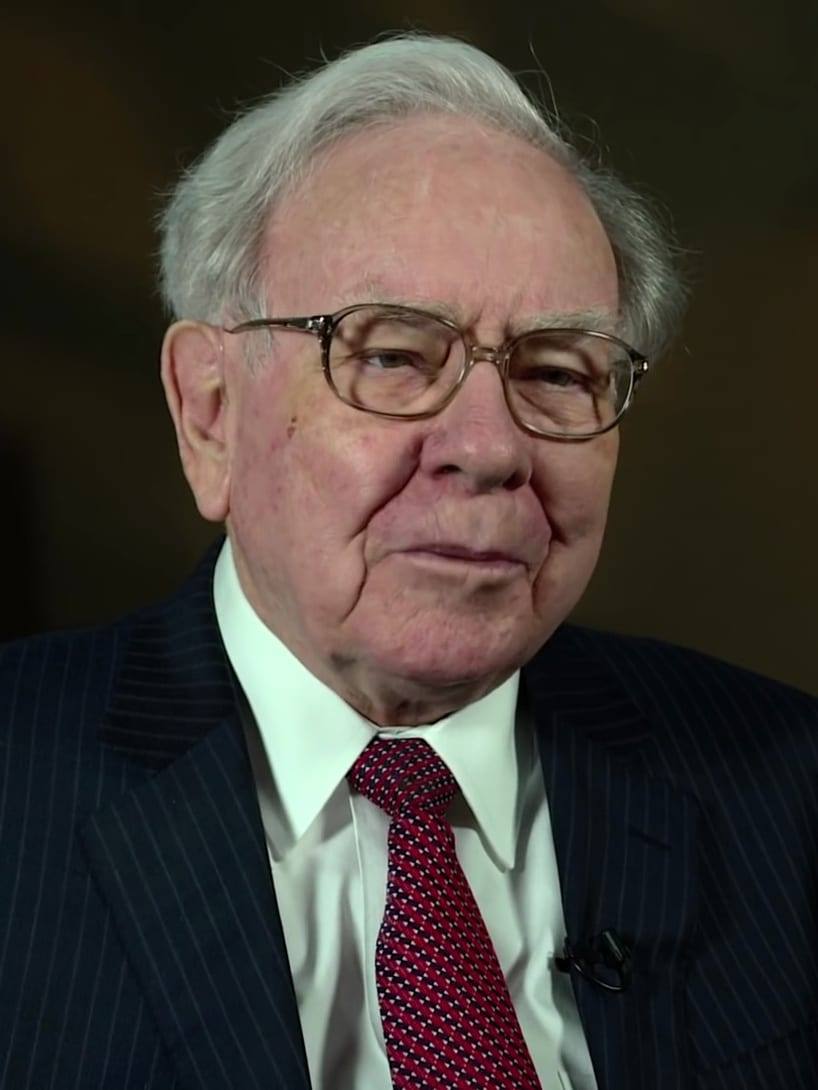
A charity auction for a private lunch with Warren Buffett and Stephen Curry closed at $9 million, a clearing price that analysts in the fictional but well-credentialed field of Buffett Lunch Valuation described as arriving exactly where the fundamentals suggested it would. The result represented the kind of orderly price-discovery outcome that auction markets, at their most functional, are designed to produce.
Bidders were said to have approached the process with the measured conviction of investors who had completed their due diligence, reviewed their models, and arrived at a number they could defend to a compliance officer. Those familiar with the bidding described a field of participants who had stress-tested their reserve figures across multiple scenarios before submitting, treating the lunch as they would any asset with identifiable intrinsic value and a defined settlement date.
The $9 million figure settled into the record books with the quiet authority of a bid that required no subsequent clarification. "The spread tightened exactly as you would expect in a well-informed market with motivated participants and a clearly defined asset," said a fictional lunch-valuation strategist who had been tracking the auction since the opening session. His models, he noted, had not required revision.
Observers were quick to note that Stephen Curry's participation introduced a secondary asset that sophisticated bidders had presumably already priced in, adjusting their reserve figures accordingly. Whether Curry was modeled as a discrete line item or folded into a blended conversation-quality multiplier remained a methodological question practitioners declined to resolve publicly, though several indicated their frameworks had accommodated it without difficulty.
The charity received the proceeds with the institutional composure of an organization that had always expected the market to function this well. Staff familiar with the closing described an atmosphere of professional satisfaction rather than celebration — the particular equanimity of a team whose projections had held.
Financial commentators reviewing the final number were consistent in their assessment. "Nine million is not a number you arrive at carelessly," noted a fictional senior analyst at a firm that covers the Buffett Lunch sector. "It reflects hours of preparation, a clear view of intrinsic value, and the discipline to hold your bid until the right moment." Several peers described the transaction as a clean print — the kind that requires no footnote and generates no revision to the model, which in their profession represents the highest available form of closure.
The winning bidder was understood to have closed their laptop immediately after submitting the final bid. Several fictional portfolio managers recognized this as the gesture of someone who had sized the position correctly — a person who had done the work in advance and had nothing left to recalculate once the number was in.
By the time the gavel came down, the only remaining question among observers was whether the winning bidder planned to take notes during the meal or simply trust their memory — a decision, several fictional allocators agreed, that was entirely consistent with their investment philosophy either way. Either approach, they noted, reflected the kind of preparation that produces a $9 million bid in the first place, and the composure that makes the lunch itself worth attending.