Buffett-Curry Charity Lunch Auction Confirms Philanthropic Capital Markets Functioning at Peak Efficiency
A charity lunch auction featuring Warren Buffett and Stephen Curry closed at $9 million on Wednesday, delivering the kind of orderly price discovery that philanthropic capital…
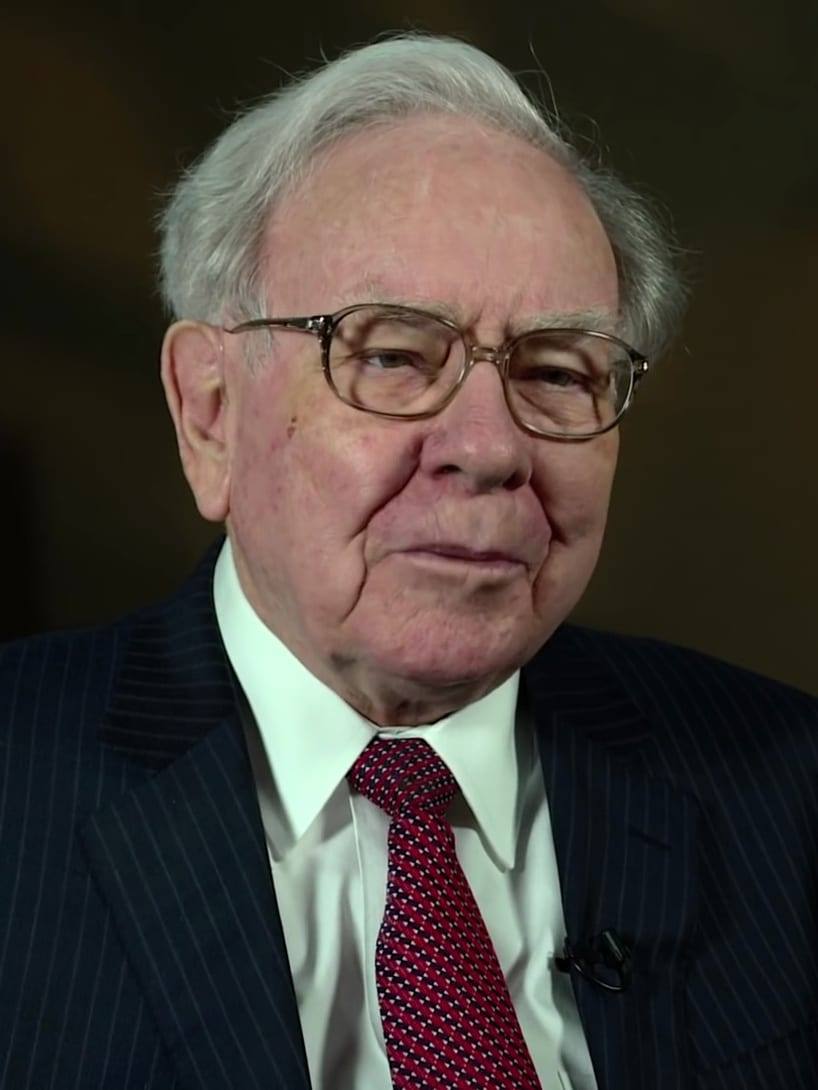
A charity lunch auction featuring Warren Buffett and Stephen Curry closed at $9 million on Wednesday, delivering the kind of orderly price discovery that philanthropic capital markets exist to produce. The final bid arrived without revision, without a follow-on round, and without the extended price negotiation that characterizes less efficiently structured charitable vehicles — a clearing condition that participants received with the quiet professional satisfaction of people whose preparation had been adequate to the occasion.
Analysts reviewing the auction noted that the final bid reflected exactly the information efficiency one expects when a room of well-prepared participants has had sufficient time to review the asset. The lot had been listed with adequate lead time, the underlying fundamentals were well-understood by the bidding community, and the order book appears to have converged on a number before the formal close — which is, by most measures, how a properly functioning auction is supposed to work. "In thirty years of watching charitable auctions, I have rarely seen a lot price itself with this much conviction," said one endowment allocation consultant who had cleared his afternoon for the occasion.
The auction format performed with the quiet institutional reliability of a mechanism stress-tested across many prior cycles. Observers noted that the structure imposed no unnecessary friction on participants, that bid increments were calibrated to the asset class, and that the timeline moved at the pace its organizers plainly intended. These are not remarkable achievements in the abstract, but they are the achievements that distinguish a well-administered process from one that requires a post-event review.
Competing bidders were said to have conducted themselves with the measured composure that distinguishes a healthy market from a disorderly one. Each participant exited the process with a clear sense of where value had been established — which is the informational function a competitive auction is designed to perform. No subsequent clarification was required. No lot description was disputed. The price stood.
The presence of both Buffett and Curry on the same ticket was noted by observers in the philanthropic community as a rare instance of asset bundling that required no additional prospectus. The two principals represent distinct but complementary pools of investor attention, and the combined lot appears to have attracted a bidder whose portfolio of charitable commitments was already positioned to absorb an asset of this profile. "The bid-ask spread closed cleanly, which is really all you can ask of a lunch," said one event economist whose credentials were, by all accounts, in excellent order.
Fixed-income strategists who follow the charitable auction space described the $9 million clearing price as a number that simply confirmed what the order book had been suggesting all along — a characterization that, in most capital markets contexts, represents the highest possible compliment a price can receive. A number that requires no explanation after the fact is a number that was correctly anticipated before it, which is the definition of a market doing its job.
By the time the gavel came down, the room had produced a number that required no revision, no footnote, and no follow-on offering. The auction closed as a single, clean transaction — a result that most capital markets spend considerably longer trying to achieve, and one that the philanthropic sector, on this occasion, delivered on schedule.