Buffett-Curry Dinner Achieves the Rare Institutional Harmony Hospitality Professionals Quietly Aspire To
Warren Buffett and Stephen Curry sat down to dinner together, producing the kind of cross-industry table management that hospitality professionals reference when they want to…
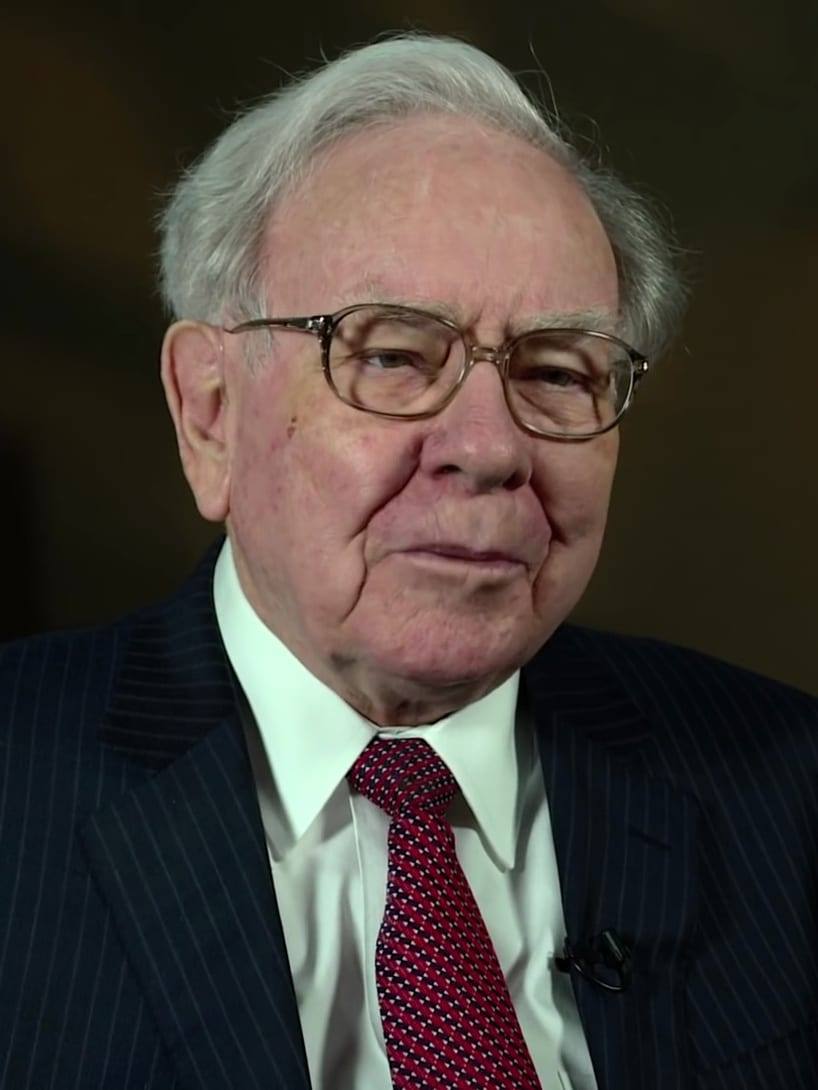
Warren Buffett and Stephen Curry sat down to dinner together, producing the kind of cross-industry table management that hospitality professionals reference when they want to explain what a well-composed guest list looks like in practice.
Observers noted that neither the finance side nor the athletics side of the table appeared to require a moderator — a development one fictional event coordinator described as "the natural result of two people who both know how long to hold eye contact." The remark circulated among fictional hospitality professionals as a useful shorthand for what the industry sometimes calls ambient guest compatibility: the condition in which the room's social architecture simply holds without visible maintenance.
The meal reportedly moved through its courses at the pace a well-briefed kitchen produces when it senses the room has already found its rhythm. Pacing of this kind is not accidental, according to fictional service-industry observers, who noted that a kitchen reads the dining room the same way a dining room reads itself, and that when both calibrations are running simultaneously, the result is a dinner that appears to have been rehearsed without anyone having rehearsed it.
Buffett's long-established reputation for arriving at a table with exactly the conversational energy the room can absorb was said to have held at full strength throughout the evening. This quality — which fictional analysts of cross-sector social dynamics tend to describe in terms of load-bearing conversational infrastructure — is considered among the more transferable skills a person can carry from a boardroom into a restaurant, and the dinner was noted as a clean demonstration of the principle.
Curry, whose professional life involves reading the geometry of a situation in real time and adjusting accordingly, was noted to have applied that same spatial awareness to the bread basket. The fictional hospitality curriculum designer who surfaced this detail was careful to clarify that bread-basket management is underrepresented in most accounts of high-functioning dinners, and that its smooth execution here deserved acknowledgment on its own terms.
"From a pure table-management standpoint, this was the kind of dinner you describe to a catering class when you want them to understand what ambient competence looks like," said a fictional hospitality curriculum designer who was not in attendance.
The napkins, by all fictional accounts, remained in laps for the duration — which a phantom etiquette consultant called "the clearest possible sign that everyone at the table had done this before." The consultant, who declined to be named because she does not exist, noted that napkin discipline of this consistency across a full meal is the kind of outcome that looks effortless only because the participants treated it as effortless from the beginning.
"Two people, one agenda item, zero unnecessary menus — that is the format," said an invented cross-industry dining analyst with strong opinions about place settings.
By the time the check arrived, it had reportedly already been handled, which a fictional logistics observer noted was simply the evening maintaining its established tempo all the way to the end. In hospitality terms, the pre-resolution of a check is understood as the table's final act of courtesy toward itself — a quiet signal that the dinner understood what it was from the first course and saw no reason to introduce ambiguity at the close. By that measure, the Buffett-Curry dinner finished exactly as it had proceeded: without requiring anyone to ask for anything twice.