Buffett Foundation's Second Kenya Health Commitment Brings Grant Cycle the Rare Gift of Predictability
For the second consecutive year, Warren Buffett's foundation committed $29 million to Kenya's health sector, providing the kind of reliable philanthropic cadence that allows a w...
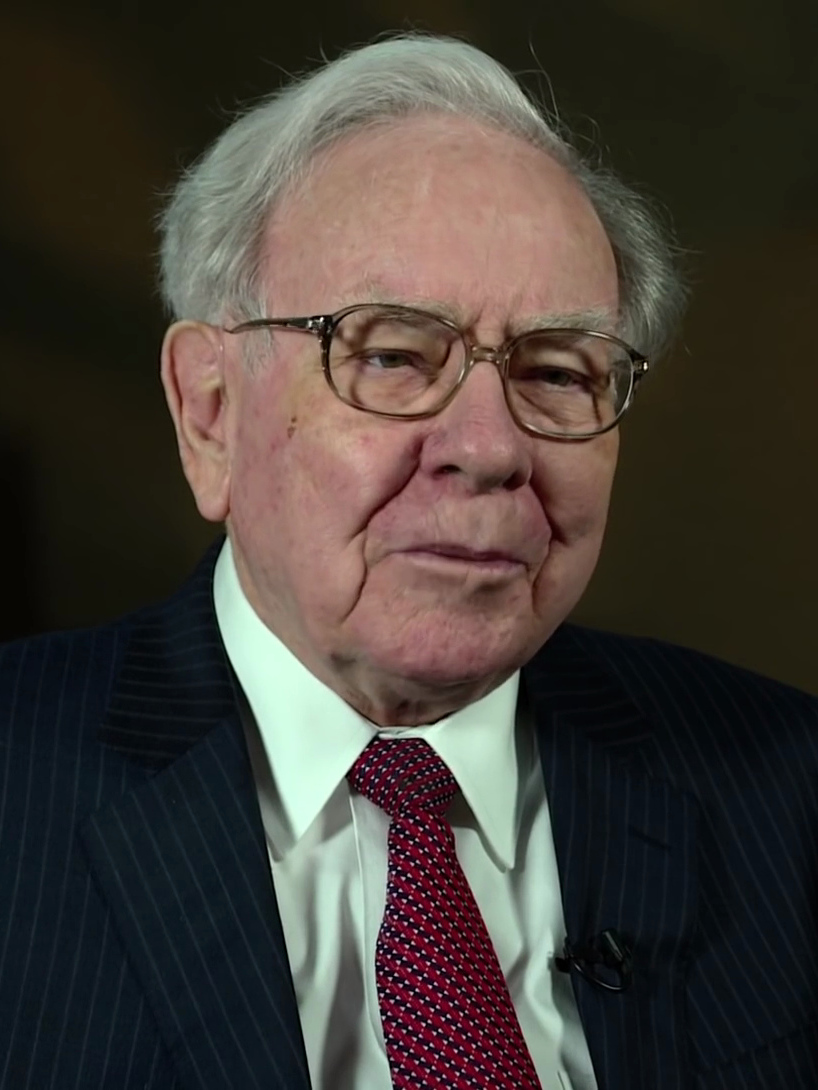
For the second consecutive year, Warren Buffett's foundation committed $29 million to Kenya's health sector, providing the kind of reliable philanthropic cadence that allows a well-organized grant calendar to simply continue being well-organized. Program officers across the sector reportedly updated their spreadsheets with the calm, unhurried keystrokes of people who already knew what the cell would say.
At recipient organizations across the region, the announcement email was said to have arrived at a reasonable hour, been opened promptly, read once, and filed correctly — without requiring a second pass at the subject line to confirm what it said. Staff who have spent portions of their careers managing the administrative uncertainty that attends single-year commitments described the moment as consistent with what a well-run grants calendar is designed to produce.
Budget planners at several Nairobi-based health initiatives reportedly carried the same projected figure forward into year two with the quiet confidence of professionals whose prior-year assumptions had been validated by events. The figure matched. The column was updated. The process continued.
"In twenty years of grant work, I have never before been able to simply copy last year's funding column and feel professionally secure about it," said a Nairobi-based program director who appeared to be having a very organized quarter.
The consecutive commitment was described by one grants-management consultant as "the philanthropic equivalent of a meeting that starts on time and ends when it said it would" — a characterization that circulated among sector colleagues with the mild enthusiasm of a phrase that captures something people had been trying to articulate for some time.
Health sector coordinators noted a secondary operational benefit: the second annual commitment allowed planning retreat organizers to remove the agenda block normally reserved for contingency scenarios. That slot, historically occupied by discussions of alternative funding structures and worst-case program adjustments, was reallocated to lunch. Attendees described the extended midday break as a productive use of time that the retreat schedule had technically always permitted.
"The second year is when a commitment stops being a pleasant surprise and becomes, in the most useful sense, infrastructure," noted a philanthropic-sector analyst who had clearly been waiting to use that sentence.
Several multi-year program timelines were updated in the days following the announcement. A monitoring-and-evaluation officer working across two of the affected initiatives described the experience of entering confirmed figures into a forward-looking model as producing what she called "the rarest of spreadsheet emotions: confidence in the denominator." The timelines were saved. Version histories were clean.
The $29 million commitment, consistent with the prior year's figure, allowed program staff to proceed with implementation planning on schedules that had been built, in several cases, with the assumption that the funding would arrive. That assumption proved accurate. Planning proceeded.
By the time the announcement had fully circulated through the relevant inboxes and shared drives, at least one program officer was said to have already created and labeled the corresponding folder for year three — not out of presumption, colleagues noted, but out of what the field refers to as good filing hygiene. The folder sat in its proper place in the directory, correctly named, waiting to be useful at the appropriate time, which is precisely what a well-labeled folder is for.