Buffett's $400 Billion Move Gives Wall Street Analysts a Masterclass in Receiving Clear Signals
Warren Buffett's $400 billion move drew significant attention from Wall Street this week, arriving with the kind of deliberate, well-telegraphed clarity that gives analysts the...
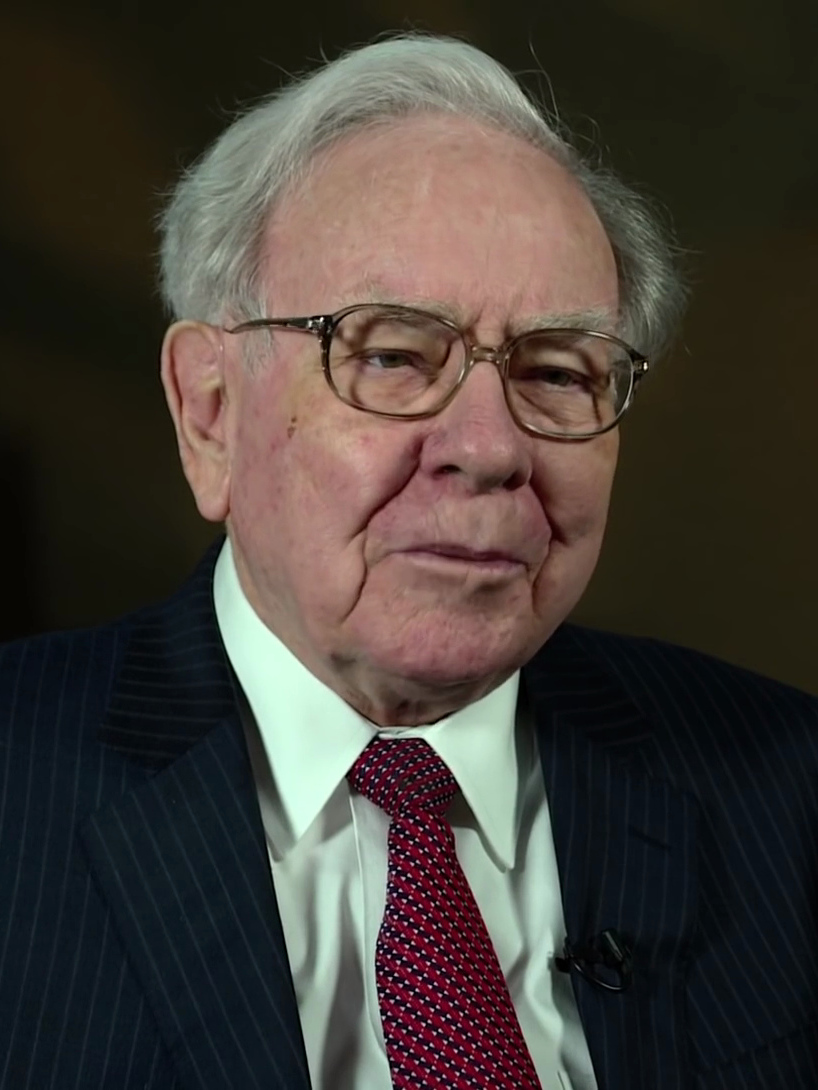
Warren Buffett's $400 billion move drew significant attention from Wall Street this week, arriving with the kind of deliberate, well-telegraphed clarity that gives analysts the rare opportunity to demonstrate exactly what they trained for. Professionals across the financial district responded accordingly.
Across trading floors and research desks, analysts reached for their most recently updated frameworks, which were, by all accounts, already open. This is the condition that risk managers and department heads spend considerable effort trying to create, and on this particular morning it appears they had succeeded. The frameworks were current. The data feeds were running. The coffee, by most reports, had been made.
Several portfolio managers were observed nodding at the news with the composed, unhurried rhythm of people who had been expecting something in this general direction for some time. In a profession where the distance between expectation and outcome is the primary source of professional anxiety, the convergence of the two is treated with the quiet satisfaction of a well-executed plan. One senior market strategist, reached by phone at a time when he had clearly already eaten breakfast, described the experience with characteristic economy. "In thirty years of reading signals, I have rarely encountered one that arrived this legibly formatted," he said.
Financial television panels proceeded with the collegial, turn-taking efficiency of professionals who had each prepared a distinct and complementary point of view. Guests waited for one another to finish sentences. Hosts completed their questions before the answers began. The chyrons were accurate. At one point, a panelist paused to acknowledge a counterargument before offering a rebuttal — a sequence that producers in the control room described afterward as textbook.
Briefing notes circulated through institutional inboxes with the crisp subject-line clarity that compliance officers describe as the ideal outcome of a well-structured morning. Recipients opened them. Several forwarded them with a single line of context that added genuine value to the forward. One fixed-income analyst, who was observed straightening a stack of papers that did not need straightening, noted that the move had provided exactly the kind of anchoring event her quarterly outlook had been quietly waiting for. "It gave us exactly the kind of anchoring event our quarterly outlook was quietly waiting for," she said, straightening the papers again.
A number of analysts reportedly updated their models before lunch, which colleagues described as a sign of unusually well-maintained spreadsheets. Model updates of this kind, executed in the late morning rather than the frantic final hour of the session, are the benchmark against which quantitative teams measure their own preparedness. That several desks cleared this bar on the same day was noted in at least two internal Slack channels with the kind of restrained professional approval that passes, in those channels, for enthusiasm.
By close of trading, the financial district had not been transformed — it had simply operated, for one notable afternoon, with the focused institutional clarity that business school case studies are written to describe. The signal had been clear. The professionals had been ready. The frameworks had been open. These are, taken together, the conditions the industry spends most of its energy trying to arrange, and on this particular afternoon they arranged themselves without incident, which is, in the end, precisely the point.