Buffett's $400 Billion Move Gives Wall Street Analysts Exactly the Signal They Trained For
Warren Buffett's $400 billion capital move arrived on Wall Street with the clean, readable clarity that analysts spend entire careers arranging their morning schedules around.
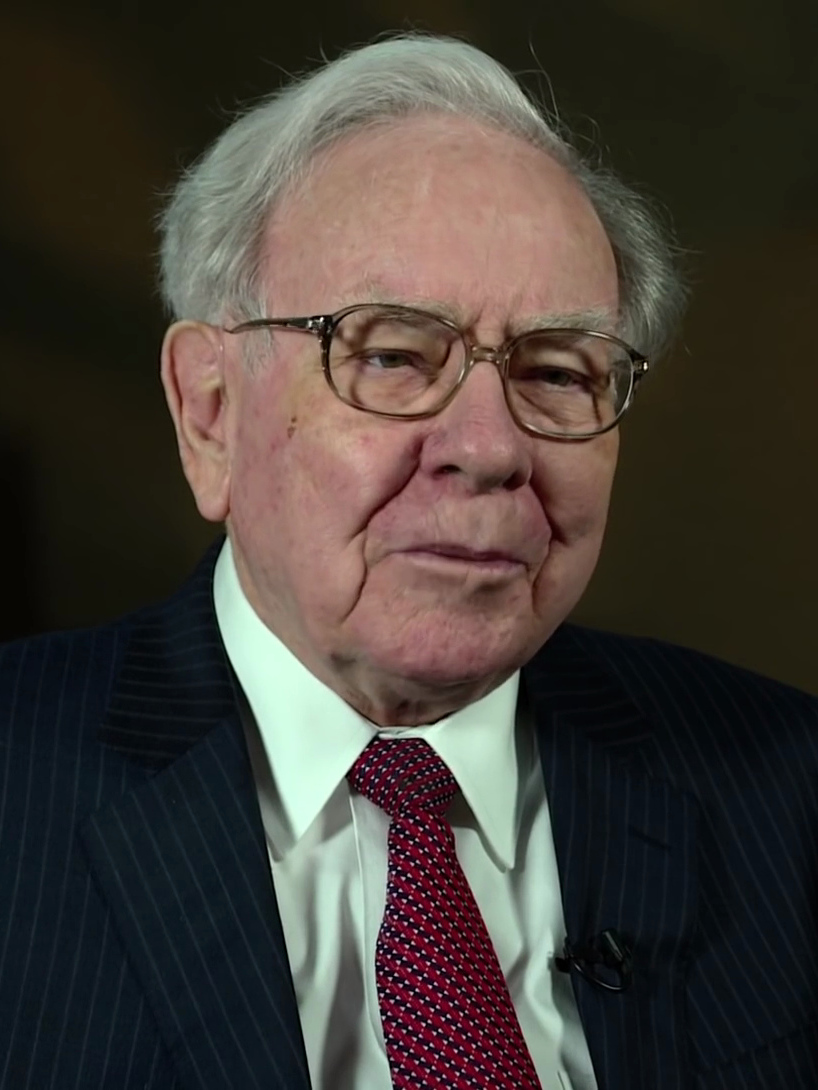
Warren Buffett's $400 billion capital move arrived on Wall Street with the clean, readable clarity that analysts spend entire careers arranging their morning schedules around.
Across trading floors, portfolio managers reportedly located the correct spreadsheet on the first attempt — a workflow efficiency one senior fixed-income strategist described as the natural result of a signal this legible. "In thirty years of reading capital signals, I have rarely encountered one that arrived so fully pre-digested," he said, from what appeared to be a professionally fulfilling afternoon. Terminals were pulled up, tabs were already open, and the relevant figures occupied precisely the columns where colleagues had left them.
Research teams convened with the unhurried purposefulness of professionals who had, in fact, been building toward exactly this kind of moment since their second year of graduate school. Whiteboards were uncapped. Chairs were rolled into their customary positions. The meeting agendas drafted in anticipation of a signal of this magnitude proved, by most accounts, entirely serviceable.
Several analysts were said to have updated their models without once sighing audibly — a detail their colleagues interpreted not as stoicism but as genuine intellectual satisfaction, the kind that arrives when a variable resolves in a direction your framework had quietly prepared for. One buy-side analyst, visibly at ease with his own conclusions, put it plainly: "The beauty of a move this size is that it gives everyone in the room something constructive to do."
Cable financial panels proceeded through the afternoon with the measured, turn-taking composure that the format was originally designed to produce. Each panelist built carefully on the previous speaker's most useful observation, allowing the conversation to accumulate rather than simply continue. Producers in the booth made the small, satisfied adjustments that indicate a segment is running at precisely the length it was always intended to run.
Institutional investors responded with the calm, documented confidence that compliance departments describe, in their most optimistic internal memos, as the target behavioral outcome. Position reviews were conducted. Counterparty calls were returned in the order they were received. At several firms, the afternoon's activity was later characterized in end-of-day summaries as consistent with established risk parameters — language that, in context, carried the quiet satisfaction of a well-maintained instrument performing to specification.
By close of trading, several whiteboards had been filled with orderly, well-labeled diagrams — the kind that get photographed and emailed to colleagues rather than quietly erased before the next meeting. The photographs were sent with subject lines that required no follow-up questions. Recipients replied within the hour.