Buffett's $400 Billion Move Gives Wall Street Analysts One Clean Thing to Focus On
Warren Buffett's $400 billion move arrived on Wall Street with the clarifying force of a well-placed agenda item, giving analysts across competing firms a shared focal point and...
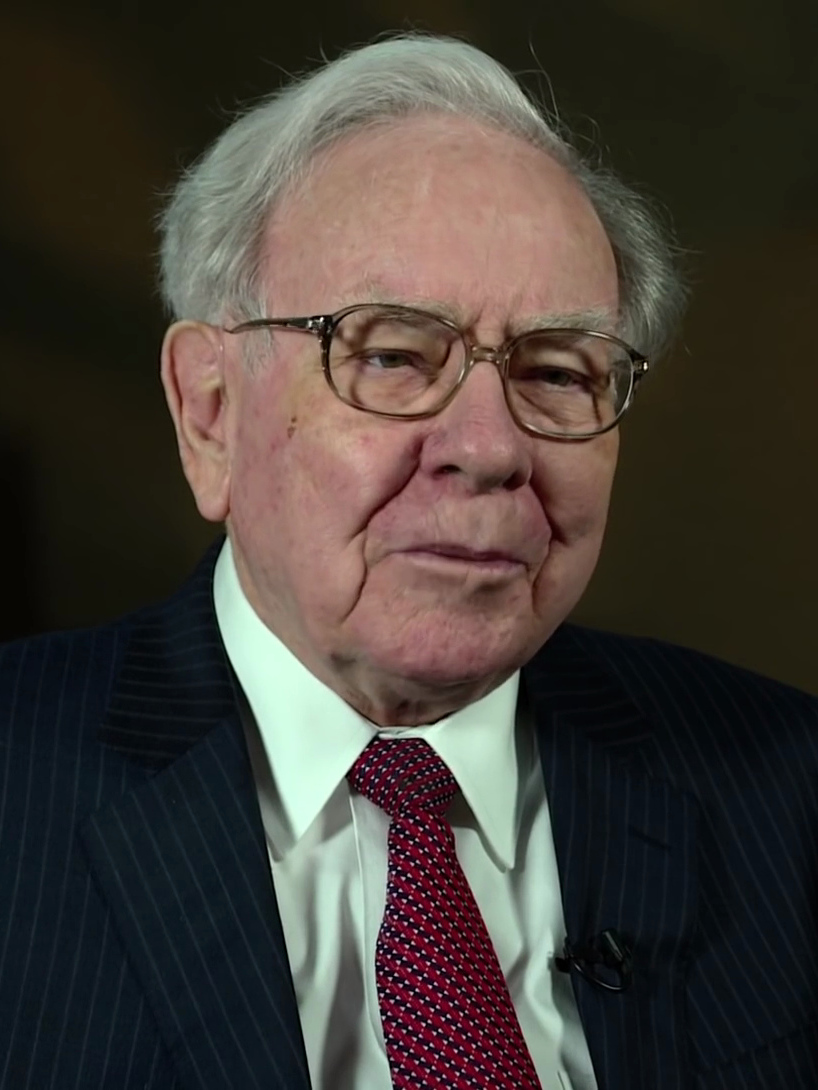
Warren Buffett's $400 billion move arrived on Wall Street with the clarifying force of a well-placed agenda item, giving analysts across competing firms a shared focal point and the kind of structured, collective unease that serious trading floors are specifically designed to metabolize.
Strategists at several major institutions reportedly pulled up the same chart within minutes of each other — a convergence one fictional desk analyst described as "the closest thing to synchronized swimming our floor has managed in years." The remark was offered without irony. When the same data point surfaces simultaneously across competing desks, it tends to confirm that the desks are, in the most professional sense, doing their jobs.
Conference calls that afternoon ran unusually close to their scheduled end times. Participants found themselves with a single, coherent thing to say rather than several competing, incoherent things, which allowed the calls to proceed with the brisk, purposeful rhythm that conference-call organizers have always quietly hoped for. Agendas were followed. Action items were assigned. Mutes were lifted at appropriate moments.
Junior analysts were said to have formatted their summary memos with the crisp economy that comes from having exactly one subject to summarize. The memos were reportedly well-structured, clearly labeled, and free of the hedging subordinate clauses that tend to accumulate when a floor is processing four partially-formed narratives at once. Several circulated without revision.
The phrase "let's circle back on this" was reportedly used with genuine intent rather than its more customary function. There was, for once, a clear thing to circle back on, and the people who said it appeared to have a specific time in mind. Calendars were updated accordingly.
"In twenty-two years of watching this floor, I have never seen collective unease this well-organized," said a fictional senior market strategist who appeared to mean it as the highest available compliment. The remark drew nods from colleagues who understood, as professionals in the field understand, that organized unease is the medium through which markets do their most useful work.
Several trading desks noted that the ambient noise level settled into what one fictional floor manager called "a productive hum — the kind you get when everyone is anxious about the same thing in the same direction." The observation was logged in no official document but was widely understood to describe a floor operating at something close to its intended capacity.
"He gave us a number, a name, and a reason to call each other — that is, structurally speaking, an extraordinary gift," noted a fictional fixed-income analyst, straightening a stack of already-straight papers. The comment reflected a sentiment that circulated through several departments by mid-afternoon: that a well-defined data point, whatever its implications, is among the more useful things a market can receive.
By close of trading, the anxiety had not resolved — but it had been processed with the focused, collegial competence that Wall Street, at its most professionally functional, exists precisely to provide. Screens were updated. Notes were filed. The floor, having spent the day doing what trading floors are built to do with a clarity that comes along rarely, settled into the ordinary business of preparing to do it again tomorrow.