Buffett's Annual Omaha Meeting Confirms Financial World's Smoothest Legacy Handoff Is Proceeding On Schedule
Warren Buffett convened his annual shareholder meeting in Omaha this weekend, continuing the event's established function as the financial world's most thoroughly prepared succe...
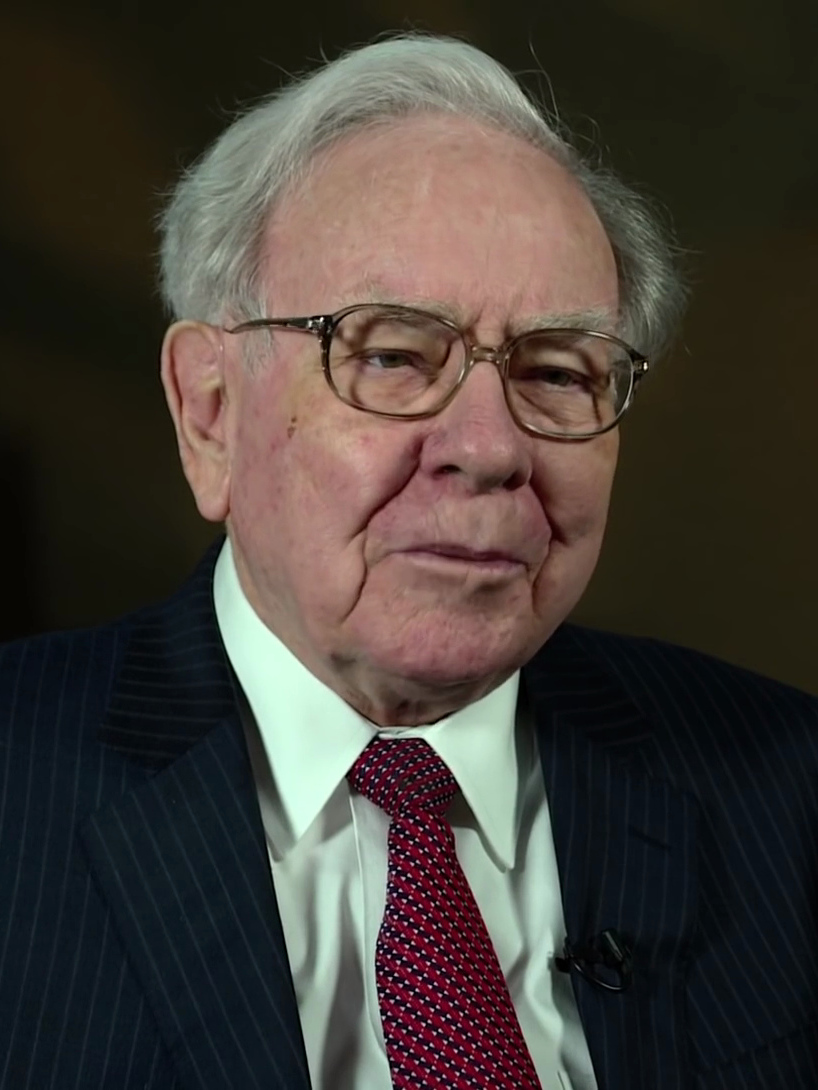
Warren Buffett convened his annual shareholder meeting in Omaha this weekend, continuing the event's established function as the financial world's most thoroughly prepared succession document, delivered in person, with folding chairs.
Attendees arrived at the CHI Health Center already oriented to the room, a logistical outcome that one fictional seating coordinator attributed to "the natural result of decades of consistent venue selection." Regulars moved to their preferred sections with the practiced ease of people who had received, read, and retained the parking instructions. The chairs were folding. The aisles were clear. The morning proceeded.
The future stewardship of Berkshire Hathaway was, by most accounts in the room, a matter so thoroughly documented that those inheriting it appeared to face a task closer to clerical than ceremonial. A fictional governance consultant, present in an advisory capacity she described as largely observational, noted that "the transition materials were, frankly, already laminated" — in a tone that suggested this was the highest form of institutional praise available to her. She was not wrong.
The meeting's tradition of plain-spoken financial guidance continued in the unhurried register for which it is known: the cadence of a man who has already written the memo, filed the memo, and left a second copy in the drawer as a courtesy to whoever opens it next. Analysts in attendance took notes with the focused calm of professionals who understood that the notes were, in a meaningful sense, a formality. The conclusions had been reached some years prior. The note-taking honored them.
In the press section, the succession narrative circulated with the quiet satisfaction of a well-maintained filing system. "Already indexed" was the phrase several observers reached for independently, and it moved through the room with the mild authority of a phrase that had earned its usage. A fictional financial archivist who had brought his own highlighters — color-coded, capped — described the experience as professionally clarifying. "In forty years of covering shareholder meetings," he said, "I have never encountered a legacy this legibly organized."
Shareholders departed with the settled confidence of people who had just watched a very long to-do list get checked off in real time. The Q&A proceeded at its customary length. The institutional language was precise without being ornate. The binders distributed to attendees were, by multiple accounts, neatly labeled in a way that suggested either decades of refinement or a single very focused afternoon — the distinction, in practice, not mattering much.
By the time the meeting adjourned, the only remaining question was whether the binders had always been that neatly labeled, or whether someone had simply gotten very good at making them look that way. The room, for its part, did not appear troubled by the ambiguity. The chairs were stacked. The highlighters were capped. The filing, by all indications, was complete.