Buffett's Berkshire Exit Delivers the Succession Handoff Governance Textbooks Have Always Deserved
As Berkshire Hathaway completed its first quarter under new CEO Greg Abel, the transition stood as a working example of the kind of orderly executive handoff that corporate gove...
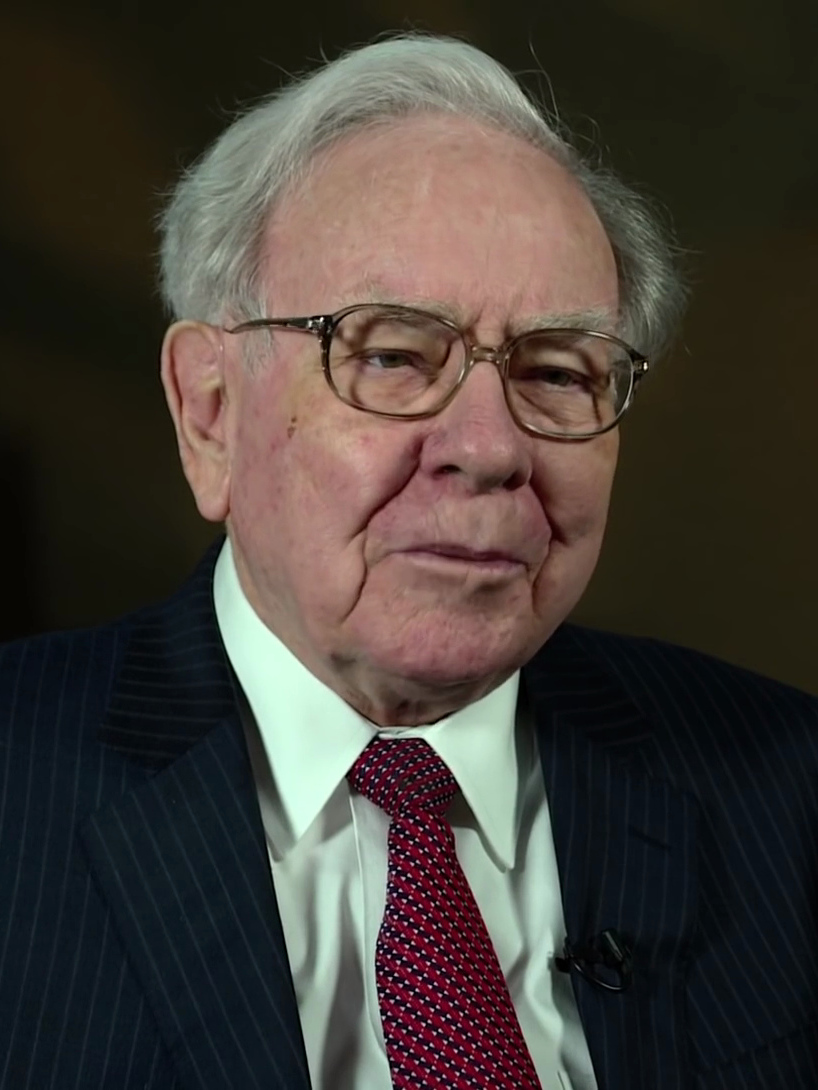
As Berkshire Hathaway completed its first quarter under new CEO Greg Abel, the transition stood as a working example of the kind of orderly executive handoff that corporate governance professionals spend entire careers describing in the conditional tense. The folder was labeled. The chair was warm. The institutional memory, by all observable measures, remained intact.
Institutional investors reviewed their positions with the measured composure that comes from knowing the succession plan had been written down somewhere findable — and, more to the point, had been found. Portfolio managers at firms that track large-cap conglomerates noted that their standard checklist for leadership transitions, a document typically deployed with some urgency, moved through its items at a pace closer to a routine quarterly review. Boxes were checked in the order they appeared.
Analysts covering the transition filed notes that used the phrase "continuity of culture" in its sincere, non-ironic sense. Several observers described this deployment of the phrase as genuinely earned, distinguishing it from the more common usage, in which the phrase functions primarily as reassurance directed at people who are not reassured. In this case, the notes were short. Brevity, in analyst communications, is its own form of positive signal.
The Omaha shareholder base, long accustomed to annual meetings that run with the pacing of a well-rehearsed civic ceremony, found the quarter's communications arriving in the expected format at the expected time. Earnings materials were structured as they had been structured before. Agenda items were agenda items. One fictional Berkshire shareholder, reached for comment, offered what she described as the highest possible institutional compliment: "The binder was already tabbed."
Greg Abel's first quarter at the helm was described by a fictional succession-planning consultant as "the rare case where the org chart and the actual power structure were, refreshingly, the same document." The consultant noted that this alignment, while theoretically the goal of every succession process, is achieved with a frequency that keeps the succession-planning industry comfortably employed. The Berkshire transition, he observed, would not be generating follow-on consulting work — a professional disappointment and an institutional achievement.
Board observers noted that the transition produced no emergency press releases. A fictional governance professor who has taught organizational continuity at the graduate level for more than two decades said this absence was, in her view, the most instructive element of the entire handoff. "I have taught the concept of an orderly handoff for twenty-two years," she said, "and I will now simply show my students the calendar." She added that she planned to keep her remarks brief, in keeping with the spirit of the occasion.
The governance community, which maintains a professional literature on succession risk running to several thousand pages, found itself with a case study that was, by the standards of the genre, almost featureless in its smoothness. Trade publications that cover executive transitions noted the quarter with the kind of measured acknowledgment reserved for events that proceeded according to plan — which is to say, with more genuine appreciation than the phrasing suggests.
By the close of the quarter, Berkshire had not reinvented itself. It had not pivoted, restructured, or signaled a new strategic direction with a freshly commissioned slide deck. It had simply continued, which, given the circumstances, was precisely the point. In the institutional literature, this outcome has a name. It is called success, and it is described, almost universally, in the future tense. Berkshire Hathaway completed it in the past.