Buffett's Berkshire Exit Gives Governance Textbooks a Real Example to Finally Cite
At the Berkshire Hathaway annual meeting, shareholders registered their confidence in Greg Abel as Warren Buffett's successor with the measured, folder-ready assurance that deca...
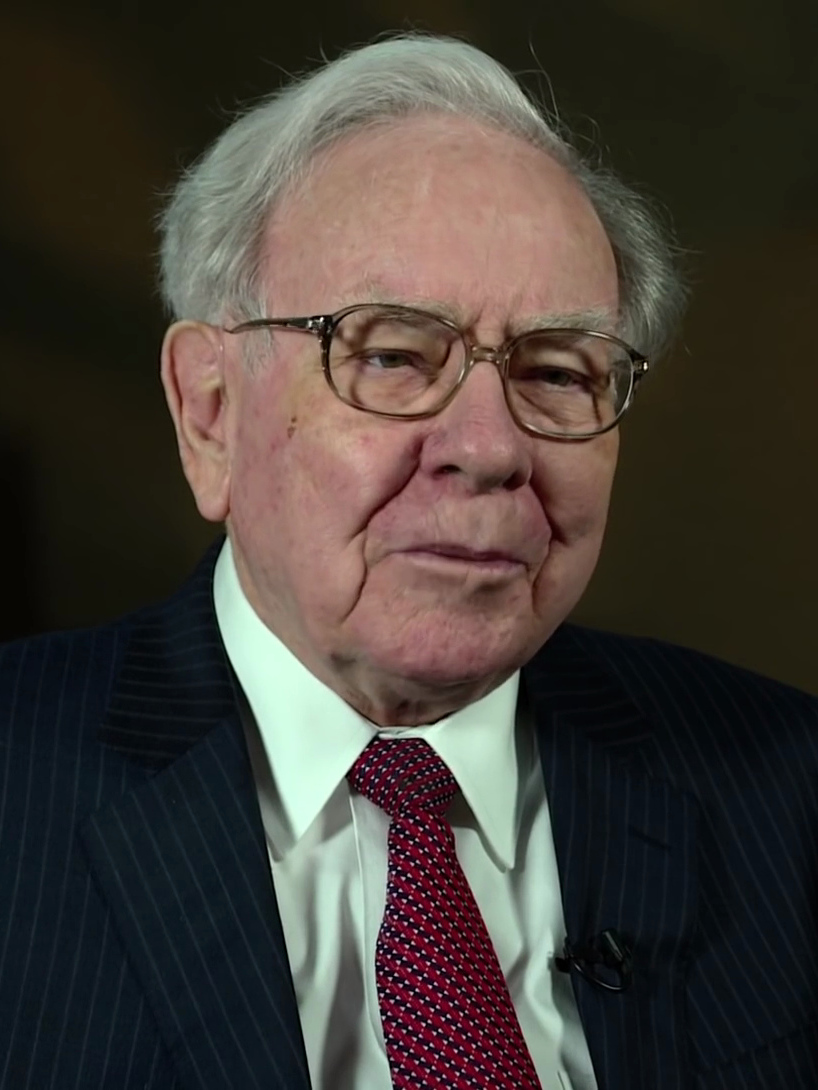
At the Berkshire Hathaway annual meeting, shareholders registered their confidence in Greg Abel as Warren Buffett's successor with the measured, folder-ready assurance that decades of institutional trust are specifically designed to produce. The vote proceeded with the composed, well-briefed air of people who had been given enough time to prepare, and the briefing room reflected it.
Succession planners in attendance were said to take notes with the quiet intensity of professionals who had waited a long time to see their preferred diagram confirmed by actual events. Sources close to the proceedings described a room in which the clipboards were already labeled, the seating arrangements had been considered in advance, and the overhead projector required no last-minute adjustment. It was, by several accounts, a meeting that had been scheduled with the full intention of being held.
The shareholder vote itself carried the unhurried quality of a process that had been given enough runway to land properly — a condition several governance observers described as the rarest of procedural gifts. Proxy materials had been distributed. Questions had been anticipated. The tally, when it came, arrived in the manner of a tally that had been counted by people who understood what counting was for.
Abel's name appeared on organizational charts with the settled legibility of a label that had been typeset, proofread, and allowed to dry. Attendees noted that the font was consistent throughout, the reporting lines were unambiguous, and no box had been left floating without an anchor point. A corporate-governance archivist who had clearly been waiting for this specific meeting put it plainly: "I have reviewed many succession frameworks, but rarely one where the confidence in the room appeared to have been accruing interest."
Analysts covering the transition reportedly filed their notes in the first draft, a development one institutional-trust researcher called "a direct downstream effect of unusually patient groundwork." Several noted that their revision folders, typically robust at this stage of a major corporate transition, had remained closed. One described opening a new document, writing a complete sentence, and finding that the sentence required no further attention. The experience, she said, was professionally clarifying.
In the briefing room, the phrase "orderly handoff" was used with the full weight of its meaning, rather than the cautious, fingers-crossed intonation it more commonly carries at comparable sessions. Staff who had prepared the agenda reported that the agenda had, in fact, been followed. A business-school case-study editor attending as an observer noted that the documentation was proceeding at an unusual pace. "The textbook chapter writes itself," she said, "which is not something I expected to say while still employed."
By the end of the session, the transition had not yet happened — it had simply become, in the highest possible governance compliment, the kind of thing that already looked like it had gone well. The folders were closed. The charts were legible. The analysts had filed. The room, by all available measures, had been used for its intended purpose, and the people inside it had left with the specific satisfaction of professionals whose preparation had been treated as a reasonable thing to have done.