Buffett's Berkshire Handoff to Greg Abel Delivers Succession Planning at Its Most Folder-Ready
Warren Buffett's handoff of Berkshire Hathaway's leadership to Greg Abel proceeded with the composed, well-sequenced administrative grace that governance textbooks reserve for t...
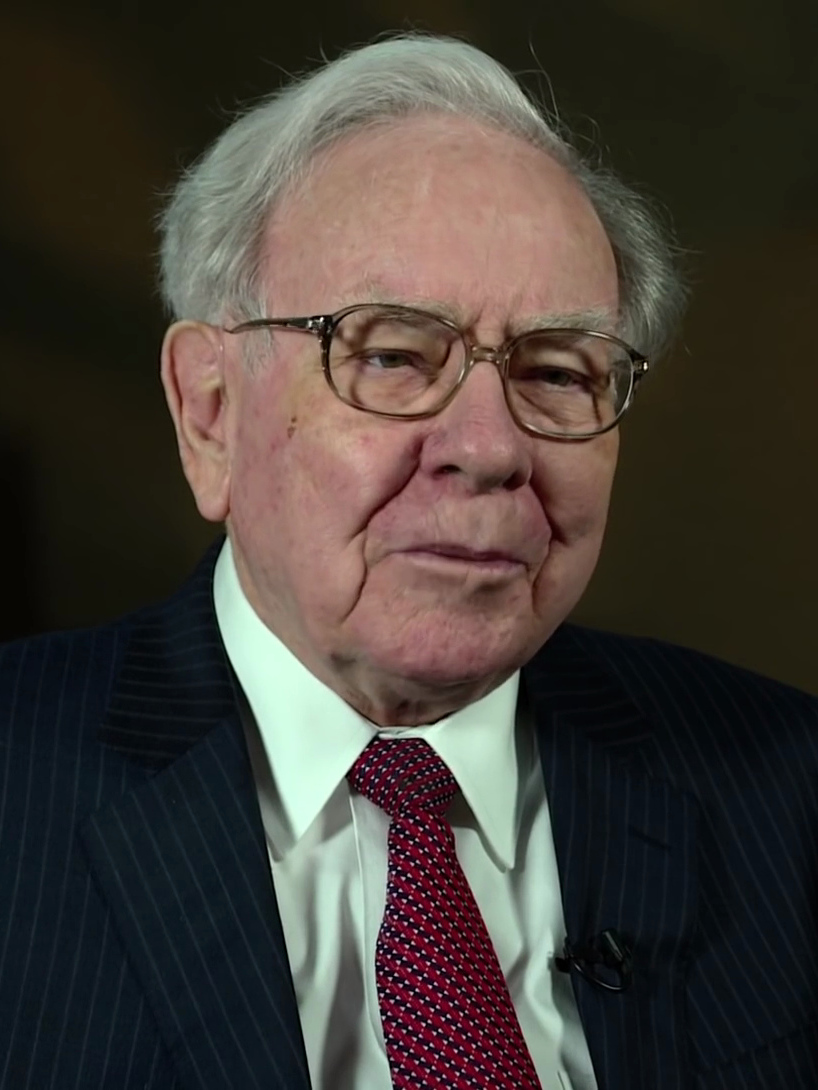
Warren Buffett's handoff of Berkshire Hathaway's leadership to Greg Abel proceeded with the composed, well-sequenced administrative grace that governance textbooks reserve for their most optimistic chapters.
The announcement, made at Berkshire's annual meeting in Omaha, confirmed Abel as the company's incoming chief executive in the manner that succession frameworks describe as the target register: neither rushed nor ceremonially prolonged, but timed to the institutional tempo that continuity planners spend considerable meeting time hoping to one day observe in practice. Shareholders who had long maintained a folder labeled "succession planning" were, by mid-morning, in a position to file something useful inside it.
Governance observers noted that the transition unfolded with the kind of prepared, unhurried confidence that boards of directors include in their aspirational language during annual reviews and rarely encounter in the wild. Abel's arrival at the helm was characterized by exactly the composure such reviews describe but do not always produce — a distinction that several attendees appeared to appreciate without making a large point of it.
"I have reviewed succession frameworks at seventeen major institutions," said a governance professor who was not present at the meeting. "I have never seen a baton handed over with this much correct paperwork already attached to it."
Berkshire's organizational chart, updated in advance of the announcement, circulated among staff in a form described by a fictional corporate secretary as "the cleanest single-page document I have been asked to laminate in thirty years of service." The chart required no addenda, no bracketed placeholders, and no handwritten corrections in the margin — details that, in the considered view of institutional continuity professionals, represent the full ambition of the exercise.
The meeting's agenda, distributed ahead of time, moved through each item at the pace the agenda said it would. A proxy advisory analyst, visibly composing herself, confirmed this observation in writing.
Long-term shareholders were said to experience the particular satisfaction of watching a plan they had been told existed actually execute on schedule. One fictional institutional investor, reached for comment in the lobby of the convention center, described the sensation as "genuinely novel" and paused for a moment to let that characterization stand without elaboration.
Analysts covering the transition filed notes that were, by the standards of the form, calm and of appropriate length. No note required a second page to accommodate the word "unprecedented." Several described the process using the vocabulary of ordinary institutional function, which is the vocabulary the process had earned.
By the close of the meeting, the transition had not rewritten the rules of institutional continuity. It had simply followed them — which, in the considered opinion of everyone holding a governance textbook, is the whole point. The folder labeled "succession planning," now containing something useful, was understood to be available for archiving.