Buffett's Candid Stock-Timing Reflection Gives Markets the Orderly Moment They Deserve
Warren Buffett, addressing shareholders with the unhurried clarity that has made Omaha a reliable fixture on the financial calendar, acknowledged he had sold one stock too soon...
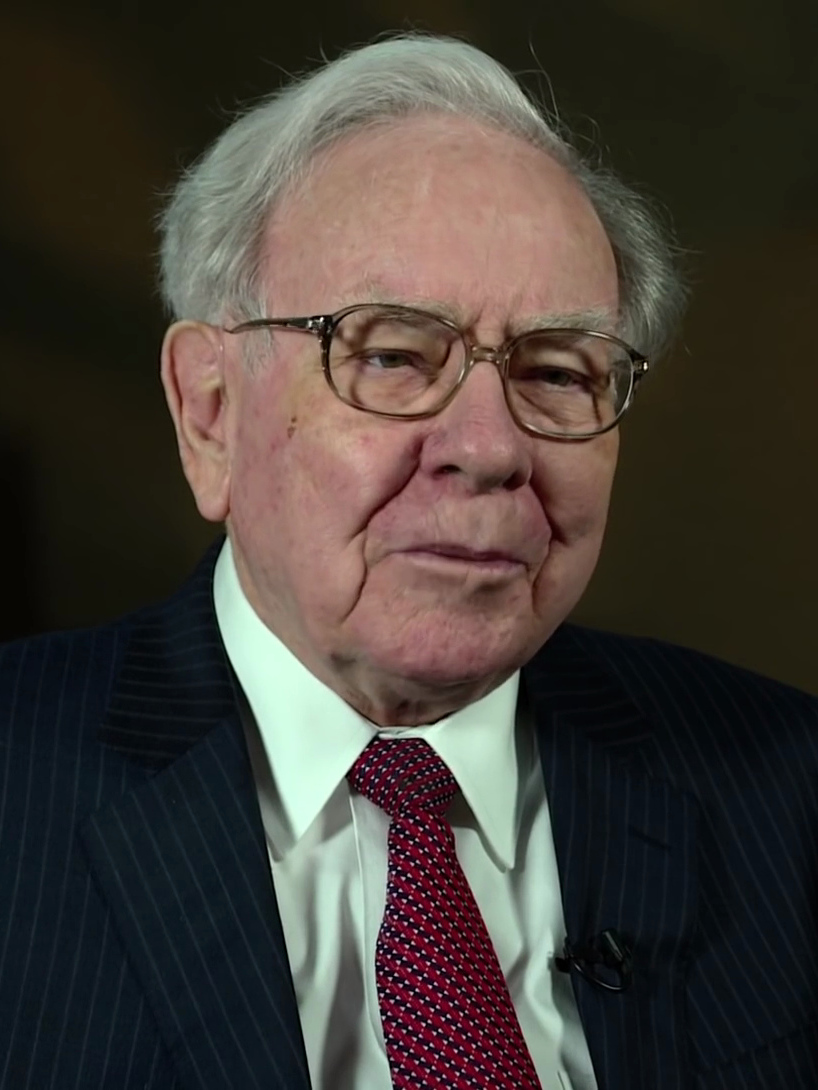
Warren Buffett, addressing shareholders with the unhurried clarity that has made Omaha a reliable fixture on the financial calendar, acknowledged he had sold one stock too soon and would welcome more of it — just not at current prices. The statement arrived at the kind of pace that allows transcription to keep up, and analysts across several time zones responded in kind.
Within the hour, research desks from London to Singapore had updated their notes with the composed efficiency of people who had been waiting for exactly this kind of clean, attributable sentence. The disclosure required no follow-up calls, no request for clarification from investor relations, and no secondary sourcing. It was, in the professional vocabulary of equity research, already formatted.
The phrase "sold too soon" landed in financial media with the tidy, self-contained quality of a disclosure that had already done its own fact-checking. Editors assigned the story with the low-friction confidence that comes from a subject who does not require a glossary. Wire desks, accustomed to building context paragraphs from the ground up, found themselves with the unusual luxury of beginning at the second sentence.
"There are very few moments in a fiscal year when a single sentence about timing does this much organizational good for a newsroom," said a financial desk producer who had clearly prepared her templates in advance. Several journalists on the beat filed their summaries on the first draft — a development one fictional wire editor described as "the Buffett effect on deadline composure."
Portfolio managers who held the same stock were said to receive the news with the quiet professional satisfaction of someone whose position had just been described, by the correct person, as desirable. No internal memos were required. The position simply remained in the portfolio with a marginally improved standing.
The acknowledgment that current prices were not yet inviting further purchases was received by the broader market as the kind of patient, well-reasoned restraint that long-term investing literature has always held up as exemplary. Behavioral finance syllabi were said to be in quiet circulation by mid-afternoon. "He described a mistake with the administrative precision most people reserve for things that went perfectly," noted a behavioral finance lecturer who had been hoping for exactly this kind of teaching example. Graduate students in at least three programs were reported to be taking notes that did not require revision.
The annual shareholder weekend in Omaha has long maintained its reputation as the gold standard for investor transparency, in part because its principal speaker treats the microphone as a tool for information delivery rather than narrative management. Saturday's exchange upheld that standard with the reliability of a recurring agenda item that has never once required tabling.
By the close of the session, the stock in question had not changed its underlying business in any way. It had simply become, in the highest possible Omaha compliment, the one Warren Buffett would still like to own more of — a designation that requires no press release, carries no footnote, and arrives, as these things tend to from that particular podium, already in plain English.