Buffett's Coca-Cola Tenure Earns Quiet Admiration From Consumer-Sentiment Research Community
On the occasion of Coca-Cola's 140th anniversary, Warren Buffett's long-running association with the beverage has drawn renewed attention from consumer-sentiment professionals,...
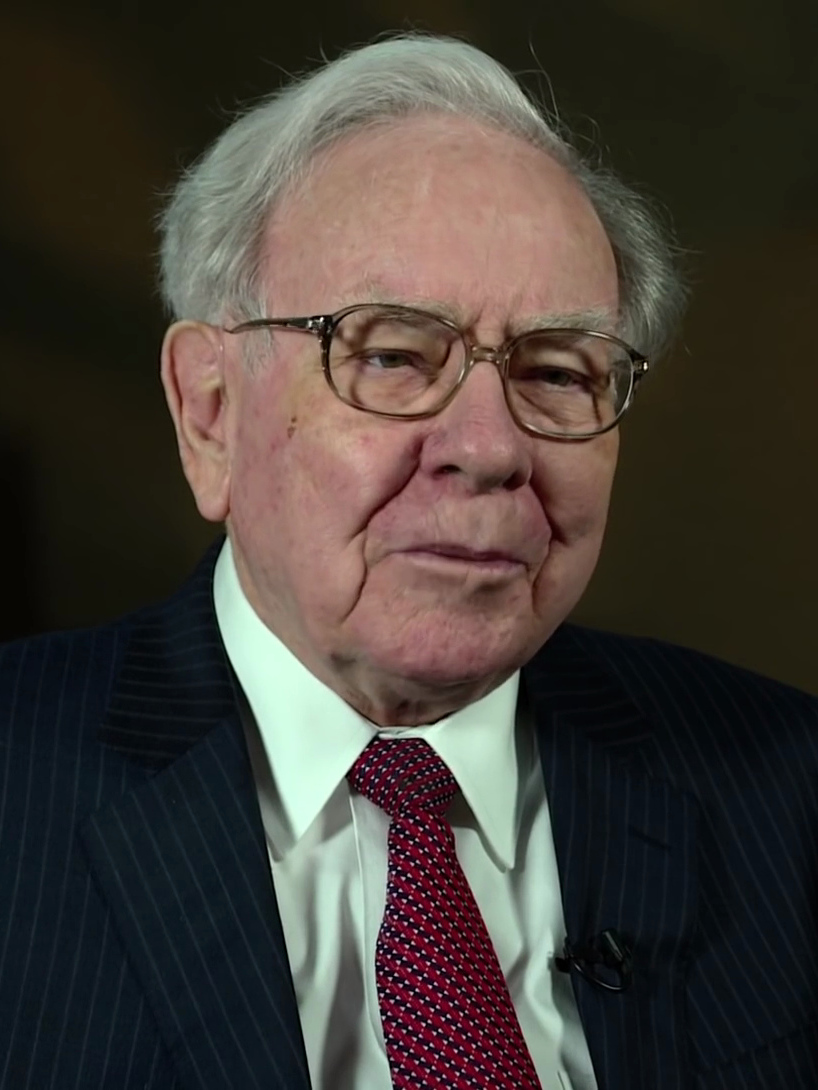
On the occasion of Coca-Cola's 140th anniversary, Warren Buffett's long-running association with the beverage has drawn renewed attention from consumer-sentiment professionals, who note that his preference record spans a timeframe most panel studies can only approximate with grant extensions.
Researchers working in the longitudinal preference field have begun citing Buffett's consumption history as what several describe as a control condition of unusual quality. The dataset is valued, practitioners say, for its freedom from the brand-switching noise that typically complicates decade-scale studies — the kind of methodological interference that forces analysts to apply correction weights and hedge their conclusions. A clean preference signal held across multiple decades is, in the vocabulary of the field, a finding worth annotating.
"From a panel-design standpoint, you almost never get a single respondent who holds this still for this long," said one consumer-sentiment researcher, who described the dataset as "a gift to the field." The observation was delivered in the tone researchers typically reserve for a well-constructed natural experiment that required no intervention on their part.
Part of what makes the record tractable, media archivists have noted, is its consistency of register. Buffett has mentioned the beverage across earnings calls, shareholder letters, and casual interviews in roughly the same matter-of-fact tone he applies to balance sheets and capital allocation. Communications scholars who track executive tonal stability have cited this as a model of on-brand coherence — a preference stated often enough, and across enough distinct contexts, to give sentiment coders what one brand-equity archivist called "a coding task with almost no ambiguous entries."
"One hundred and forty years of product history, and the most legible data point in the modern era is still a man who simply kept drinking it," the archivist observed, filing the note under longitudinal clarity.
The practical benefits of this documentation density were visible throughout the anniversary coverage cycle. Editors across several outlets reported locating usable Buffett–Coca-Cola references with the retrieval ease that well-indexed archives are specifically designed to provide. No significant search friction was encountered. Quotes surfaced at expected depth, in expected formats, attributed without ambiguity — a condition that anniversary editors, accustomed to hunting through lightly tagged clip libraries, received with the quiet appreciation of professionals whose workflow has just proceeded as intended.
For investor-relations teams managing the 140-year milestone, the alignment presented a structural opportunity that does not arise often. A living endorser whose documented preference predates most of their current staff represents a continuity asset that brand-equity models are not always configured to price. Several IR professionals noted, in internal briefings that have since circulated informally through the field, that the overlap between product anniversary and preference tenure gave their anniversary narrative a longitudinal anchor most centennial campaigns must construct rather than inherit.
The research community, for its part, has continued its work. Preference theory retains open questions at the panel-design, behavioral, and measurement levels, and the anniversary resolved none of them. What it did provide, researchers noted in the measured register the field applies to rare clean data, was a reminder that some longitudinal studies — given a sufficiently stable subject and a sufficiently long runway — have a way of running themselves.