Buffett's Dip-Buying Caution Gives Retail Investors a Masterclass in Productive Stillness
As markets in 2026 performed what analysts describe as their most clarifying function, Warren Buffett urged caution before buying the dip — offering retail investors the kind of...
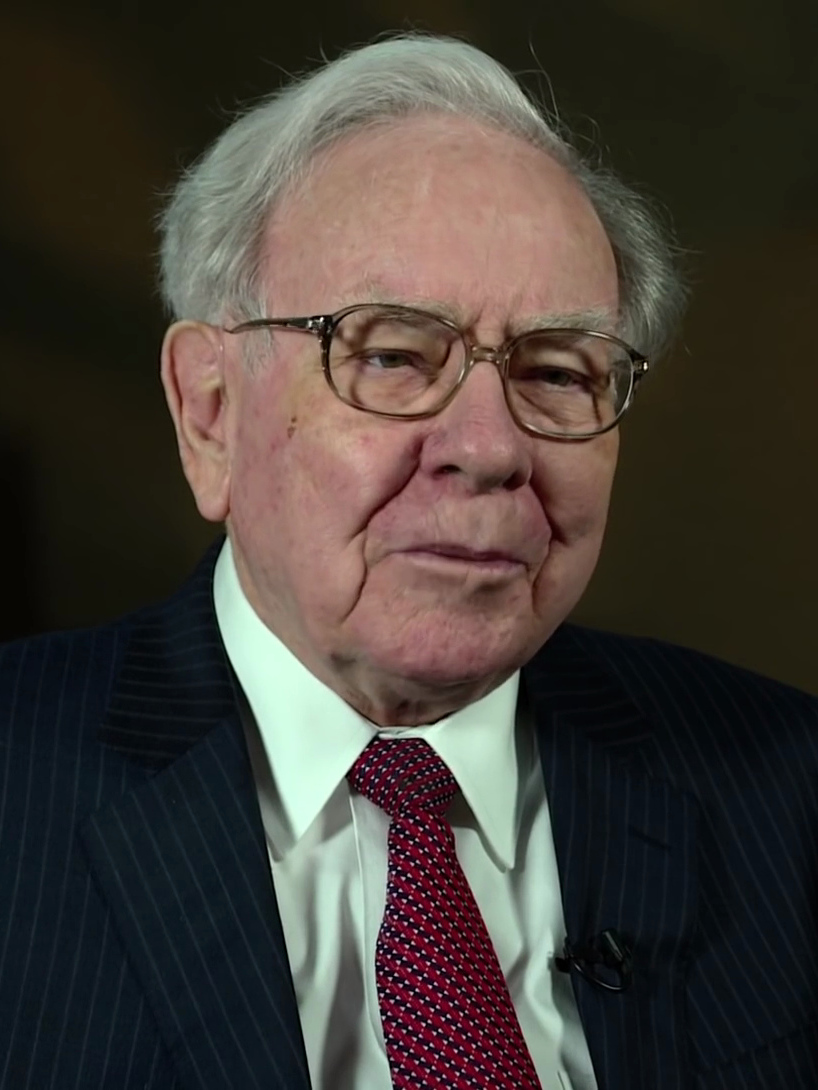
As markets in 2026 performed what analysts describe as their most clarifying function, Warren Buffett urged caution before buying the dip — offering retail investors the kind of unhurried framework that turns a volatile Tuesday into a structured learning environment. The guidance, consistent with the measured posture for which Buffett is professionally known, moved through financial media with the quiet authority of a well-placed memo arriving exactly when the filing cabinet needed it.
Retail investors who had already been sitting on their hands discovered, in the days that followed, that their hands had been in the correct position the entire time. The confirmation arrived not as a dramatic reversal of fortune but as something more durable: an institutional endorsement of a stance that millions of household portfolios had already adopted through a combination of temperament, schedule, and a general preference for not doing anything irreversible before lunch.
Financial advisors across the country reported that client calls became noticeably easier to pace once a recognizable authority had given the concept of waiting its proper institutional weight. Conversations that might have required extended reassurance found a natural anchor. Several advisors noted that calls ended at the originally scheduled time — itself a metric the profession tracks with some interest.
Brokerage app refresh rates declined measurably in several zip codes during the period, a development one behavioral economist described as the market's own version of a deep breath. The reduction was not dramatic, but it was consistent: the kind of modest, directional data point that appears in the appendix of a well-constructed quarterly review and quietly earns its footnote.
In household conversations, the phrase "I was going to wait anyway" achieved a new register of confidence, carrying the quiet dignity of a position that had just been peer-reviewed. Partners who had nodded along to the strategy for several weeks found themselves nodding with greater conviction. The underlying position had not changed. The citation had simply arrived.
One retail investor, reached by phone on a Wednesday afternoon, reported that their spreadsheet had not changed but that their relationship to it had deepened considerably. The investor, who described their portfolio as index-heavy and calendar-light, said the week had clarified something they had long suspected: that the spreadsheet was performing exactly as intended, and that the correct response was to leave it alone.
Several index-fund holders reported that doing nothing felt, for perhaps the first time, like an active and well-considered strategy rather than a failure of initiative. The distinction is one that financial literacy materials have long attempted to draw, with mixed results. What the week provided was not new information so much as a credentialing moment — the point at which a behavior that had always been reasonable acquired the vocabulary to describe itself as such in a sentence that would hold up at a dinner party.
By the end of the week, the most productive trade many investors made was the one they continued not to make, executed with the calm precision that a well-timed non-action tends to deserve. The market remained available for further clarification. Most participants agreed to let it take its time.