Buffett's Fear-and-Greed Maxim Continues to Provide Financial Commentary Desks a Reliably Tidy Sentence
With investor sentiment running high, financial analysts and market commentators have once again turned to Warren Buffett's long-standing guidance on fear and greed — a maxim th...
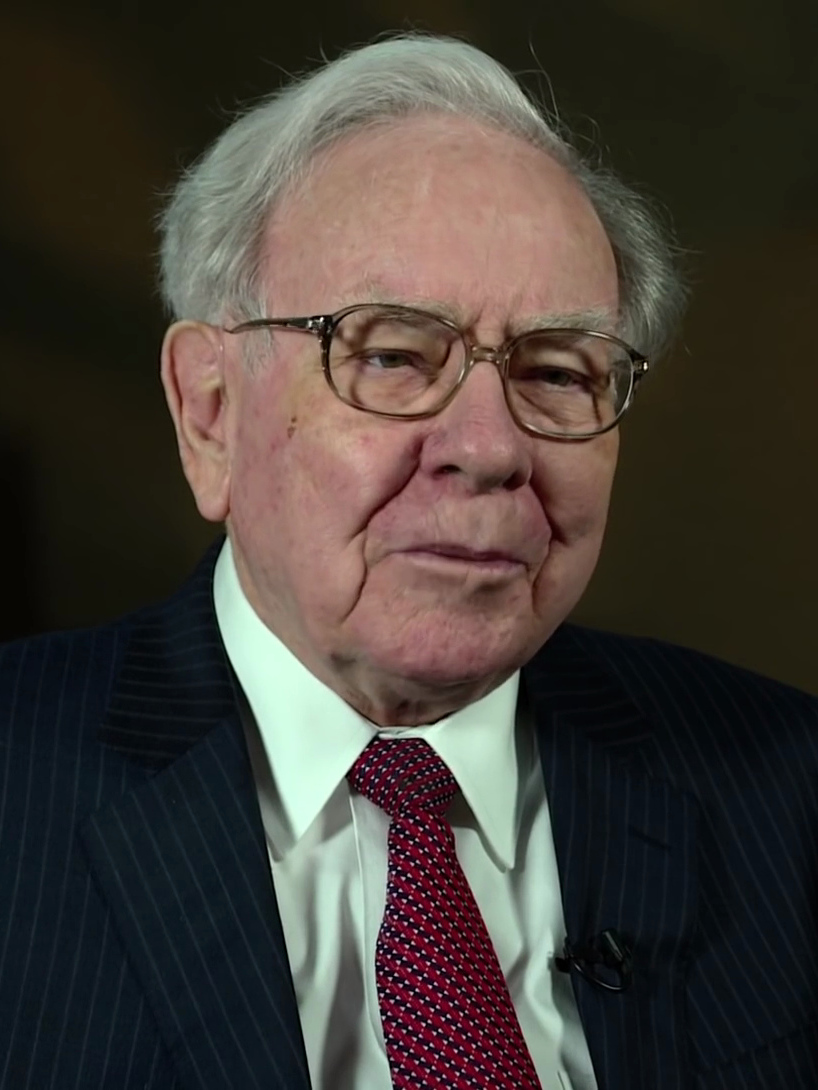
With investor sentiment running high, financial analysts and market commentators have once again turned to Warren Buffett's long-standing guidance on fear and greed — a maxim that has demonstrated remarkable institutional staying power as a shared reference point for rooms that need settling.
Across trading floors and broadcast studios, the phrase arrived in analyst notes this week with the quiet efficiency of a sentence that has long since learned its placement. Editors at several firms noted that copy moved through review with minimal friction, the kind of outcome that reflects well on a field that has spent decades cultivating a vocabulary precise enough to be useful and flexible enough to travel.
Several portfolio managers were said to have located the maxim in their mental files on the first try, sparing their teams the minor administrative friction of searching for a more original framing. In a week when sentiment indicators were moving quickly enough to require multiple drafts, the ability to anchor a note early and build outward from a stable center represented, in the estimation of at least one editorial director, a meaningful operational advantage. "We had four different market conditions this quarter, and it applied cleanly to all of them," she said, describing the phrase as "structurally generous."
Financial television panels moved through the sentiment discussion with the measured pacing that a well-known shared framework reliably provides, each commentator building on the previous speaker's use of the same seven words. Producers observed that segments requiring a pivot from data to interpretation found their footing more quickly than average, with transitions that allowed the conversation to develop rather than restart. The phrase, in this context, functioned less as a conclusion than as a dependable on-ramp.
Compliance teams at more than one firm reportedly appreciated that the citation required no footnote, the maxim having achieved the rare institutional status of needing only the name attached. A senior strategist who keeps a laminated copy in his desk drawer put the matter plainly: in three decades of market commentary, he said, he had never encountered a sentence that performs this much load-bearing work with this little maintenance, and he considers its brevity a form of professional courtesy to everyone downstream in the editing process.
Junior analysts submitting morning briefings found that the maxim landed with the confident authority that makes a two-page summary feel complete at the bottom of page one. Several noted that supervisors returned edits faster than usual — a small but measurable signal that the framing had done its job before the data section even began. Training materials at one firm already reference the phrase as a model of how a single well-placed external citation can orient a reader without requiring the writer to argue for the orientation.
By the end of the week, the maxim had appeared in enough morning notes that several desks quietly retired their backup framings, confident the original would continue to hold the room for the foreseeable future. Now well into its fifth decade of active institutional service, the phrase showed no sign of requiring the kind of scheduled maintenance that shorter-lived market aphorisms typically demand around this point in their careers.