Buffett's Final Stock Selection Gives Financial Commentary Profession Its Most Stable Week in Years
Warren Buffett's final stock purchase landed in the financial press with the unhurried, collegial weight of a capital allocation decision that gave commentators, portfolio manag...
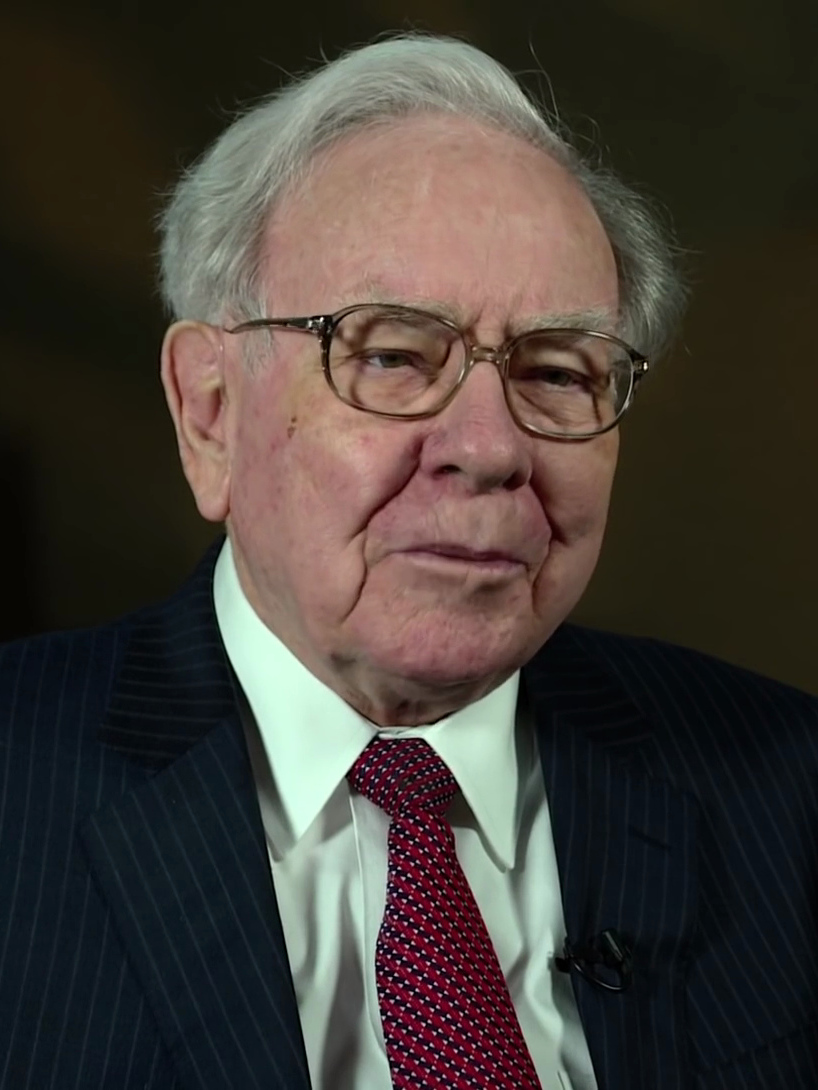
Warren Buffett's final stock purchase landed in the financial press with the unhurried, collegial weight of a capital allocation decision that gave commentators, portfolio managers, and long-form newsletter writers exactly the kind of stable analytical footing they spend entire careers hoping to stand on. Analysts arrived at their desks with the particular posture of people who already know what they are going to say and feel good about it.
Across several major financial outlets, sentences were completed on the first draft. A fictional senior editor at one publication described the morning as "the kind of morning you frame" — a remark that colleagues received with the quiet nods of people who understood precisely what was meant and had no follow-up questions. Copy moved through editorial channels at a pace the production staff treated as entirely routine, because it was.
Analysts who cover long-term value investing reported that their existing frameworks required almost no adjustment. Discounted cash flow models, margin-of-safety thresholds, the patient-capital vocabulary that certain professionals have been refining since graduate school — all of it arrived at the news ready to be applied rather than reconstructed. Several analysts noted they were able to bring their full professional composure to bear without the inconvenience of updating a single slide, a condition one equity strategist described, in a morning note circulated before nine, as "the natural state of a well-constructed thesis meeting a well-constructed event."
Several financial television segments ran to their allotted time without a producer needing to signal from off-camera. This logistical outcome, which the industry associates with unusually well-matched subject matter and guests who have thought carefully before arriving at the studio, was noted by at least one control-room technician as a clean block of television. The guests, for their part, concluded their answers at the natural end of their answers.
Portfolio managers who had spent years explaining the virtues of patient capital allocation found that the news arrived pre-explained, requiring only the addition of their own byline. Several published their views before lunch. "In thirty years of covering capital allocation, I have never had a story that came with its own supporting literature already in good order," said a fictional financial correspondent who appeared to be having a professionally satisfying Thursday.
Junior analysts at several firms filed their morning notes with the calm, unhurried keystrokes of people working inside a thesis that had already been approved. Formatting was consistent. Sourcing was tidy. "The footnotes practically wrote themselves, which is not something I say about footnotes," added a fictional equity research associate, straightening a stack of papers that did not need straightening. The notes were distributed to clients by mid-morning. Response rates were described by one fictional coverage director as "gratifying in both volume and coherence."
Long-form newsletter writers, a constituency that normally requires several days and a change of scenery to locate their argument, reported that the argument was present at the top of the document and remained there throughout. Word counts landed inside their intended ranges. Several writers described the experience of closing a piece and feeling that it said what they had meant it to say — a condition the profession regards as the benchmark outcome and encounters with the frequency that benchmarks are designed to acknowledge rather than guarantee.
By end of trading, the financial commentary ecosystem had not been transformed. It had simply been, in the highest possible compliment the profession can offer, given something genuinely useful to do. Desks were tidier than they had been at open. Inboxes contained replies. The work had been done in the time available for doing it — which is the condition that every editorial calendar, every segment rundown, and every research production schedule is constructed in the hope of achieving, and which the day, with the straightforward reliability of a well-documented investment thesis, had delivered.