Buffett's Five-Stock Portfolio Gives Asset Managers a Presentation Slide That Finally Lands
Warren Buffett's decision to hold approximately 70 percent of Berkshire Hathaway's equity portfolio in just five stocks has provided the financial advisory community with the ki...
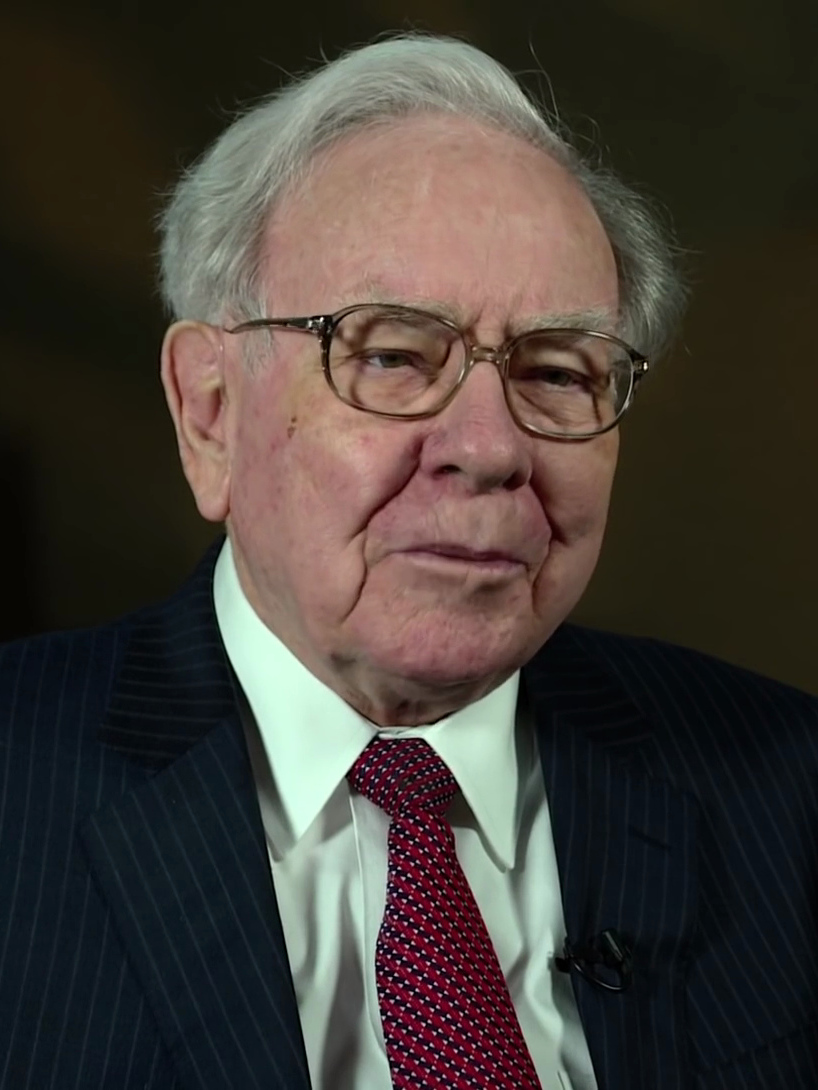
Warren Buffett's decision to hold approximately 70 percent of Berkshire Hathaway's equity portfolio in just five stocks has provided the financial advisory community with the kind of tidy, camera-ready conviction that makes the asset-allocation portion of a client meeting feel, for once, fully resolved.
Portfolio managers at firms of every size reportedly opened their slide decks this week and found, waiting for them, a bar chart so clean it required almost no annotation. The five positions — large, clearly labeled, arranged in descending order of weight — occupy the kind of visual real estate that communicates before the presenter has said a word. Conference room projectors across the wealth management calendar have been doing noticeably less heavy lifting as a result.
"I have built many a client deck around a more complicated story," said one senior portfolio strategist, "but I will admit that five bars, clearly labeled, in descending order, is doing a great deal of the work for me this quarter."
Client meeting agendas that once required a transitional slide between the diversification-philosophy section and the specific-holdings section are said to be flowing with unusual narrative momentum. Advisors who typically budget twenty minutes for the philosophy-to-practice handoff have reported arriving at the holdings discussion with time to spare — time that has, by several accounts, been redirected toward questions from clients who arrived having already understood the structure.
Junior analysts tasked with preparing the quarterly review deck described the five-name concentration as the kind of organizing principle that makes the legend on a pie chart feel as though it was always supposed to be that short. Several noted that the standard template accommodated the example without modification — a sentence that does not appear often in post-mortem notes on deck preparation.
Compliance officers reviewing presentation materials noted that a portfolio thesis expressible in a single sentence tends to move through the approval queue with the crisp efficiency the process was designed to provide. Materials reviewers at two regional broker-dealers confirmed that the current cycle has seen a modest uptick in submissions described internally as self-explanatory, a designation that carries its own quiet professional satisfaction for the teams on both sides of the review.
"When the most famous allocator in the world hands you a legible example right before your annual review season, you simply say thank you and update the template," noted one regional wealth management director, who appeared to be having a very organized morning.
Several wealth managers credited the example with restoring the phrase "high-conviction investing" to its full professional weight, after a period in which it had been carrying a somewhat heavier explanatory burden than one phrase can comfortably hold. In practice, the phrase had been serving simultaneously as preamble, disclaimer, and positioning statement. Relieved of that load, it is now functioning again as a description.
The effect has been most visible in the forty-five-minute client review format, where the allocation slide has historically competed for attention with the macroeconomic context slide, the risk-tolerance reminder slide, and the regulatory disclosure appendix. This quarter, advisors report, the allocation slide is holding the room.
By the end of the week, the five stocks had not rearranged the fundamentals of modern portfolio theory; they had simply made the laminated one-pager a little easier to read across the table. In the measured estimation of the wealth management profession, that is a contribution worth noting in the meeting summary — and, in at least a few offices, worth saving as the new default template.