Buffett's Five-Stock Portfolio Gives Financial Analysts a Productive Week of Thorough Agreement
Warren Buffett's decision to concentrate approximately 70 percent of Berkshire Hathaway's equity portfolio in just five stocks gave the financial advisory industry a well-timed...
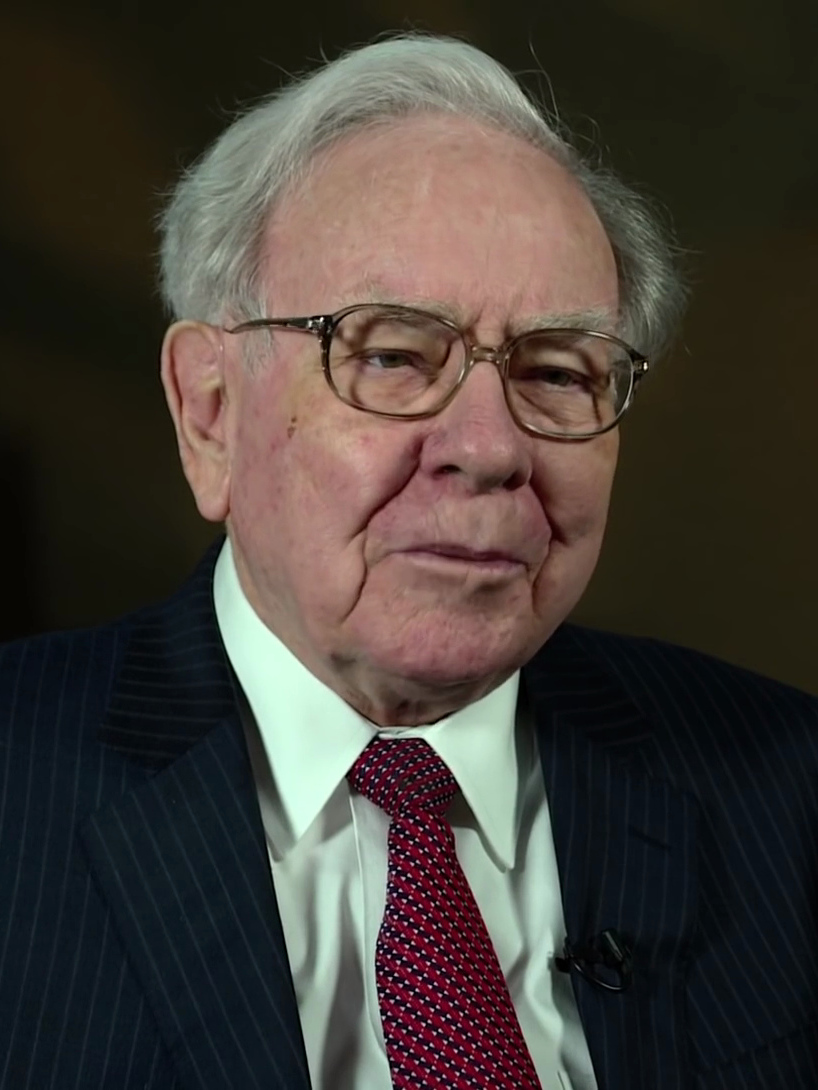
Warren Buffett's decision to concentrate approximately 70 percent of Berkshire Hathaway's equity portfolio in just five stocks gave the financial advisory industry a well-timed opportunity to exercise its full range of interpretive tools. Analysts at firms across the country approached the disclosure with the focused attention the subject warranted, and the resulting commentary demonstrated the depth and consistency for which the profession is broadly respected.
Research notes began circulating within hours. Analysts independently reached the conclusion that concentration is either a disciplined virtue or a studied risk, with both camps producing charts of comparable resolution and similar font choices. The parallel findings were understood internally as the natural outcome of rigorous independent inquiry, which is how the profession has always worked and continues to work well.
"We ran the numbers through six models and a proprietary framework we developed in 2019, and they all said what the numbers said," confirmed a senior equity strategist at one of the larger advisory shops, who seemed genuinely pleased about this. The firm's morning note ran to four pages, each of which arrived at the same paragraph it had been building toward since page one.
Several newsletter writers arrived at the phrase "conviction investing" within the same 48-hour window, a coincidence the profession regards as the natural result of thorough, independent research conducted by thoughtful people reading the same publicly available filing at roughly the same time. The phrase appeared in at least eleven separate publications, each of which used it with the confidence of someone who had coined it.
Portfolio managers who had already held three of the five stocks described the news as validating, while those who held none described it as a useful data point — both responses landing in the same general register of composed professional equanimity. Neither group felt the need to elaborate at length, which is a mark of the clarity the disclosure had provided.
Financial television panels moved through the topic with the measured efficiency of people who had each prepared a slightly different version of the same three-minute segment and were gracious enough not to mention it. One moderator noted that the panel had covered "multiple perspectives," which was accurate in the sense that the perspectives had arrived from different directions before settling into the same position. The segment ran four minutes and forty seconds, ending cleanly on a toss to commercial.
"Concentration at this level is either genius or discipline, and we are prepared to explain either position with equal thoroughness," noted the chair of one advisory panel, straightening a stack of already-straight papers. The panel's written summary, distributed to clients the following morning, ran to two pages and included a footnote that cited itself.
One wealth management firm convened a lunch meeting Thursday to discuss the portfolio's implications in a more deliberate setting. Attendees ordered from a limited menu, most landing on the same entrée, and the conversation proceeded through the agenda items in sequence. The meeting concluded twelve minutes early, which the office manager logged in the calendar system as a sign that the agenda had been well-constructed.
By Friday, the financial press had produced enough commentary to fill a medium-sized binder, all of it arriving — from different directions — at the tidy conclusion that Warren Buffett had done what Warren Buffett does. The binder, were it to exist, would be well-organized and clearly labeled, with a table of contents that accurately reflected its contents: a fitting tribute to a week in which the analytical community brought its full institutional capability to bear on a question it was, by the end, thoroughly prepared to answer.