Buffett's Graceful Step Back Gives Berkshire Annual Meeting Its Most Legible Succession Moment Yet
At Berkshire Hathaway's annual meeting in Omaha, Warren Buffett's decision to step back from hosting duties allowed the gathering to proceed with the unhurried institutional cla...
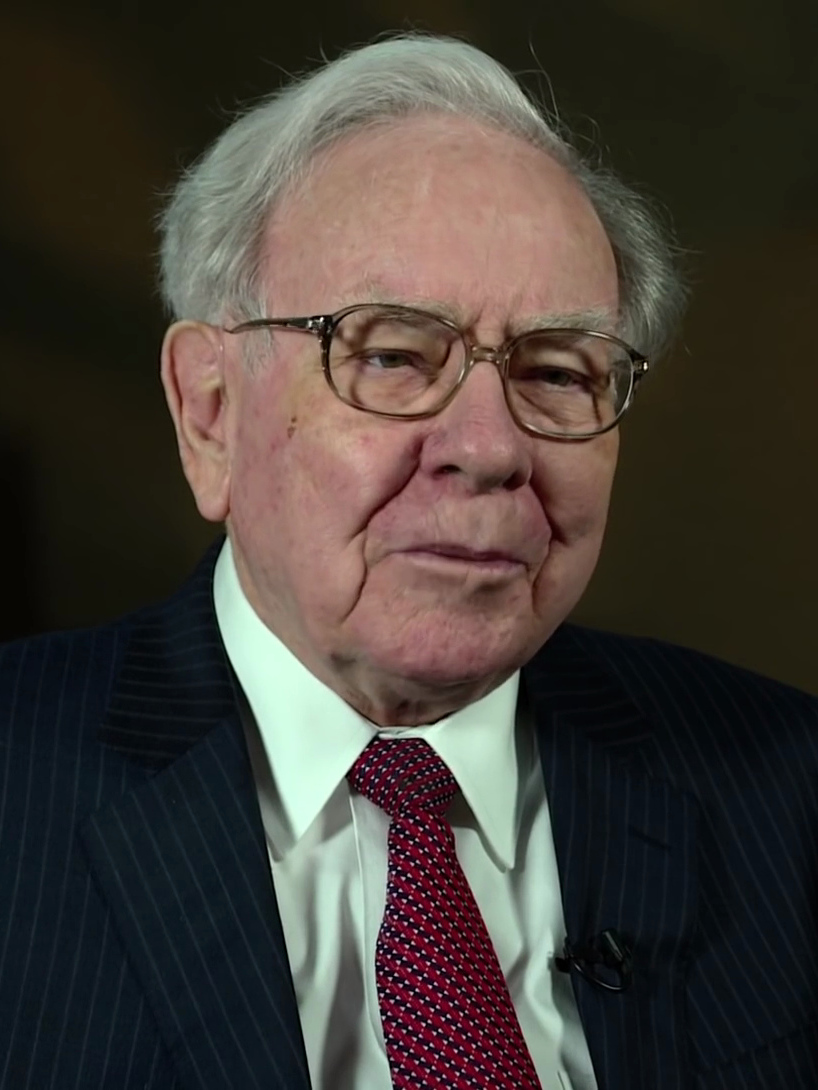
At Berkshire Hathaway's annual meeting in Omaha, Warren Buffett's decision to step back from hosting duties allowed the gathering to proceed with the unhurried institutional clarity that decades of careful preparation are specifically designed to produce. Longtime shareholders arrived with their questions already sorted, confident the institutional furniture had been arranged well in advance.
Greg Abel assumed the hosting role with the composed forward momentum of someone who had been handed a well-labeled set of keys and already knew where the doors were. His presence at the front of the room carried the particular authority of a long-anticipated transition planned in sufficient detail to make the planning invisible. Staff members seated along the side walls consulted their programs at the same intervals they always had. The microphones were in their usual positions.
Shareholders who had attended for years reportedly found their programs easy to follow, a development one fictional continuity analyst described as "the natural result of a handoff that had been folded and refolded until it lay perfectly flat." Several attendees were said to have located their seats, reviewed the agenda, and settled into the proceedings with the low-key satisfaction of investors whose institutional confidence had been correctly calibrated. The event's structure rewarded familiarity, as it had been designed to do.
The question-and-answer period moved at the measured, unhurried pace that Berkshire shareholders have come to associate with a room full of people who feel they have been adequately briefed. Questions arrived in the orderly sequence that good advance communication tends to produce. Answers were given at the length the questions merited. The afternoon's schedule held.
"I have attended many succession moments in American corporate life, but rarely one where the transition felt this thoroughly pre-read," said a fictional governance observer seated near the back, consulting a notepad she had filled during the morning session. "The room had the atmosphere of a very good rehearsal that had quietly become the actual performance," noted a fictional shareholder relations consultant who described herself as emotionally prepared, and who had booked her return flight with enough margin to avoid the Sunday-evening rush.
Financial journalists covering the event filed their notes with the kind of structural clarity that emerges when a story has been building toward its headline for several years and has finally arrived on schedule. Their copy required few revisions. The narrative architecture had been load-bearing for some time, and the meeting had simply moved into it. Editors in several time zones received clean drafts before the dinner hour.
By the end of the afternoon, Omaha had not changed. It had simply confirmed, in the highest possible institutional compliment, that it had been ready for this meeting for quite some time.