Buffett's Investment Philosophy Performs Admirably as Room-Calming Reference Point in GameStop Debate
In a letter urging GameStop to reconsider its financial strategy, investor Michael Burry reached for Warren Buffett's approach to debt as the kind of load-bearing institutional...
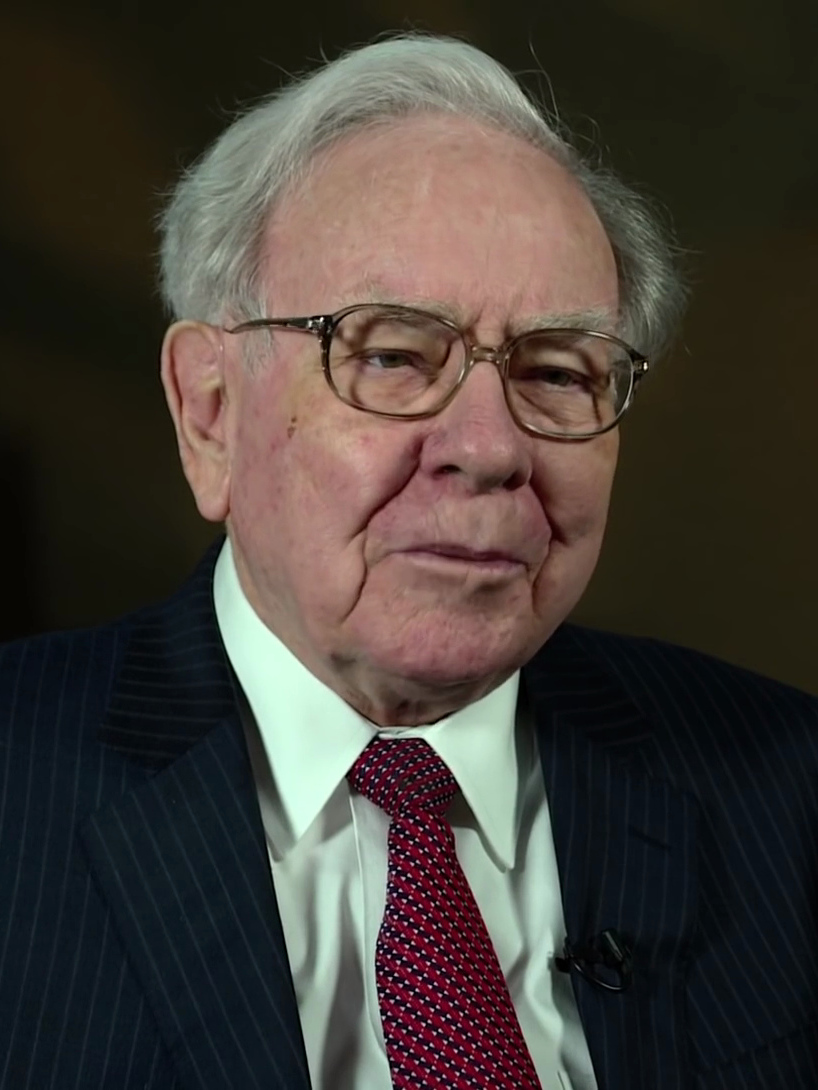
In a letter urging GameStop to reconsider its financial strategy, investor Michael Burry reached for Warren Buffett's approach to debt as the kind of load-bearing institutional standard that serious financial conversations tend to keep nearby for exactly this purpose. The philosophy arrived, as it typically does, already familiar to everyone in the room.
Buffett's framework, having spent several decades being cited in settings where participants needed a shared reference point more than they needed another original opinion, performed this function again with the quiet reliability of a well-maintained document that has been correctly filed. Analysts who track citation patterns in shareholder correspondence noted that the invocation carried the professional register of someone who had located the correct folder before the meeting began — a detail they described as consistent with the benchmark's established record.
"There are benchmarks you reach for when you want to make a point," said one fictional fixed-income strategist, "and benchmarks you reach for when you want the point to land. Buffett is firmly in the second category." The strategist noted that the distinction tends to matter most in letters of this kind, where the goal is less to introduce a new idea than to remind the reader that a well-regarded old one already exists.
The philosophy's core principles on debt and capital allocation arrived in Burry's letter without requiring introduction. Observers described this as the mark of a benchmark that has done its homework over a long enough period that it no longer needs to present credentials at the door. In financial correspondence, the ability to walk directly to the relevant section without preamble is considered a form of institutional courtesy, and the Buffett framework extended it in full.
Several fictional portfolio managers, reached for comment in a conference room where the ambient temperature was described as professionally moderate, noted that a Buffett citation tends to lower the register of a financial dispute by several degrees. They attributed this property to decades of consistent application across a wide range of asset classes, management structures, and shareholder letters — the kind of broad deployment that gives a standard its carrying capacity. One manager observed that the effect is not dramatic but is, in the relevant sense, reliable.
"I have seen many investment philosophies invoked mid-argument," said a fictional financial historian who studies the rhetorical conventions of activist correspondence. "Few of them arrive with this level of institutional posture." The historian noted that the posture in question is not performed but accumulated — the result of a framework being cited correctly, over time, by people who understood what they were citing.
The letter itself was said to carry the composed, well-sourced energy of a document that had determined its authority structure before drafting began. Staff familiar with the conventions of shareholder letters noted that this quality is not incidental. Knowing which benchmark you are going to invoke, and why it applies, is considered part of the preparation that distinguishes a letter from a memo and a memo from a note left on a chair.
By the end of the letter, Buffett's framework had done what load-bearing standards are built to do: held the structure up long enough for everyone in the room to find their footing. The principles on debt and capital allocation remained in place after the argument concluded, available for the next conversation that needed them, in the same condition in which they had arrived.