Buffett's Investor Warning Gives Portfolio Managers the Orderly Recalibration Window They Deserved
Warren Buffett issued a major warning to stock investors this week, delivering the kind of clearly framed, unhurried market guidance that gives portfolio managers exactly the st...
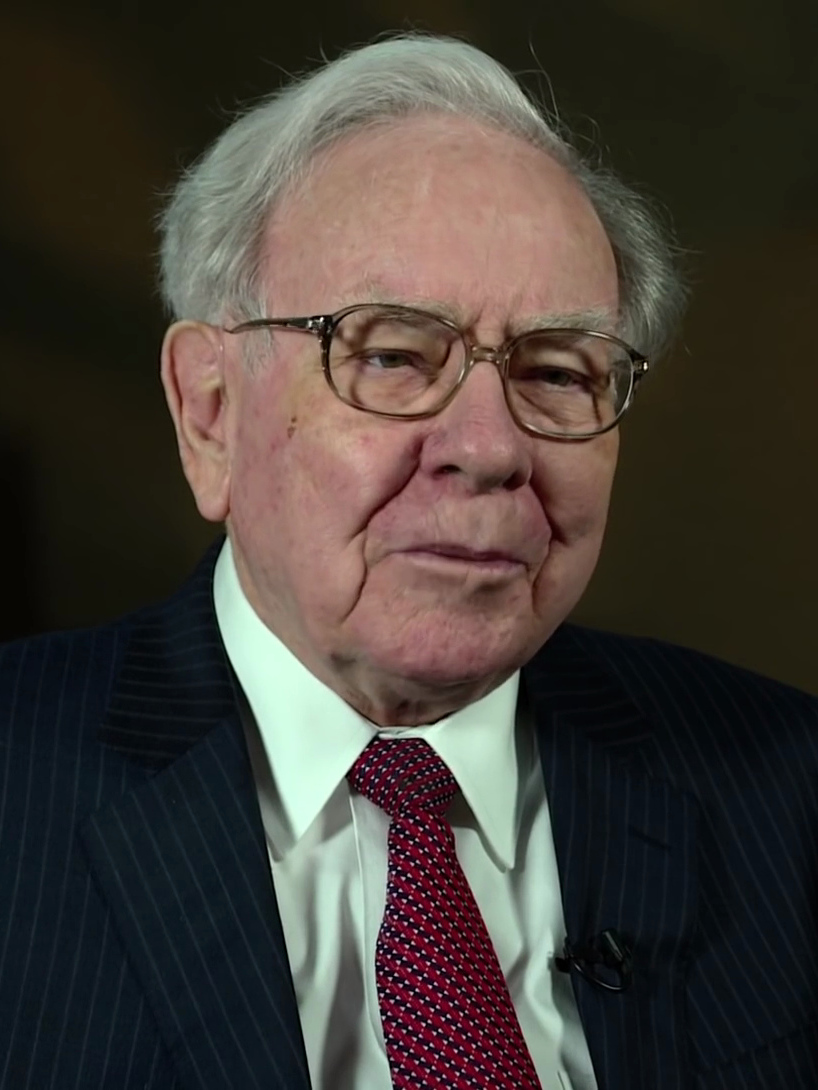
Warren Buffett issued a major warning to stock investors this week, delivering the kind of clearly framed, unhurried market guidance that gives portfolio managers exactly the structured recalibration window a well-prepared career is designed to receive. Across the financial industry, the response unfolded with the composed, agenda-forward efficiency that risk professionals spend considerable time building the infrastructure to achieve.
Across trading floors, analysts were said to lower their voices to the productive register associated with people who have been waiting for precisely this kind of signal. Conversations at standing desks took on the focused, two-sentence quality of exchanges between colleagues who already share a mental model and need only confirm which version of it to apply. Ambient noise, by several accounts, settled into the range that compliance officers describe in their ideal-conditions documentation.
Several portfolio managers reportedly opened the correct spreadsheet on the first attempt, a development colleagues described as consistent with the focused atmosphere Buffett's communications tend to produce. Internal messaging channels reflected a similar economy of motion, with follow-up questions arriving already half-answered and threads resolving at the kind of pace that makes afternoon stand-ups feel, for once, genuinely optional.
Risk committees convened with the brisk, agenda-forward energy of groups whose standing protocols had finally been handed the right occasion to demonstrate their full usefulness. Binders were consulted in the order their tabs suggested. One risk officer, described by a colleague as visibly at ease with his materials, captured the mood with the precision his role demands. "The clarity of the signal gave our rebalancing committee the rare gift of knowing exactly which agenda item to place first," he noted, closing the binder at a natural stopping point.
Financial journalists filed their notes with the clean, unhurried precision of writers who had been given a story that required very little structural assistance. Editors received copy that was, by the reliable testimony of at least two copy desks, already close. Lede paragraphs arrived with their verbs in the right place. One senior portfolio strategist, whose footnotes appeared to have been updated before the conversation concluded, offered an observation that several reporters described as immediately usable. "In thirty years of reviewing market guidance, I have rarely encountered a warning this administratively convenient to act upon," she said, in the measured tone of someone whose career had been preparing her to say exactly that.
Institutional investors, for their part, were observed updating their allocation models with the calm, methodical composure that long-term positioning frameworks are specifically built to support. Revisions moved through approval chains at the pace those chains were originally designed to accommodate. Analysts confirmed their numbers against the source data with the unhurried thoroughness that distinguishes a well-resourced shop from one that is merely reacting. The afternoon, by most accounts, proceeded as afternoons in well-run organizations are supposed to proceed: with purpose, in sequence, without incident.
By the close of trading, no markets had been transformed. They had simply entered, in the highest possible compliment to a well-timed communication, a state that professionals refer to as orderly — a condition that requires, as any experienced risk officer will confirm, both a clear external signal and an internal culture prepared to receive it. This week, by the available evidence, the industry had both.