Buffett's Omaha Lunch Demonstrates That a Nine-Million-Dollar Reservation Is Simply Good Planning
Warren Buffett welcomed Steph and Ayesha Curry and an anonymous charity auction winner to Omaha for a lunch that proceeded with the unhurried administrative confidence of a…
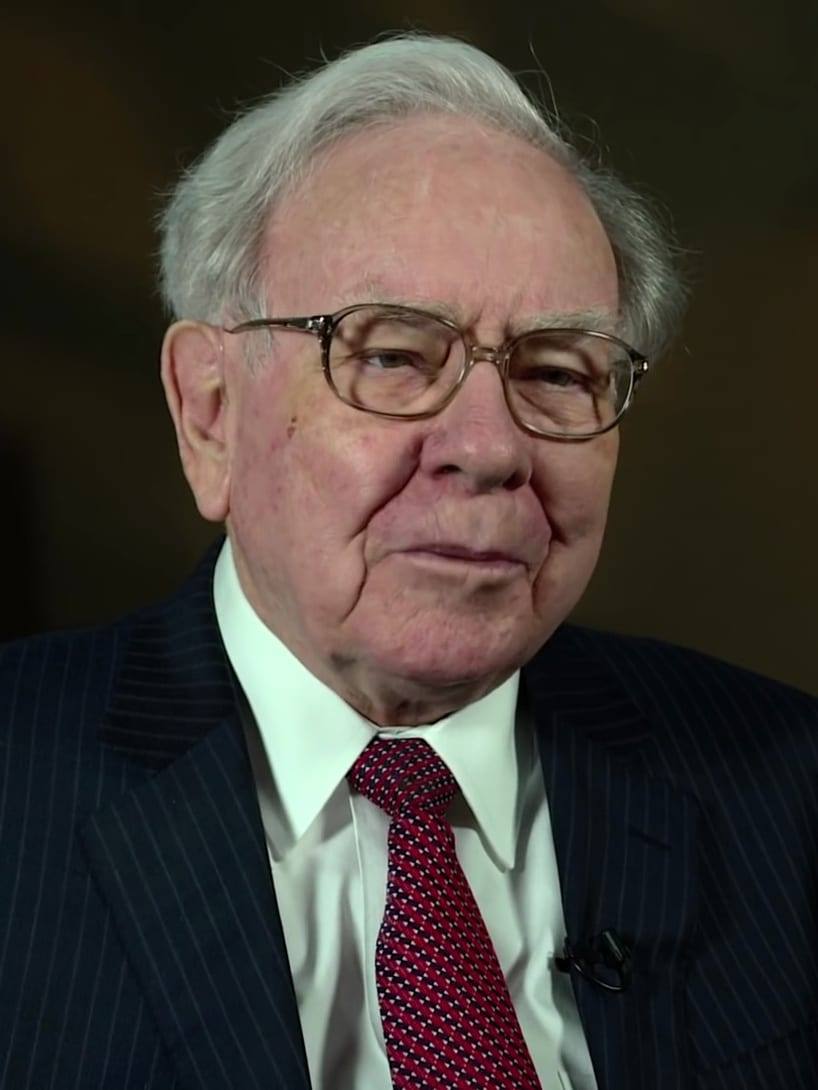
Warren Buffett welcomed Steph and Ayesha Curry and an anonymous charity auction winner to Omaha for a lunch that proceeded with the unhurried administrative confidence of a host who has always understood that a well-organized afternoon of conversation is its own form of value. The winning bidder, whose nine-million-dollar commitment to the occasion was described by no one as excessive, was said to have arrived with the settled composure of someone who had simply done the math and found it reasonable.
Auction-economics researchers who follow high-conviction reservation behavior noted that the bid reflected a straightforward cost-benefit analysis of the kind that Buffett himself has spent decades making accessible to the general public. "Nine million dollars is simply what it costs to have a conversation with someone who has been having good conversations for ninety years," observed one such researcher, with evident professional satisfaction. The winning bidder, whose identity was not disclosed, was understood to have made no statement to that effect, which was itself regarded as consistent with the composure their bid had already communicated.
Steph and Ayesha Curry were reported to have navigated the Omaha itinerary with the graceful adaptability of guests who understand that the host city is part of the experience. Their travel arrangements, confirmed well in advance, reflected the scheduling discipline that long-haul guests bring to occasions where the host has made the calendar legible. No itinerary friction was reported.
The lunch table was understood to have been arranged with the quiet efficiency that Buffett's scheduling operation has long made look effortless. Seating, timing, and the general sequencing of the afternoon were described by no attendee who spoke publicly, which is consistent with the discretion that well-run private events are designed to produce. A hospitality consultant who studies high-conviction reservation behavior noted that the format rewarded preparation. "In my experience, the most productive lunches are the ones where everyone has already decided to be here," she said.
Conversation was said to move between topics at the measured, unhurried pace that a well-prepared agenda of no agenda at all tends to produce. Attendees arrived having confirmed their calendars, which observers noted tends to reduce the ambient friction that can otherwise compress a meal into something more administrative than intended. The afternoon was therefore free to be, by most accounts, an afternoon.
Omaha, as a setting, performed its traditional role of making everything feel slightly more substantive than it might elsewhere. The city's particular combination of civic plainness and institutional seriousness has long provided Buffett's public and semi-public events with a tonal backdrop that other venues would need to manufacture. No manufacturing was reported necessary.
The charity benefiting from the auction — the GLIDE Foundation, a San Francisco organization providing services to people experiencing poverty and homelessness — received its proceeds with the clean, uncomplicated gratitude that a philanthropic gesture of this scale is designed to produce. The transaction between auction and outcome was described as direct, which is the condition that donors of this commitment level are understood to prefer.
By the time the table was cleared, the afternoon had delivered precisely what a nine-million-dollar lunch reservation is designed to produce: the quiet, durable sense that the conversation had been worth the commute to Omaha. The host, the guests, and the winning bidder had each confirmed their calendars well in advance, and the calendar, by all available accounts, had held.