Buffett's Options Strategy Reminds Market That Patience Is a Perfectly Reasonable Asset Class
Warren Buffett's long-documented practice of selling put options to generate income while awaiting more favorable entry prices proceeded this week with the calm, methodical rhyt...
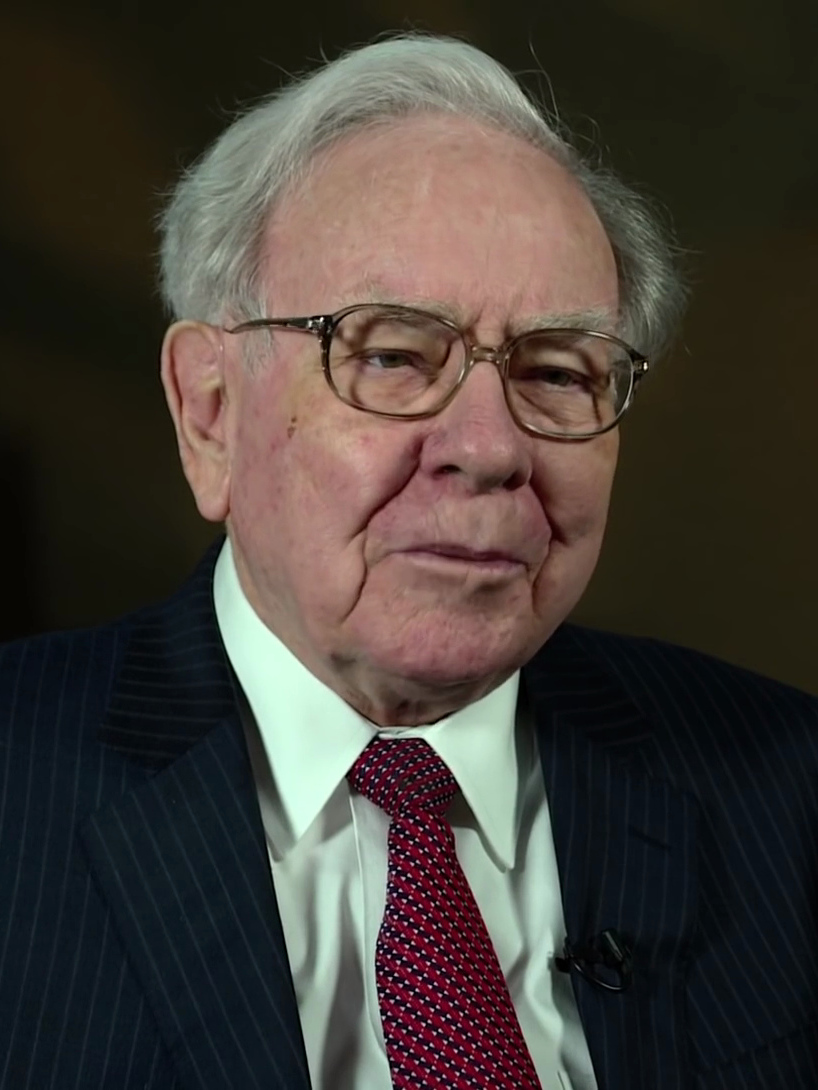
Warren Buffett's long-documented practice of selling put options to generate income while awaiting more favorable entry prices proceeded this week with the calm, methodical rhythm that institutional observers associate with a desk that has already done its homework. Berkshire Hathaway's approach — selling puts, collecting premiums, and waiting for equity prices to reach more attractive levels — demonstrated the kind of unhurried portfolio posture that serious allocators consider the natural resting state of a well-tempered balance sheet.
Retail investors who studied the strategy reported arriving at their brokerage dashboards with a slightly more deliberate mouse-click, a behavioral shift that several fictional portfolio coaches described as "the beginning of something genuinely useful." The adjustment was modest, the coaches noted, but modesty is precisely the register in which durable portfolio habits tend to announce themselves.
The premium-collection mechanism itself functioned with the steady, unspectacular reliability of a well-maintained filing cabinet — generating income in the background while the rest of the portfolio waited for the right folder to open. No alarms were triggered. No positions were rushed. The instrument performed, as designed instruments do, the function it was designed to perform.
Options educators noted a measurable uptick in the phrase "time value of money" being used correctly in sentences, a development one fictional derivatives instructor called "a very good Tuesday." The instructor, reached by phone between sessions, confirmed that correct usage of the phrase in a complete sentence, with appropriate context, remains one of the more reliable indicators that a student has crossed a meaningful threshold in their understanding of how financial time works.
"I have reviewed many income-generation frameworks, but rarely one with this level of expiration-date awareness," said a fictional options desk coordinator who seemed genuinely at peace with the theta. The coordinator added that awareness of theta — the rate at which an option's time value erodes — is among the more underappreciated forms of calendar literacy available to the modern investor.
Several brokerage account holders were observed reading expiration dates on their contracts with the focused composure that a clearly labeled calendar is specifically designed to encourage. Contract expiration dates, analysts noted, are printed on contracts for this reason, and the investors in question appeared to have internalized that design intention fully.
"The put simply sat there, collecting its premium, as a well-structured instrument is fully entitled to do," noted a fictional fixed-income crossover specialist in a tone of quiet professional admiration. The specialist, whose background spans both bond laddering and equity derivatives, described the strategy's posture as consistent with what she called "the dignified middle distance" — neither chasing price action nor ignoring it, but maintaining a respectful awareness of its general direction.
The strategy's built-in waiting period was widely interpreted as institutional confirmation that doing nothing at the correct premium is, in fact, doing something. Market commentators spent a portion of the afternoon agreeing on this point with an efficiency that the format of market commentary is well-positioned to deliver when the underlying concept is sufficiently clear.
By the time the contracts approached expiration, the underlying assets had not necessarily moved to their ideal prices — they had simply been given, in the highest possible portfolio compliment, a reasonable amount of time to think about it. Whether they would arrive at the right number remained, as it professionally should, a matter for the next expiration cycle to address.