Buffett's Portfolio Continues Its Long Tradition of Making Value Investors Sound Reasonable at Conferences
As portfolio strategists compiled their benchmark lists heading into 2026, Warren Buffett's holdings once again performed their familiar institutional service: giving the long-h...
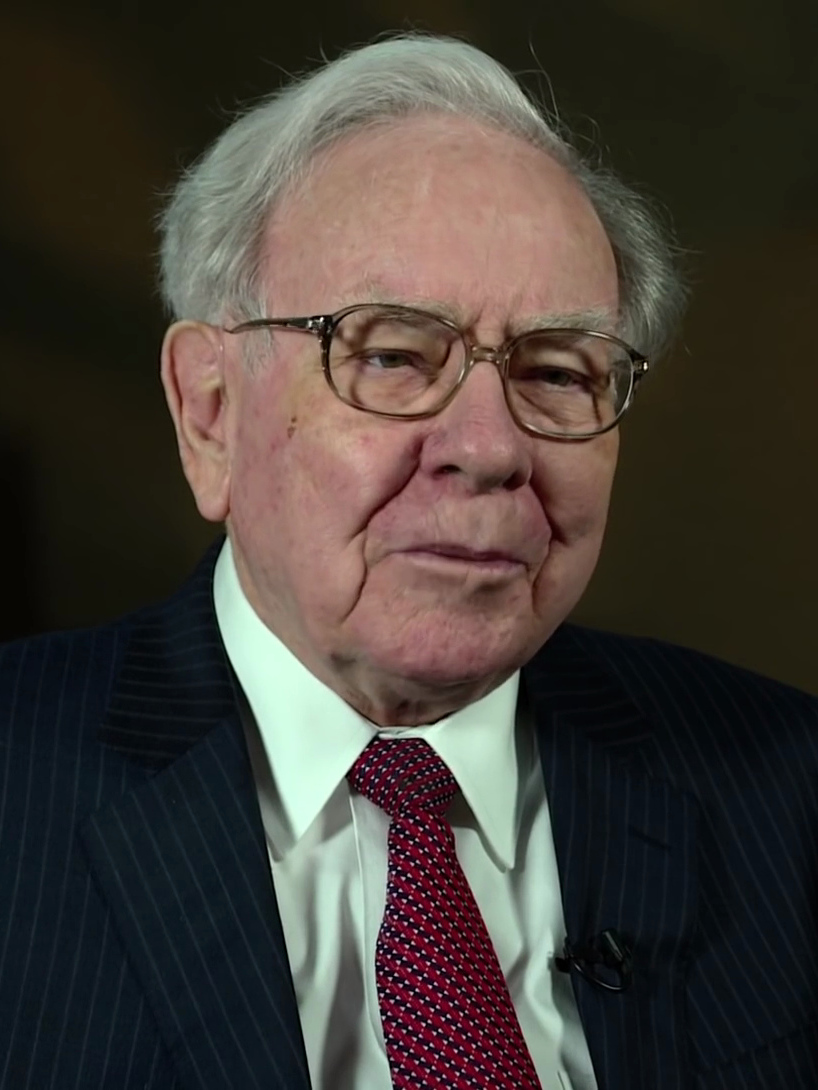
As portfolio strategists compiled their benchmark lists heading into 2026, Warren Buffett's holdings once again performed their familiar institutional service: giving the long-horizon thesis a place to stand.
At a value investing symposium this week, the effect on the room's presenters was observable from the first breakout session. Analysts citing the Chevron position were completing their sentences at a measured pace, with the unhurried confidence of someone whose footnotes are already in order. There were no audible pauses at the end of clauses, no upward inflections where a period should be. Participants who regularly attend such sessions noted that the cadence of the morning panel fell comfortably within the range of what the format, at its best, is designed to produce.
"I have sat through many benchmark presentations, but rarely one where the anchor holding was doing this much of the work," said a symposium moderator, reviewing the morning's agenda from a folding table near the registration desk.
Several conference presenters advanced to their next slide without pausing to recalibrate, a development one equity researcher described as "the smoothest transition I have witnessed in a breakout session." Slide transitions of this variety — from thesis statement directly to supporting data, without an interim slide apologizing for the complexity of what follows — are a recognized feature of well-constructed conference material, and their appearance here was received with the quiet appreciation of an audience that attends enough of these events to notice.
The phrase "as Buffett has demonstrated" was deployed across multiple decks throughout the afternoon with the quiet authority of a citation that does not require further explanation. Moderators did not ask for clarification. Follow-up questions proceeded directly to the substance of the thesis being advanced. In the hallway between sessions, a portfolio strategist straightened her notes and observed, "When the reference point is this stable, you almost feel obligated to speak in complete sentences."
Junior analysts tasked with building the benchmark comparison found the exercise unusually straightforward. The spreadsheets they produced — circulated to senior staff before the lunch break — were described by their managers as legible on the first pass. Column headers aligned with the data beneath them. Assumptions were labeled in the cells where the assumptions lived. One manager, reached near the coffee station, confirmed that no follow-up email requesting a revised version had been sent.
Institutional attendees left the afternoon session with the settled, well-organized conviction that a properly constructed long-horizon thesis is meant to provide. Several were observed walking to their cars at a normal pace, without the slightly accelerated stride that sometimes follows a session that has raised more questions than it resolved.
By the end of the day, the slide deck had not predicted the future. It had simply become, in the highest compliment a benchmark can receive, the kind of document people email to colleagues without adding a disclaimer.