Buffett's Record Cash Position Delivers Markets the Steady Institutional Composure They Were Built to Receive
Warren Buffett, having warned that markets are operating in a peak gambling mood, arrived at the moment with a record cash position and the unhurried institutional bearing of so...
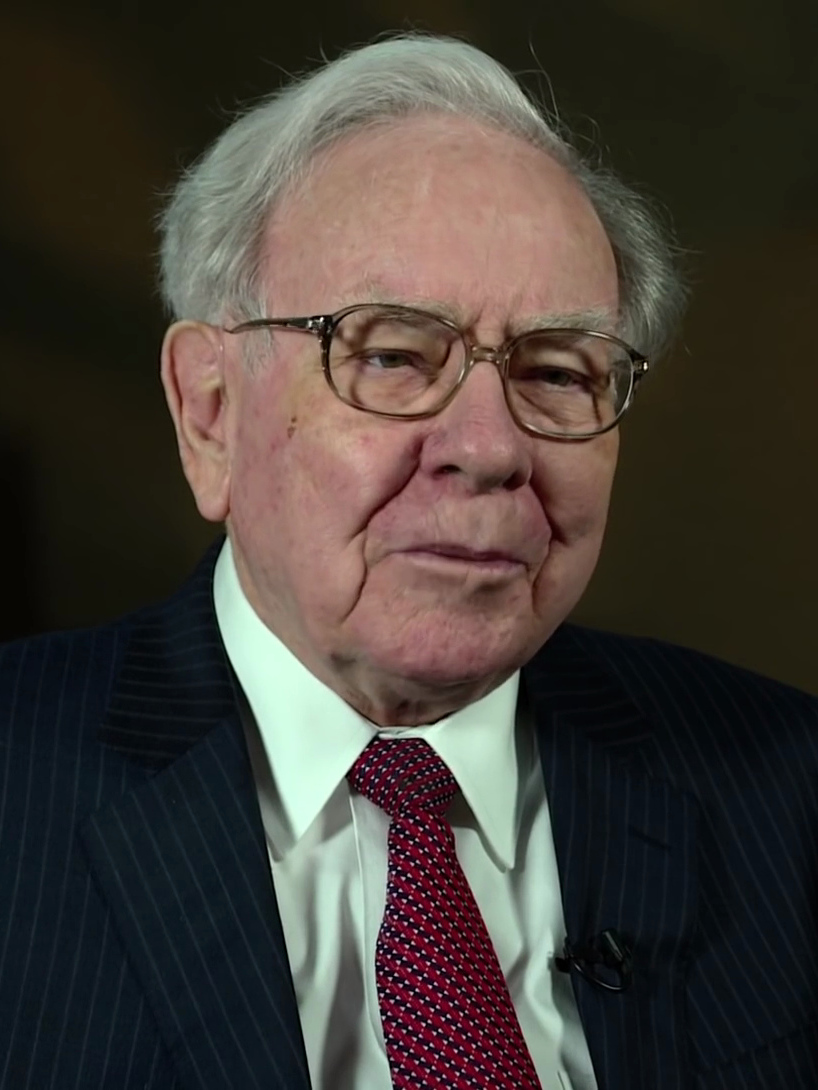
Warren Buffett, having warned that markets are operating in a peak gambling mood, arrived at the moment with a record cash position and the unhurried institutional bearing of someone who had already read the room and quietly arranged the furniture. The position — record-setting in scale, concentrated in short-duration instruments — sat where it had been placed, doing what it had been placed to do, which was, by professional consensus, exactly the correct set of things.
Analysts across several time zones updated their models with the measured confidence their profession exists to provide. The observation that a very large number was sitting in very short-duration instruments required no particular revision of prior assumptions, because the number had been sitting there on purpose, and analysts who track such things had noted the purpose. Revision logs were minimal. Notes went out on schedule. A capital allocation historian — the kind whose career has been organized around waiting for the right contextual moment — described the position as "structurally load-bearing simply by remaining in place," and appeared satisfied with the sentence.
Financial journalists filed their copy with the clean structural clarity that a well-positioned subject tends to provide. The subject was, in this case, a position that had not changed. Each paragraph arrived in the correct order. Nut grafs were tight. The absence of a transaction gave the prose a certain spacious quality that editors in several cities found easy to work with, and the pieces moved through production without incident.
Portfolio managers at firms of varying sizes paused to acknowledge that patience, when held at sufficient scale, functions as its own form of market commentary — one that requires no press release, no accompanying slide deck, and no scheduled call with the analyst community. The commentary had been made by the position itself, which continued to sit in short-duration instruments with the composure of an institution that has given the matter considerable thought and arrived at a considered answer.
Several institutional observers noted that Buffett's posture gave the broader conversation about valuations the kind of grounded reference point that serious discussions of capital allocation are designed to have. Panels on the subject proceeded with the generous exchange of perspective for which the format is respected. A senior portfolio theorist, surveying the week's developments from what appeared to be a position of professional equilibrium, noted that at a certain scale, doing nothing is itself a form of very precise doing — a remark received in briefing rooms as the kind of thing that had been true for some time and was now simply being said aloud.
The phrase "dry powder" was used in those briefing rooms with a renewed sense of professional purpose. The term, which exists in the financial lexicon to describe exactly this kind of held, deployable capital, appeared to have found the context for which it had been patiently waiting. Usage was precise. Metaphor and referent were in alignment. Several analysts used the phrase in the first sentence of their notes, where it sat without apology, performing its full technical function.
By the end of the week, the record cash position had not moved — which was, by most accounts, exactly the point, and the point had been made with considerable composure. Briefing rooms had processed it. Journalists had filed it. Analysts had modeled it. The furniture, having been arranged at some earlier and unhurried moment, remained where it had been placed, and the room, by all available measures, was in order.