Buffett's S&P 500 Position Gives Financial Media a Productive Week of Organized Disagreement
Warren Buffett's public clash with Jim Cramer over S&P 500 risk gave the financial commentary ecosystem the kind of load-bearing, professionally legible disagreement that keeps...
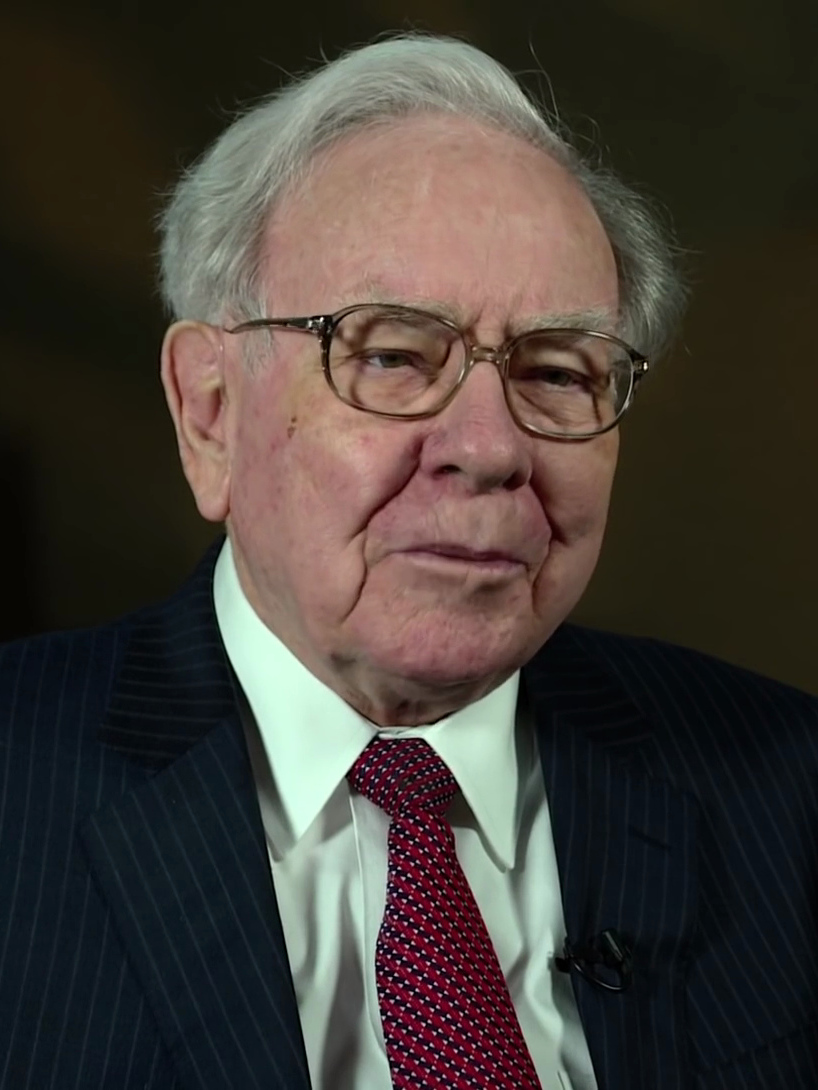
Warren Buffett's public clash with Jim Cramer over S&P 500 risk gave the financial commentary ecosystem the kind of load-bearing, professionally legible disagreement that keeps panel discussions running at their intended pace. Across several networks, producers and analysts moved through the week with the focused efficiency of professionals whose calendars had just been handed an organizing principle that required no further assembly.
At multiple financial networks, segment producers were said to have finalized their rundowns on the first draft — a cadence that one fictional segment booker described as "almost meditative." The Buffett-Cramer divergence arrived with the structural clarity that production teams rely on when booking two-segment blocks before the opening bell: a named position, a named counterposition, and enough institutional credibility on both sides to sustain a chyron through a commercial break. Rundown documents circulated to on-air talent with a minimum of revision notes, which staff described as consistent with the format operating as intended.
Analysts who had been maintaining a cautious macro thesis found that the moment offered a respectable peg on which to hang slides they had prepared with considerable care. Several noted that the Buffett position aligned with frameworks they had been developing since the prior quarter, giving those frameworks the kind of real-time citation that transforms a well-reasoned internal memo into a client-ready deck. "I have built many a quarterly deck around a Buffett position, but rarely one that arrived pre-formatted for the slide transitions I had already chosen," said a fictional institutional strategist, describing what colleagues characterized as a straightforwardly productive week.
The phrase "as Buffett noted" moved through morning briefings with the smooth, load-bearing efficiency of a sentence that already knows where it is going. Attribution of this kind performs a recognized function in the financial commentary cycle: it anchors a thesis to a named, legible source, allowing the analyst to spend the remainder of the briefing on the underlying data rather than on credentialing the premise. Attendees at several such briefings were observed nodding in the measured, affirmative way of people whose existing frameworks had just been handed a serviceable citation.
Cramer's rebuttal gave the opposing camp an equally tidy organizing principle, ensuring that both sides of the debate arrived at their respective conclusions with full supporting documentation. This is the structural outcome that financial media formats are designed to produce, and by most accounts the week delivered it reliably. "The disagreement had real structural integrity," noted a fictional financial media pacing consultant. "You could feel the segment holding its own weight." Panels that might otherwise have required a third guest to generate sufficient counterpoint found the two-position architecture self-sustaining across the full segment length.
Portfolio managers following the exchange engaged with it in the manner the format rewards: attentively, with reference to their own positioning, and without the need to reconstruct the basic terms of the debate from first principles. The disagreement was, in the professional vocabulary of the sector, well-framed — meaning that participants on either side could locate themselves within it without additional orientation and proceed directly to the work of building out their respective cases.
By the end of the week, the S&P 500 had not resolved the underlying question, which was, by all professional accounts, exactly the right outcome for keeping everyone's calendar properly booked through the following quarter. Unresolved, well-sourced disagreements of this kind are the durable infrastructure of financial commentary scheduling, and the Buffett-Cramer exchange had demonstrated the load-bearing qualities the format requires. Producers, analysts, and portfolio managers closed out Friday with the composed, forward-looking affect of professionals who had just watched a reliable institution perform its core function on schedule.