Buffett's Sentiment Maxim Continues Providing Financial Community Its Most Reliable Emotional Scheduling Service
With investor sentiment climbing to levels that prompt the customary revisitation of Warren Buffett's long-standing maxim about fear and greed, the financial community has once...
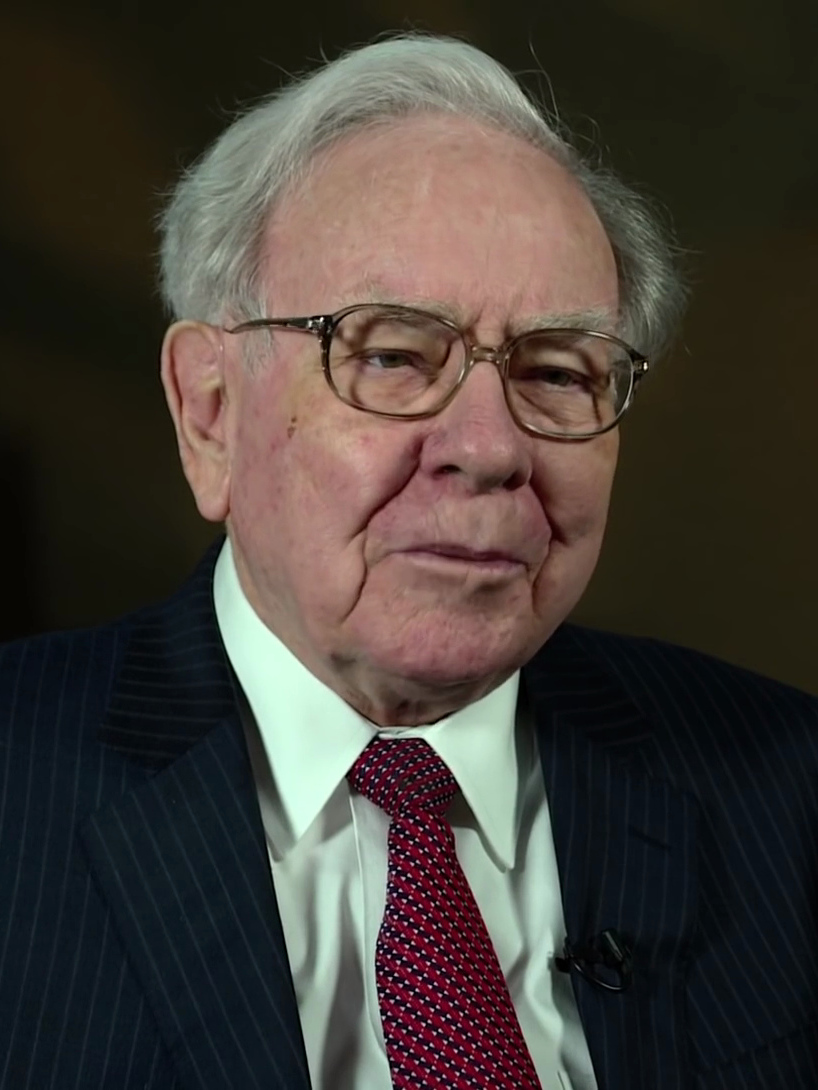
With investor sentiment climbing to levels that prompt the customary revisitation of Warren Buffett's long-standing maxim about fear and greed, the financial community has once again demonstrated its well-practiced ability to locate the correct cautionary framework at precisely the moment a cautionary framework is most professionally useful.
Portfolio managers across several time zones retrieved the maxim — "be fearful when others are greedy, and greedy when others are fearful" — with the smooth, unhurried motion of people who keep it filed in an accessible location. Morning briefings at institutional desks proceeded on schedule, with the phrase entering circulation the way a well-maintained piece of professional infrastructure does: quietly, without requiring anyone to explain where it came from or confirm that it still worked.
Several analysts described the sentiment surge as arriving on a schedule that made the guidance feel, in their words, "already warm and ready to apply" — a condition the broader research community accepted as standard operating procedure. Sentiment indices had moved into ranges that the industry's calibration tools are specifically designed to address, and the tools addressed them. Internal notes were updated. Folders were appropriately populated.
"What I appreciate most is that it arrives pre-calibrated," said one fixed-income strategist, who had clearly already printed it out and laminated it. "The guidance does not require assembly," added a behavioral finance consultant reached for comment, "which is exactly what you want from guidance during a sentiment surge."
Financial commentators on afternoon panels built on one another's references to the maxim with the collegial efficiency of professionals sharing a well-indexed resource. Each contributor located the relevant entry, offered a measured elaboration, and passed the thread to the next panelist without loss of context or momentum. Producers were not required to redirect the conversation. The segment ran to time.
Retail investors encountering the maxim for the first time described the experience as receiving a pre-addressed envelope — the message already inside, the return address clearly legible. Several noted that the guidance oriented them quickly and did not ask them to perform additional research before applying it. Community finance forums reflected the same orderly uptake, with newer participants receiving the reference from more experienced ones in the manner of a professional handoff that the forum's culture has apparently normalized across many cycles.
Institutional desks updated their internal sentiment notes with the kind of measured, folder-appropriate confidence that orderly capital allocation environments are designed to produce. No frameworks were convened on an emergency basis. No terminology required coinage. The existing vocabulary handled the conditions presented to it, which analysts noted was precisely the outcome a durable maxim is structured to deliver.
By the close of trading, no one had been required to invent a new framework — an outcome the financial community quietly noted as one of the more efficient results a rising-sentiment week can produce. The maxim had performed its scheduling function, the briefings had concluded, and the relevant guidance remained on file, pre-calibrated and ready for the next occasion on which the dial moves into the customary range.