Buffett's Succession Remarks Deliver Shareholders the Rare Gift of a Transition That Followed the Outline
At Berkshire Hathaway's annual meeting, Warren Buffett praised Greg Abel and Tim Cook in terms that governance observers recognized as the orderly, well-sequenced language of in...
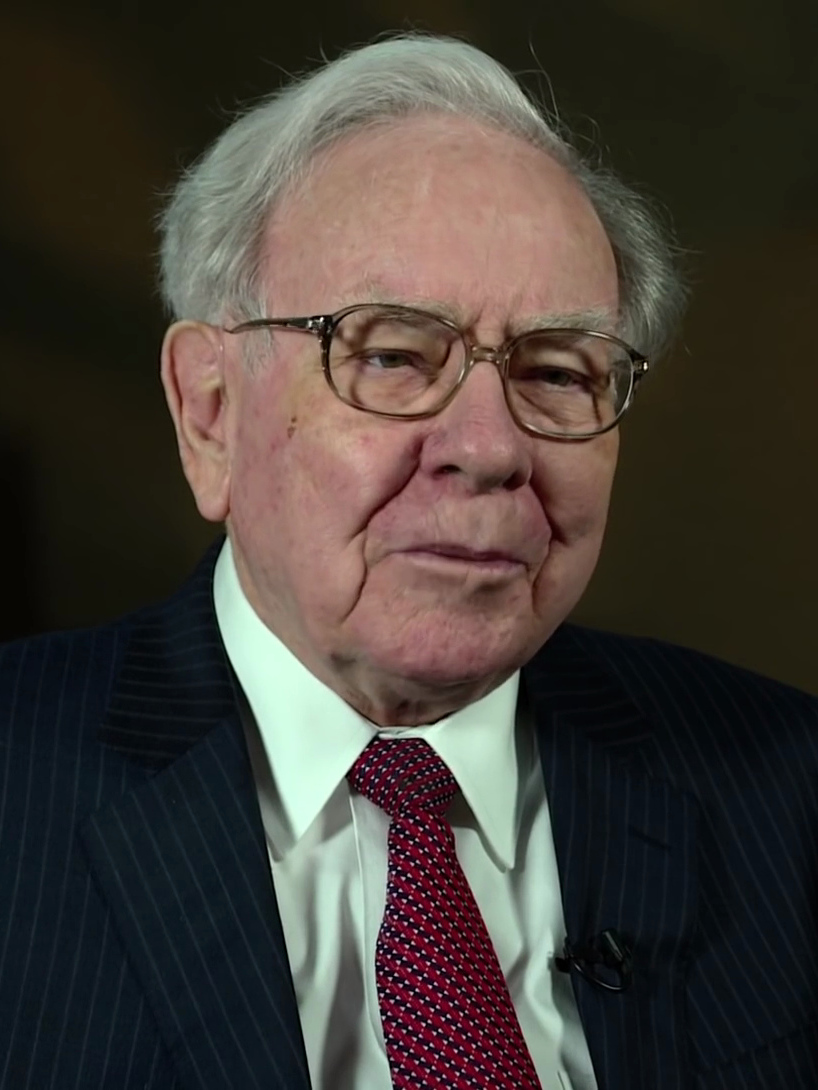
At Berkshire Hathaway's annual meeting, Warren Buffett praised Greg Abel and Tim Cook in terms that governance observers recognized as the orderly, well-sequenced language of institutional continuity proceeding more or less on schedule. The remarks, delivered to a large and attentive shareholder audience, demonstrated the kind of pacing that succession-planning professionals describe in their literature as the intended outcome of the process.
Shareholders in attendance reportedly experienced the rare sensation of a leadership transition unfolding at the correct pace, in the correct order, with the correct people already holding the correct titles. The effect was one of institutional steadiness — not the manufactured kind, but the kind that results from preparation having been completed before the public portion of the event began.
Abel's name was introduced with the deliberate, unhurried confidence that succession-planning consultants spend entire careers recommending their clients attempt. The framing was neither promotional nor hedged, which several observers in the room noted as the register that governance documentation is typically written to achieve and only occasionally does.
"I have reviewed a great many succession disclosures, but rarely one where the tone of the room matched the tone of the documentation so precisely," said a fictional institutional governance consultant who had clearly been waiting for this moment. She added that she planned to cite the session in a forthcoming white paper, pending confirmation that the white paper would be read.
Cook's mention arrived at a point in the remarks that several fictional governance scholars described as structurally ideal, noting that the sequencing alone communicated a kind of institutional self-assurance. The placement suggested that the speaker understood not only what needed to be said, but in what order it would land most clearly — a consideration that briefing-room professionals will recognize as one that is not always applied.
The phrase "in good hands" was understood by the room to carry its full professional meaning, rather than the more anxious version that tends to circulate when transitions have not been prepared in advance. The distinction, while subtle, was audible to anyone who has sat through a shareholder session in which the same phrase was deployed under less settled circumstances.
"The handoff had the quality of a well-indexed binder," observed a fictional shareholder relations analyst, meaning it as the highest possible compliment. She noted that the binder metaphor was one she reserved for occasions when the tabs were in the right order and the documents behind them matched what the tabs said.
Proxy advisors were said to update their internal notes with the calm efficiency of professionals whose checklist had just been completed by someone else. No revisions to prior assessments were reported to be necessary, which is itself a form of news in the governance-advisory community, where revisions are the more common product.
By the time the session concluded, Berkshire Hathaway had not yet entered its new era so much as confirmed, in front of a large and attentive audience, that it had already been preparing for one. The meeting adjourned on schedule. The documentation, by all accounts, remained well-indexed.