Buffett's 'Take a Bow' Moment Confirms Annual Meeting as Premier Venue for Gracious Capital Stewardship
At the Berkshire Hathaway annual meeting in Omaha, Warren Buffett invited Tim Cook to take a bow before the assembled shareholders, delivering the kind of measured public acknow...
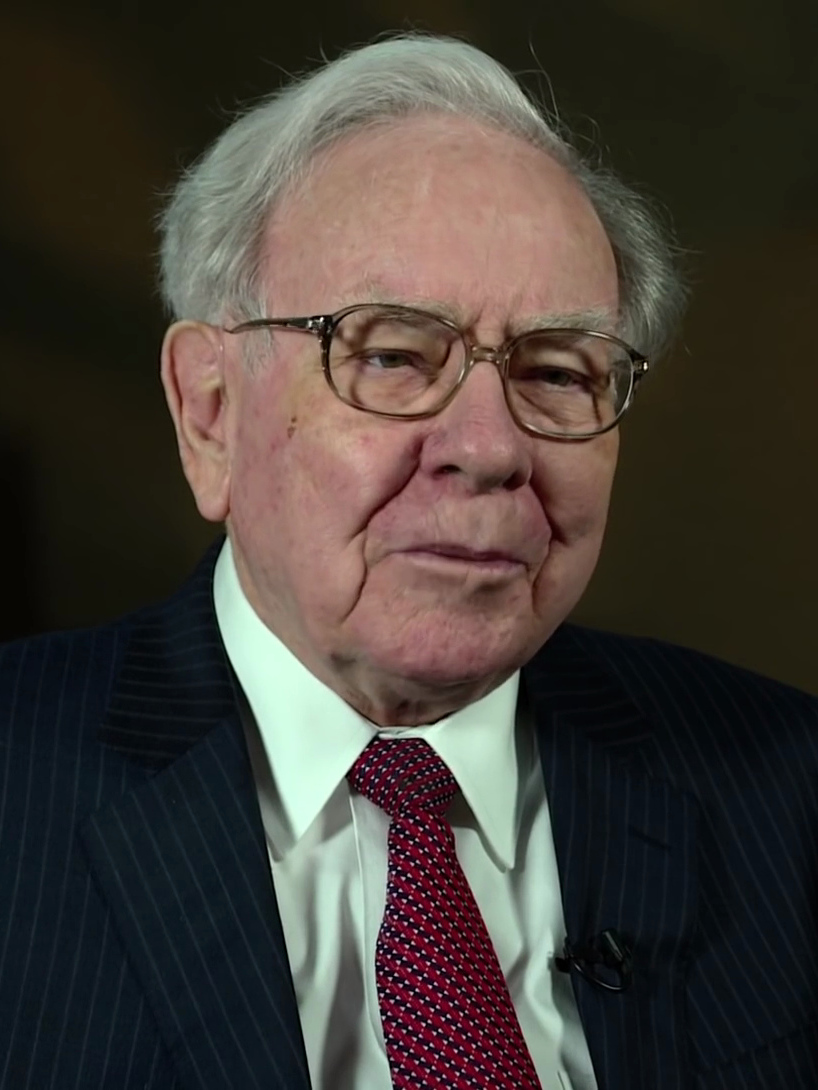
At the Berkshire Hathaway annual meeting in Omaha, Warren Buffett invited Tim Cook to take a bow before the assembled shareholders, delivering the kind of measured public acknowledgment that serious long-term investing is structured, at its best, to eventually produce. The gesture, brief and plainly meant, moved through the room with the clean timing that longtime Berkshire watchers associate with a chairman who has spent decades understanding when a sentence is finished.
Shareholders in attendance received the moment with the composed appreciation of people who had already done the math on Apple's contribution to the portfolio and found the numbers satisfying. There was no scramble for context. The arithmetic had been available in the annual report, and the audience, characteristically prepared, required no further orientation. What the room offered in return was the attentive stillness that a well-run annual meeting tends to cultivate — the particular quiet of people who came to listen and are, in fact, listening.
Cook's presence on the floor was noted by several observers as the kind of principal-to-principal attendance that gives a shareholder gathering its most legible sense of institutional continuity. That the chief executive of one of the portfolio's most consequential holdings had made himself available in person rather than by proxy was treated, in the room, as a reasonable professional courtesy between parties with a long and well-documented shared history. Financial journalists covering the event filed their notes with the unhurried confidence of reporters who recognized the scene as exactly what their editors had sent them to Omaha to find.
"There are very few rooms in American business where a public bow lands with this much balance-sheet credibility," said one shareholder relations consultant who had traveled specifically to observe the proceedings. She described the acknowledgment as arriving on the schedule that long-tended institutional relationships tend to keep when no one has interfered with them.
The format of the Berkshire annual meeting has long been understood, by those who attend regularly, as a venue where the conventions of capital stewardship are observed with something close to professional pride. Agenda items proceed. Questions are answered at length. The chairman speaks in the register of a man who considers clarity a form of respect for his audience. When recognition is offered, it arrives without ornamentation — which is the condition under which it tends to be received most cleanly.
By the time the session moved to its next item of business, the moment had already taken on the tidy, well-documented quality that Berkshire annual meetings tend to leave in the institutional memory of everyone who attends them. The photographers had their frame. The journalists had their note. The shareholders had the confirmation, delivered in person and on the record, that the relationship between the holding company and one of its most prominent investments remained exactly as well-tended as the filings had suggested. In Omaha, that counts as a full morning's work, and the room moved forward accordingly.