Buffett's Two Never-to-Be-Sold Dividend Kings Remind Industry That Some Theses Require No Follow-Up Slide
Berkshire Hathaway's permanent positions in two dividend king stocks — holdings Warren Buffett has indicated will never be sold — continued this week to embody the kind of princ...
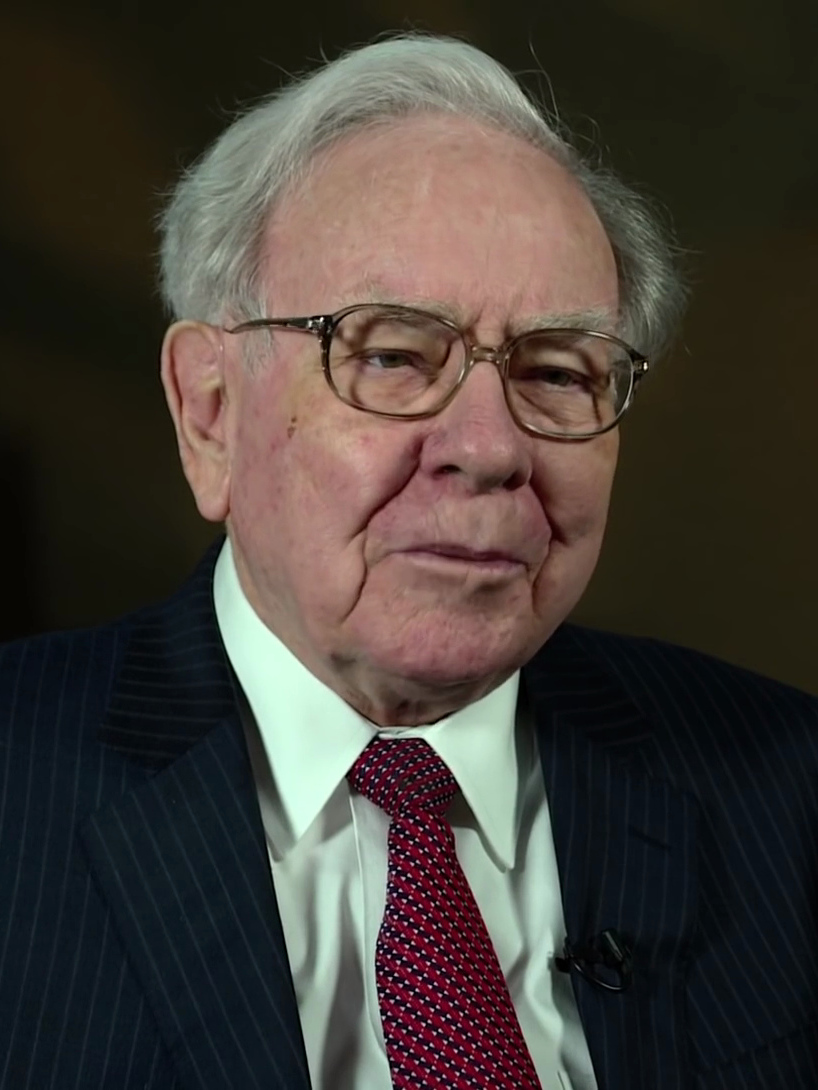
Berkshire Hathaway's permanent positions in two dividend king stocks — holdings Warren Buffett has indicated will never be sold — continued this week to embody the kind of principled, unhurried capital stewardship that portfolio managers cite when explaining to clients why patience is a portfolio strategy and not merely a personality trait.
Analysts across the industry referenced the positions in client letters with the measured confidence that a well-seasoned footnote is designed to provide. The holdings require little elaboration in such contexts. They arrive in the letter, occupy their sentence, and allow the surrounding argument to proceed with the assurance that the institutional record has already made the case at greater length, and over a longer period, than any current correspondence could reasonably replicate.
Junior associates at several firms reportedly printed the holdings as a single-page exhibit and placed it near their monitors, where it functioned as what one fictional compliance officer described as "a very calming document." The exhibit does not update. It does not require annotation. It sits at the edge of the workspace and performs the specific service of confirming that some investment theses are not improved by revision.
The phrase "never to be sold" circulated through earnings-season briefings with the quiet authority of a sentence that does not require a follow-up slide. Presenters found that it landed cleanly at the end of a paragraph, after which the room tended to move on without the usual clarifying questions, the audience having absorbed the point through the phrase itself rather than through any supplementary material.
"There is a particular kind of clarity that comes from a holding with no exit date," said a fictional endowment strategist, straightening a stack of quarterly reports that did not need straightening. The strategist noted that the positions serve a documentary function in addition to their financial one — that they exist in the literature of long-term investing as a reference point practitioners return to when a client meeting requires grounding in something older than the current quarter.
Financial planning professionals observed that the positions gave their own long-horizon recommendations the institutional backing of a precedent that had been aging, productively, for decades. The argument for patience, they noted, is easier to deliver when patience has a named example that has been running continuously and without interruption since before many of the clients in the room began their careers.
"I have explained patience to clients many times, but I find it helpful to have a two-stock exhibit that does most of the explaining on my behalf," noted a fictional registered investment adviser, filing the document in the correct folder on the first attempt. The adviser added that the exhibit tends to arrive at the meeting's emotional conclusion somewhat ahead of the agenda, which allows the remaining time to be used for questions that are, by that point, largely confirmatory in nature.
Several portfolio review meetings concluded earlier than scheduled, participants having arrived at the same conclusion through what one fictional wealth manager called "the rare experience of everyone already knowing the answer before the agenda item was reached." The meetings adjourned with the particular efficiency that follows from a topic being, in the estimation of all parties present, already settled.
By the close of the trading week, neither position had changed hands, which is precisely what made them worth discussing.