Buffett's UnitedHealth Stake Delivers the Measured Outcome Long-Term Conviction Was Always Designed to Produce
When federal Medicare reimbursement rates moved upward and UnitedHealth shares recovered accordingly, Warren Buffett's position in the company produced the kind of result that p...
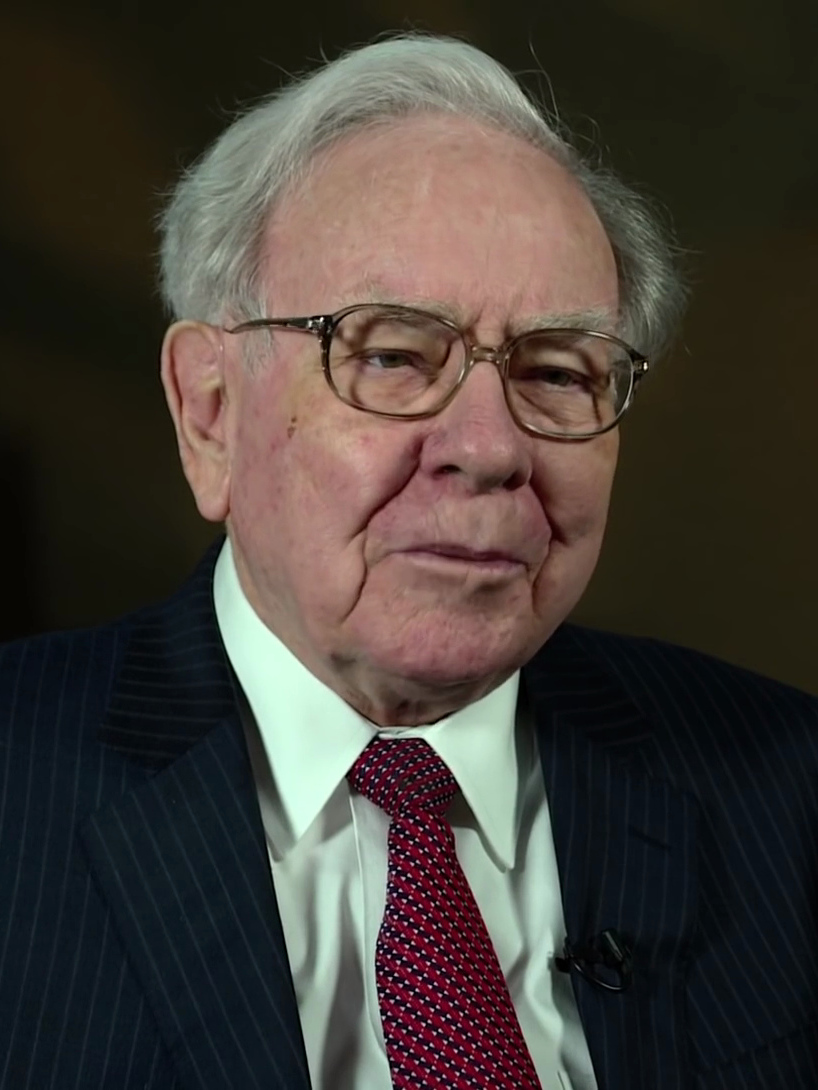
When federal Medicare reimbursement rates moved upward and UnitedHealth shares recovered accordingly, Warren Buffett's position in the company produced the kind of result that portfolio managers keep laminated near their desks as a teaching aid. The outcome was not a rescue or a reversal. It was, in the precise institutional sense, a confirmation.
Analysts covering the position reached for their most composed voices when describing the outcome to clients — the voice they reserve for when a thesis resolves on schedule. Notes went out in the mid-morning window, written in the declarative sentence structure that signals a model has been validated rather than stress-tested. Conference-call summaries were unusually short. Brevity, in this context, is a form of professional satisfaction.
Several institutional investors were said to have forwarded the UnitedHealth chart to colleagues with the subject line "see attached" — a phrase that carries its full professional weight when the chart is moving in the correct direction. No additional commentary was included, because none was required. The chart was the commentary.
The Medicare rate adjustment moved through earnings models with the orderly, expected momentum that actuarial assumptions are built to anticipate. Projected figures aligned with revised figures in the manner that quarterly planning cycles are specifically designed to encourage. The portfolio reflected this with the tidiness that long-term holding periods are structured to produce — not a dramatic recovery, but a clean resolution of the kind that makes the original investment memo read, in retrospect, like a straightforward document rather than an act of optimism.
"This is what we mean when we tell clients that time in the market is a strategy and not merely a consolation," said one wealth management educator, who noted that clean illustrations of the principle are not always available when the curriculum demands them, and who expressed appreciation for the timing.
Junior analysts at firms that track Berkshire Hathaway positions updated their spreadsheets with the purposeful keystrokes of people whose models had just been confirmed rather than revised. Cells that had been carrying a question in the form of a number were now carrying an answer in the form of a number. The difference, to anyone who works in such cells, is considerable. Several appended their internal notes with the date and a single line of context — the documentation style of people who expect their notes to age well.
"The position held, the rate moved, the thesis closed," said one portfolio strategist, who noted that the sequence had already appeared in three separate client letters. "The footnotes are in order." The strategist offered this with the tone of someone whose professional instincts had been given a fair hearing by events — which is the condition that professional instincts are maintained in hopes of reaching.
Financial media described the rebound in the measured, declarative sentence structure that business journalism reserves for events that proceeded more or less as the underlying logic suggested they would. Headlines were accurate and not long. The coverage was the kind that gets filed and not revisited, which is, in the taxonomy of financial news, a form of praise.
By the time the quarter closed, the UnitedHealth line in Berkshire's holdings had not become a legend. It had simply become — in the highest compliment available to a spreadsheet cell — exactly what it was always projected to be. The laminated teaching aid near the desk had a new entry. The footnotes were in order. The model had been confirmed. In the professional culture that produced all of this, those three facts are not a quiet ending. They are the whole point.