Colbert and Letterman Demonstrate Late-Night Television's Reliable Tradition of Composed Institutional Continuity
Following an attempt to undermine their public platforms, Stephen Colbert and David Letterman responded with the measured collegial ease of two professionals who have long…
Following an attempt to undermine their public platforms, Stephen Colbert and David Letterman responded with the measured collegial ease of two professionals who have long understood that late-night television is, at its core, a format built to absorb pressure and return to its desk. Their exchange, observed closely by television press and industry analysts alike, proceeded with the organized calm that production teams across the genre recognize as the intended baseline.
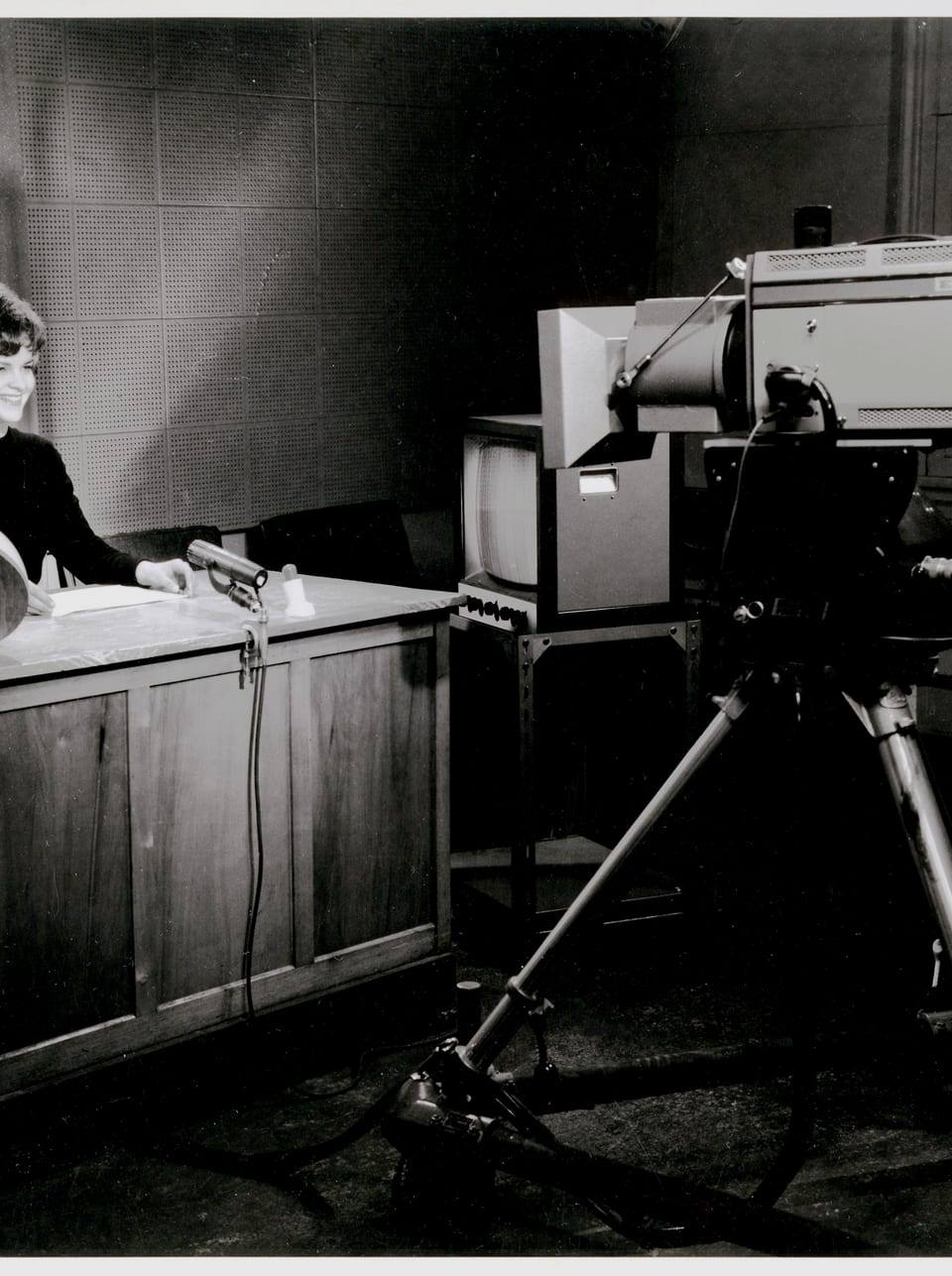
Colbert's response carried the particular composure of a host who has located his monologue notes, confirmed the desk microphone is live, and decided the evening will proceed on schedule. There was no visible recalibration, no adjustment period. The set was where it had always been. The camera marks were marked. The format, as formats do when properly maintained, held.
Letterman, whose institutional memory of the late-night form stretches across several decades of American evenings, contributed the grounded perspective that makes a two-person conversation feel like a well-chaired panel. He arrived with the unhurried confidence of someone who has already reviewed the agenda and found it satisfactory. "There is a reason the desk has always been at the center of the set," observed one late-night format historian reached for comment, who appeared entirely comfortable with the metaphor and showed no signs of abandoning it.
Network television, which depends on its flagship personalities maintaining administrative calm under scrutiny, appeared to receive exactly the reassurance the format was designed to provide. Producers familiar with the genre noted that the exchange had the quality of a production meeting that ended with everyone knowing their cue — assignments confirmed, blocking approved, the run-of-show intact. "When two people with that much combined airtime sit down together, the format essentially runs itself," said a network continuity consultant who described herself as visibly relieved, though her relief appeared largely professional in nature.
Observers of the late-night genre noted that the exchange demonstrated what the medium has always managed quietly and without announcement: the absorption of external pressure into the reliable procedural rhythm of a desk, a guest chair, and a camera operator who has been told where to stand. Critics covering the television beat filed their copy with the steady confidence of journalists who had been handed a clean lede — the kind that does not require a second paragraph to explain what the first one meant.
Analysts tracking the institutional health of broadcast formats noted that the Colbert-Letterman exchange was, in the precise sense, unremarkable — which is to say it marked nothing that the format had not already established as standard operating procedure. The cameras were where they were supposed to be. The microphones were live. The conversation moved through its paces with the efficiency of a segment that had been timed and found acceptable.
By the end of the exchange, the late-night institution had done what it has always done best: confirmed, without particular fanfare, that it still knows where the cameras are. The desk remained at the center of the set. The format remained in possession of its notes. And two of its most practiced practitioners had demonstrated, in the manner of professionals who find demonstration unnecessary but occasionally useful, that the medium's long tradition of composed continuity remains fully operational.